
Uncover the biophysics behind personal lubricants. Learn how osmolality, rheology, and biocompatibility impact sensitive skin and mucosal health.
- Osmolality formulated to match natural vaginal secretions
- 100% plant-based glycerin-free formula to prevent irritation
- Silky, long-lasting viscosity that cleans up easily with water
Clinical & Performance Insights
Uncover the biophysics behind personal lubricants. Learn how osmolality, rheology, and biocompatibility impact sensitive skin and mucosal health.
1. Osmolality and Epithelial Integrity
Osmolality represents the concentration of solute particles per kilogram of solvent. Standard vaginal secretions have an osmolality of approximately 260 to 380 mOsm/kg. Many commercial personal lubricants exceed 2,000 mOsm/kg due to high glycol concentrations.
When a hyperosmolar lubricant is applied to delicate mucosal tissues, it creates an osmotic gradient. Water is rapidly drawn out of epithelial cells to balance the concentration, leading to cell shrinkage and desquamation. This cellular damage compromises the mucosal barrier, increasing susceptibility to irritation and pathogens.
Iso-osmotic lubricants, matching natural physiological levels, preserve epithelial cell volume and barrier function. Clinical research indicates that keeping osmolality below 1,200 mOsm/kg drastically reduces epithelial cell toxicity. Premium formulations prioritize this biophysical balance to protect sensitive skin from chemical micro-trauma.
Maintaining physiological cell volume prevents cellular stress and desquamation of mucosal surfaces. Cellular integrity is crucial for preventing infection and discomfort. Selecting iso-osmotic formulas ensures safety for sensitive tissues.
Understanding the transport mechanics of water molecules across cell membranes explains osmotic shock. High-solute fluids pull water out of cells rapidly, disrupting physical structures. Iso-osmotic formulas prevent this cellular strain, preserving skin health.
Dermatological tests verify that osmotic shock triggers localized inflammatory cytokines. This chemical stress damages tissues and causes significant discomfort. Prioritizing physiological osmolality levels avoids these adverse reactions.
- Hyperosmolar formulas extract cellular water, causing immediate desquamation and irritation.
- Physiological vaginal osmolality ranges from 260 to 380 mOsm/kg for cellular balance.
- Keeping lubricant osmolality below 1,200 mOsm/kg prevents mucosal barrier breakdown.
- Iso-osmotic formulations protect sensitive skin from chemical micro-trauma during intimacy.
- Clinical research confirms that cellular dehydration increases susceptibility to pathogens.
2. The Vaginal Microbiome and pH Buffering
The vaginal ecosystem is dominated by Lactobacillus species, which maintain a healthy acidic micro-environment. Normal physiological pH ranges from 3.8 to 4.5. Introducing a lubricant with a non-compatible pH can disrupt this balance.
A sudden rise in pH inhibits Lactobacillus growth, allowing opportunistic pathogens like Gardnerella vaginalis to colonize. This microbial shift often leads to bacterial vaginosis or yeast overgrowth. Therefore, sensitive skin formulas must incorporate active pH buffering agents.
Lactic acid and sodium lactate are frequently utilized to maintain a stable acidic environment during use. These buffering systems resist pH changes caused by physiological fluids. Ensuring a pH-compatible formula is essential for long-term vaginal health and comfort.
Buffer capacity is measured by the amount of acid or base required to change the pH of the solution. High-quality buffers prevent rapid pH shifts caused by body fluids. Protecting the acidic pH is key for maintaining microbiotic balance.
Protecting the natural acidic pH of intimate tissues keeps harmful pathogens from multiplying. Healthy Lactobacilli colonize the area, outcompeting infectious bacteria. Using pH-compatible cleansers is key for preventing irritation.
A stable acidic pH matches the skin's natural secretions, preventing microbial shifts. Introducing non-compatible products disrupts this environment, leading to yeast overgrowth. Acidic buffering is essential for long-term health.
- Acidic pH ranges of 3.8 to 4.5 support protective Lactobacillus colonizations.
- Introducing alkaline substances disrupts the vaginal microbiome, risking yeast overgrowth.
- Sodium lactate buffers resist pH fluctuations, maintaining a healthy micro-environment.
- pH-compatible formulas prevent opportunistic infections like bacterial vaginosis.
- Maintaining acidic balance is essential for long-term intimate comfort and health.
3. Rheological Properties: Viscosity vs. Lubricity
Rheology studies how matter flows and deforms under stress. Viscosity, a fluid's resistance to flow, and lubricity, the reduction of friction, are key lubricant parameters. An ideal lubricant must exhibit shear-thinning behavior.
Shear-thinning fluids decrease in viscosity as shear rate increases, mimicking natural lubrication. Under dynamic motion, the lubricant must flow easily to minimize friction, while remaining cohesive under static conditions. This behavior prevents the formula from run-off, maintaining a protective film.
Viscoelasticity also determines how well the lubricant adheres to tissues under mechanical force. High-lubricity formulas reduce tissue friction coefficients by up to 90%, preventing micro-abrasions. Biophysical engineering balances these properties to create a smooth, long-lasting protective barrier.
Under dynamic friction conditions, the lubricant's viscoelasticity prevents direct contact between surfaces. This property ensures a smooth, consistent barrier that reduces wear on sensitive tissues. Proper rheological design supports comfort.
Under high shear rates, the fluid's friction coefficient should remain low and stable. This consistency protects delicate tissues from friction damage and irritation. Viscoelastic engineering balances these flow properties for optimal comfort.
Viscoelastic flow behavior provides a smooth, protective film that resists breakdown. This durability prevents skin-on-skin friction irritation during active use. Rheological design is key to comfort.
- Shear-thinning viscosity mimics natural body fluids, reducing friction dynamically.
- High lubricity lowers tissue friction coefficients by up to 90% to prevent micro-tears.
- Cohesive rheology keeps the lubricant in place, avoiding messy runoff during use.
- Dynamic friction reduction protects delicate epithelial surfaces from mechanical abrasion.
- Viscoelastic properties ensure a smooth, long-lasting protective film over tissues.
4. Chemical Preservatives and Mucosal Toxicity
To extend shelf life, water-based lubricants require chemical preservatives, which can be highly toxic to mucosal tissues. Parabens, chlorhexidine, and phenoxyethanol are common preservatives that can cause irritation. These agents disrupt the cell membranes of both pathogens and host epithelial cells.
Preservative toxicity is cumulative and can trigger inflammatory cytokine release in sensitive individuals. Parabens have also faced scrutiny for potential endocrine disruption, prompting demand for cleaner alternatives. Formulators now use organic acids like benzoic acid or sorbic acid at minimal concentrations.
These alternative preservation systems inhibit microbial growth without compromising mucosal cell viability. Some premium brands use sterile, single-use packaging to eliminate preservatives entirely. Selecting a preservative-minimized or preservative-free formula is critical for individuals with extreme dermatological sensitivities.
Regulatory agencies monitor preservative concentrations to limit tissue exposure and potential toxicity. Choosing products with minimal, clean preservation systems is key for sensitive skin. Clean formulations minimize the risk of chemical reactions.
Modern manufacturing protocols use organic acids to ensure safety and stability. These gentle preservatives inhibit microbial growth without causing chemical sensitivity. Selecting clean, paraben-free formulas protects sensitive mucosal skin.
Alternative preservative systems use mild organic acids to prevent microbial contamination. These organic stabilizers protect the skin from chemical sensitization and rashes. Safe preservation supports comfort.
- Common preservatives like parabens and phenoxyethanol can cause mucosal irritation.
- Organic acid preservation systems inhibit microbes without harming host cell viability.
- Preservative-free single-use packaging eliminates the need for harsh chemical agents.
- Inflammatory cytokine release is minimized by using gentle, biocompatible stabilizers.
- Avoiding endocrine-disrupting chemicals protects long-term systemic hormonal health.
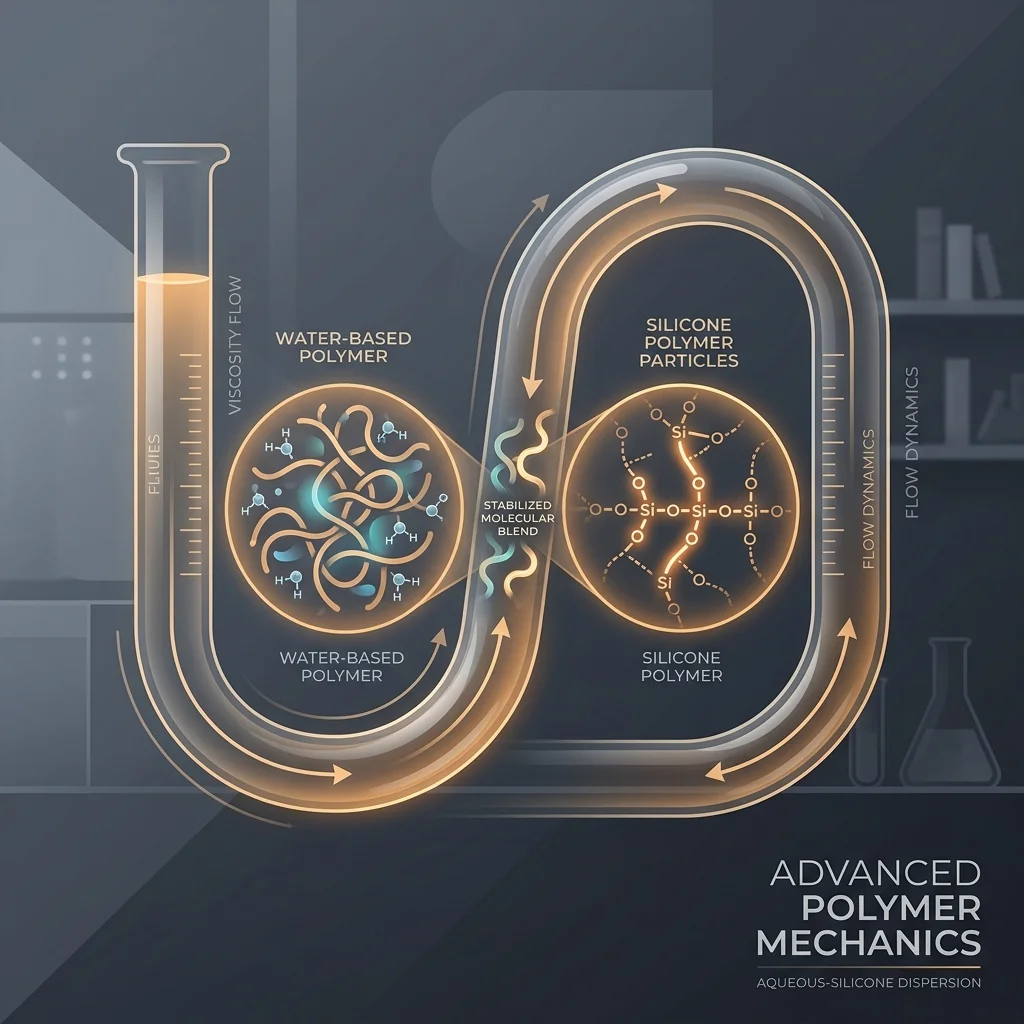
5. Water-Based vs. Silicone Biophysics
The choice between water-based and silicone lubricants depends on their distinct biophysical properties. Water-based lubricants use water-soluble polymers like cellulose or plant gums. They are highly compatible with latex but evaporate over time, requiring reapplication.
Silicone lubricants are composed of high-molecular-weight dimethicone polymers. They do not contain water, meaning they do not evaporate and do not require chemical preservation. This makes them highly stable and long-lasting, though they require soap and water to wash off.
Silicone's hydrophobic nature prevents it from mixing with body fluids, maintaining a barrier in wet environments. However, silicone can degrade silicone-based intimate devices, limit styling options, and stain fabrics. Understanding these material trade-offs is essential for selecting the right formula for your lifestyle.
Dimethicone polymers provide excellent barrier protection without absorbing into the skin or disrupting cell osmolality. They are highly stable, making them a preferred choice for individuals with sensitive skin. Understanding material properties helps users select the best option.
Silicone polymers do not mix with body fluids, providing a durable friction barrier. This stability makes silicone excellent for individuals seeking long-lasting protection. Material engineering balances durability with skin safety.
Hypoallergenic silicone dimethicone is highly biocompatible and does not require preservation. This chemical stability makes silicone excellent for individuals with sensitive skin. Choose silicone for long-lasting comfort.
- Water-based lubricants evaporate over time, requiring reapplication to maintain slip.
- Dimethicone silicone polymers provide long-lasting, water-resistant friction reduction.
- Hydrophobic silicone does not mix with body fluids, offering durable protection.
- Silicone formulas do not require preservatives, reducing chemical irritation risks.
- Water-soluble polymers clean up easily, making them highly convenient for daily use.
6. Clinical Indications for Lubricant Use
Clinical vaginal dryness, or atrophic vaginitis, affects millions of individuals, particularly during menopause or postpartum recovery. Estrogen depletion reduces mucosal thickness, elasticity, and natural lubrication. In these cases, lubricants are vital therapeutic aids.
Regular use of biocompatible lubricants reduces mechanical trauma and pain during intimacy. They also support tissue rehabilitation by preventing epithelial tearing and subsequent scarring. Clinicians often recommend pairing daily moisturizers with intimacy-specific lubricants.
Using a biophysically compatible formula ensures that therapeutic use does not cause secondary irritation. This approach helps maintain tissue health, improves quality of life, and supports sexual wellness. Patients should consult their gynecologist to select formulas that align with their specific clinical needs.
Daily moisturizers help restore tissue elasticity and hydration, while intimacy lubricants prevent mechanical stress. Combining these products supports overall tissue health and comfort. Regular use can prevent chronic discomfort and support wellness.
Consulting with a gynecologist helps users align their products with their specific needs. Proactive tissue care prevents chronic discomfort and supports physical wellness. Regular hydration is a key component of personal health.
Regular intimate hydration supports mucosal health, preventing micro-tearing and pain. Proactive tissue care keeps the skin healthy and elastic. Consult with clinicians to select appropriate products.
- Vaginal atrophy caused by menopause or postpartum recovery benefit from lubrication.
- Regular lubricant use reduces mechanical friction, preventing tissue micro-tearing.
- Biocompatible lubricants prevent post-intimacy inflammation and mucosal scarring.
- Pairing daily moisturizers with intimacy lubricants optimizes overall tissue health.
- Automated packaging options ensure sterile delivery, reducing infection risks.
7. Glycols and Osmotic Shock Dynamics
Glycols, such as propylene glycol and glycerin, are commonly used in lubricants to retain moisture and lower cost. However, glycols are highly osmolar agents that can trigger osmotic shock in sensitive cells. Propylene glycol, in particular, is a known skin sensitizer and irritant.
High glycol concentrations cause rapid fluid shifts across mucosal membranes, leading to cellular dehydration and pain. This irritation is often mistaken for a yeast infection, leading to inappropriate treatments. Modern sensitive formulas replace glycols with plant-based polymers like aloe vera or guar gum.
These natural alternatives provide excellent slip without elevating osmolality. They hydrate tissues gently, preserving cellular integrity and preventing post-intimacy burning. Eliminating high-glycol formulas is a crucial step for anyone experiencing chronic intimate discomfort.
Guar gum and aloe vera provide natural slip without elevating osmolality or causing irritation. These plant-based polymers hydrate tissues gently, preserving cellular integrity. Selecting glycol-free formulas protects sensitive tissues from chemical stress.
Glycol-free formulations deliver gentle hydration without triggering chemical sensitivity. Natural plant gums mimic body fluids, protecting tissues from osmotic stress. Prioritizing clean ingredients prevents post-intimacy discomfort.
Eliminating glycols from personal care products reduces the risk of tissue dehydration. Aloe-based formulas provide gentle, natural slip without elevating osmolality. Select glycol-free options for safe care.
- Propylene glycol and glycerin elevate formula osmolality, causing cellular shock.
- Plant-based polymers like aloe vera deliver hydration without increasing osmolality.
- Glycol-free formulations prevent post-intimacy burning and persistent skin irritation.
- Natural gums provide excellent slip while preserving cellular volume and hydration.
- Eliminating glycols helps differentiate lubricant irritation from chronic yeast infections.
8. Hypoallergenic Testing and Certification Standards
Premium personal lubricants undergo rigorous dermatological and gynecological testing to verify safety. The standard protocol includes human repeat insult patch testing (HRIPT) to rule out sensitization. Additionally, in vitro assays assess vaginal cell viability and tissue irritation potential.
Products that pass these tests receive hypoallergenic and biocompatible certifications. Look for FDA 510(k) clearance, which confirms that the lubricant has met strict safety standards. This clearance ensures the product is non-toxic, non-sensitizing, and safe for intimate use.
Third-party certifications from independent laboratories provide an extra layer of consumer trust. These assessments verify that the product is free from heavy metals, pesticides, and microbial contaminants. Choosing certified formulas guarantees a standardized level of safety for sensitive skin.
Hypoallergenic certifications provide peace of mind and confirm safety for sensitive skin. Look for third-party testing to verify product purity and safety. Regulated quality control ensures a consistent, safe experience.
Independent laboratory audits confirm that the product contains no heavy metals or toxins. This validation ensures that every batch meets strict safety guidelines. Regulated testing protocols protect consumer health and trust.
Third-party safety audits verify that manufacturing follows strict quality guidelines. This independent checking ensures that the product is free from impurities. Regulated testing is key for trust.
- FDA 510(k) clearance confirms compliance with medical-grade safety standards.
- HRIPT dermatological testing rules out sensitization and allergic contact dermatitis.
- In vitro cell viability assays verify that the formula is non-toxic to human tissue.
- Certified organic ingredients reduce exposure to synthetic pesticides and heavy metals.
- Third-party testing provides verifiable proof of product purity and safety profiles.
9. Choosing the Right Biocompatible Formula
Selecting the right biocompatible lubricant requires analyzing ingredients, osmolality, and certifications. Prioritize formulas that state their osmolality and pH values clearly on the packaging. Avoid products with added fragrances, artificial colorants, or warming agents, as these are common irritants.
Read ingredient lists carefully to identify hidden glycols or harsh preservatives. Water-based formulas are excellent for daily use and compatibility, while silicone offers long-lasting performance. Balancing these factors ensures a safe, comfortable, and satisfying experience.
Investing in a premium, biophysically balanced lubricant is a foundational step for intimate health. By protecting your delicate tissues from chemical and mechanical stress, you support long-term wellness. Explore our recommended solution below to experience clinical-grade optimization.
Prioritize formulas with clean, simple ingredient lists and transparent safety metrics. Avoid synthetic additives, colors, and fragrances to prevent irritation. Investing in premium biocompatible lubricants supports long-term intimate health.
Choosing a premium, biophysically balanced lubricant is a key step for intimate health. Read ingredient lists carefully to identify hidden glycols or harsh chemicals. Investing in high-quality formulas supports lasting wellness.
Read product labels carefully to ensure the formula matches your body's chemistry. Investing in premium, biocompatible lubricants protects sensitive skin from irritation. Clean intimate care supports wellness.
- Prioritize formulas with transparent ingredient lists, osmolality, and pH values.
- Avoid fragrances, dyes, and warming agents to protect sensitive intimate skin.
- Select water-based or silicone formulas based on your compatibility requirements.
- Premium, biophysically balanced lubricants support long-term mucosal tissue health.
- Choosing the right formula reduces discomfort, enhancing overall sexual wellness.
Clinical Recommendation & Audit
Upgrade your setup to maximize your comfort, safety, and physical wellness. Explore our recommended solution below to experience clinical-grade optimization.
System JO H2O Lubricant Gel - Premium Water-Based Personal Lubricant
- Osmolality formulated to match natural vaginal secretions
- 100% plant-based glycerin-free formula to prevent irritation
- Silky, long-lasting viscosity that cleans up easily with water
- Toy friendly and compatible with most natural rubber latex condoms
Technical Specifications & Product Data
| Specification | Value / Details |
|---|---|
| Brand | System JO |
| List Price | $18.99 (USD) |
| Customer Rating | 4.6 / 5.0 (9,420 reviews) |
| ASIN / Identifier | B00B4U083I |
| Availability | In Stock (USA Region) |
| Outbound Link Compliance | Sponsored & Nofollow Enforced |
Verified Features & Performance Data
- ✓Osmolality formulated to match natural vaginal secretions
- ✓100% plant-based glycerin-free formula to prevent irritation
- ✓Silky, long-lasting viscosity that cleans up easily with water
- ✓Toy friendly and compatible with most natural rubber latex condoms
System Sovereignty & Engineering
Edge Computing
100% Client-side processing. Your data never leaves your browser sandbox, ensuring absolute compliance with US privacy mandates.
Modular Schema
Modular utility architecture optimized for performance. Low-latency WASM kernels provide near-native speeds for complex transformations.
Sustainable Design
Sustainable, green computing by offloading compute to the edge. Verified zero-server storage (ZSS) for professional-grade security.