
Perineal skin requires gentle surfactant chemistry to preserve the acid mantle and vaginal microflora. Analyze organic ingredients, pH buffers, and intimate washes.
- 100% organic plant-derived ingredients and completely scent-free
- Clinically tested to be hypoallergenic and pH-balanced for sensitive skin
- Free from parabens, sulfates, silicones, and artificial dyes
Clinical & Performance Insights
Perineal skin requires gentle surfactant chemistry to preserve the acid mantle and vaginal microflora. Analyze organic ingredients, pH buffers, and intimate washes.
1. Perineal Dermatology and the Skin Lipid Barrier
The skin of the perineal area has unique physical properties compared to the rest of the body. It is highly sensitive, thin, and has a rich network of blood vessels. It is also exposed to constant moisture, friction, and biological fluids.
This delicate skin is protected by a thin layer of oils and acids called the lipid barrier. Standard body washes use harsh surfactants like Sodium Lauryl Sulfate (SLS) to generate foam. These surfactants strip this protective lipid barrier, causing dryness and irritation.
Once the lipid barrier is stripped, the skin loses moisture and becomes sensitive to friction. This sensitivity leads to localized itching, redness, and micro-tears during daily movement. Using a gentle, surfactant-free cleanser protects the lipid barrier from damage.
Additionally, standard body washes contain high-alkaline compounds that raise skin pH. A healthy perineal area requires an acidic environment to support protective bacteria. Stripping this acidity increases susceptibility to fungal infections.
Choosing an organic wash made with non-ionic surfactants cleanses gently without stripping natural lipids. These cleansers lift residues while preserving skin hydration. Proper daily hygiene maintains a comfortable, balanced skin barrier.
Additionally, the perineal skin has a high rate of trans-epidermal water loss (TEWL) compared to forearm skin. This means moisture evaporates rapidly if the lipid barrier is disrupted. Sustaining moisture requires products containing natural humectants like organic aloe or plant glycerin.
We must highlight that the skin folds (labia majora and minora) create friction zones that trap sweat and sebum. Trapped sweat degrades into irritating free fatty acids if left unwashed. Daily washing with mild surfactant solutions removes these byproducts safely.
Furthermore, the friction from wearing synthetic underwear or tight athletic gear can cause micro-chafing. Chafed skin is highly vulnerable to chemical absorption and bacterial invasion. Using a soothing, organic barrier wash protects the compromised skin layer.
Additionally, we must emphasize that the thickness of the stratum corneum in the vulvar region is significantly less than that of other body areas, making it highly susceptible to chemical irritants. When harsh cleansing agents disrupt this thin outer layer, it triggers a cascade of sub-clinical inflammation that degrades the dermal matrix. Sustaining the integrity of this delicate skin barrier requires using wash formulas that copy the natural lipid composition.
- Harsh anionic surfactants strip natural lipids, compromising the thin perineal skin barrier.
- Perineal thinness makes it highly sensitive to chemicals, artificial dyes, and perfumes.
- Alkaline soaps raise perineal skin pH, encouraging the growth of yeast pathogens.
- Non-ionic plant surfactants lift residue gently, preserving natural moisture and flexibility.
2. Fragrance Chemistry and Allergen Risks
Fragrance is a primary cause of contact allergies in cosmetics. Standard washes contain hundreds of synthetic fragrance compounds, including phthalates. These chemicals are added to mask odors but cause mucosal irritation.
Phthalates act as endocrine disruptors, absorbing through the thin perineal skin into the bloodstream. Fragrance chemicals cause localized burning, redness, and swelling on contact. Selecting a completely scent-free wash avoids these allergen risks.
Organic, scent-free washes use plant extracts like chamomile and lavender to soothe skin naturally. These botanical ingredients deliver anti-inflammatory benefits without synthetic chemicals. Choosing fragrance-free products protects sensitive skin from reactions.
Furthermore, look for fragrance-free options that are completely free of essential oil distillates as well. While natural, concentrated essential oils contain volatile compounds like linalool and limonene. These compounds oxidize when exposed to air, forming irritating allergens. Pure, distillate-free formulas are the safest option.
We should note that "unscented" is distinct from "fragrance-free" under labeling regulations. Unscented products often contain masking chemicals to hide the smell of raw ingredients, whereas fragrance-free items contain zero scent additives. Always audit the ingredient deck closely.
Additionally, synthetic musks and fragrances can accumulate in the fatty tissues of the pelvic floor over long periods. This chemical storage triggers chronic low-grade tissue irritation and redness. Pure, scent-free organic bases block this accumulation curve.
Furthermore, artificial fragrance blends often contain hidden solvents and fixatives that do not appear on the main ingredient label. These secondary chemicals, such as diethyl phthalate, can slowly leach through the mucosal membranes and disrupt delicate local cell receptors over long periods. Transitioning to a truly fragrance-free organic wash prevents this chronic chemical exposure entirely.
3. pH-Balancing Buffers: Lactic Acid vs. Citric Acid
To maintain healthy skin, intimate washes must be pH-balanced. The natural acidity of the perineal area (pH 4.0 to 5.0) acts as a barrier against pathogens. pH-buffered washes use lactic or citric acid to maintain this acidity.
Lactic acid is highly biocompatible because it is produced naturally by Lactobacilli. It helps lower wash pH, reinforcing the natural acid mantle. Citric acid also works well but can cause mild stinging on broken skin. Lactic acid is the preferred pH buffer.
Using pH-balanced washes prevents the shift toward alkalinity that triggers yeast infections. Buffering agents stabilize acidity even when mixed with tap water during washing. Keeping the skin acidic protects perineal health.
Additionally, lactic acid acts as a mild alpha-hydroxy acid (AHA) at balanced concentrations. It helps loosen dead surface cells gently, preventing follicle blockages and ingrown hairs in the pubic region. Exfoliation occurs without physical abrasion.
We should point out that tap water has an average pH of 7.0 to 8.0, which is highly alkaline. Rinsing with plain water can temporarily raise perineal skin pH, exposing tissues to pathogen colonization. Buffered intimate washes resist this tap-water shift.
Furthermore, citric acid buffers can trigger localized burning if micro-fissures are present from postpartum healing or friction. Lactic acid buffers provide a gentler, non-stinging acidity. Choosing a lactic-acid-based gel matches natural skin chemistry.
We should also point out that the buffering capacity of your wash must be strong enough to resist the alkaline shift caused by hard water minerals during rinsing. Tap water rich in calcium and magnesium carbonate can deposit alkaline residues on the skin folds, raising pH and causing dry itching. A robust lactic acid buffer neutralizes these mineral deposits, keeping skin acidity stable.
4. Vaginal Microflora Preservation and Douching Safety
Vaginal health depends on a balanced microbiome. Lactobacilli bacteria produce lactic acid, which keeps the vaginal canal healthy. Internal washing (douching) strips these bacteria, raising pH levels.
Douching increases risks of bacterial vaginosis (BV) and pelvic inflammatory disease. Intimate washes should only be used externally on the vulva and perineum. The internal vagina is self-cleaning and must not be washed.
Furthermore, douching forces cleaning chemicals into the uterine cervix, causing localized chemical burns. These burns compromise the protective cervical mucus plug, allowing bacteria to enter the womb. External washing is the only safe method.
We must emphasize that the vulvar tissues have different flora than the internal canal. While the vulva supports transient skin bacteria, the vagina relies on specialized Lactobacillus species. External washes should clean the skin folds without entering the vestibule.
In addition, the vaginal microbiome is a dynamic ecosystem where Lactobacilli produce hydrogen peroxide and biosurfactants to inhibit pathogens. When internal douching flushes away these beneficial bacteria, it leaves the vaginal mucosal walls vulnerable to rapid colonization by opportunistic anaerobic organisms. Restricting your hygiene routine to external washing with mild organic soaps protects this vital microbial defense.
5. Botanical Extracts for Inflammatory Skin Soothing
Organic washes incorporate botanical extracts to soothe skin. Ingredients like aloe vera, chamomile, and calendula have anti-inflammatory properties. They help calm skin irritation and accelerate barrier healing.
Aloe vera supplies polysaccharides that hydrate skin, while chamomile contains bisabolol to reduce redness. Selecting washes with certified organic extracts ensures purity and safety, protecting sensitive skin from chemical exposure.
Additionally, calendula extract contains triterpenoids, which exhibit strong wound-healing properties. Calendula speeds up cell regeneration, helping repair microscopic skin cracks from shaving. Soft, natural botanical care keeps the skin healthy.
We should note that organic botanical extracts are grown without pesticide sprays. Pesticide residues on raw materials can absorb through the thin vulvar skin, triggering endocrine issues. Verified organic certifications guarantee clean cultivation.
Furthermore, the extraction method used for botanical ingredients determines their therapeutic value and safety profile. Cold-pressed or steam-distilled organic extracts retain their natural antioxidants and flavonoids without introducing harmful chemical solvent residues like hexane. Prioritizing washes with clean, certified organic extractions ensures optimal soothing performance on sensitive perineal tissues.
6. Safe Surfactants: Glucosides vs. Sulfates
Surfactants lift oils and residues from the skin. Sulfate surfactants (like SLS) are highly harsh, stripping natural lipids and causing irritation. Organic washes use mild glucoside surfactants instead.
Coco glucoside and decyl glucoside are derived from coconut oil and fruit sugars. They have large molecular weights, meaning they cleanse the skin surface without penetrating deeper layers. Glucoside surfactants clean gently and safely.
Additionally, glucoside surfactants have a neutral charge, meaning they do not bind to skin proteins. Sulfate surfactants carry negative charges that bind to skin keratin, causing denaturation and swelling. Glucosides prevent this structural swelling.
We must point out that coco glucoside exhibits excellent bio-degradability profiles. Clean surfactant chemistry protects both your body and aquatic ecosystems. Selecting eco-friendly ingredients supports systemic environmental health.
Additionally, we must point out that sulfate surfactants are highly efficient at stripping sebum, which is ideal for greasy surfaces but disastrous for delicate mucosal boundaries. Glucoside-based cleansers, by contrast, utilize mild non-ionic micelles that selectively encapsulate surface dirt and sweat without stripping the structural intercellular lipids of the epidermis. This selective cleansing action keeps the skin hydrated and soft.
7. Parabens and Preservatives Safety Profiles
Preservatives are required in water-based cosmetics to prevent mold growth. However, standard preservatives like parabens and formaldehyde-releasers are highly irritating. Parabens are also absorbed through the skin, raising endocrine concerns.
Organic washes use safe, food-grade preservatives like potassium sorbate or sodium benzoate. These compounds block fungal and bacterial growth without reacting with the skin or hormones. Safe preservation ensures long-term product purity.
Additionally, airless pumps or sealed bottles prevent ambient air contamination, reducing the need for high preservative levels. Natural packaging design supports clean formulation chemistry, protecting sensitive skin.
Furthermore, formaldehyde-releasing preservatives (like DMDM hydantoin) release gas molecules slowly. Formaldehyde is a known human carcinogen and triggers contact skin sensitization even at low concentrations. Safe food-grade options prevent these chemical releases.
We should note that organic preservatives require specific pH ranges to remain stable. Sodium benzoate works best below pH 5.0, matching the natural acidity of the vulvar area. This alignment of pH and preservation maximizes safety.
We should also emphasize that modern organic washes often utilize synergistic combinations of organic acids to achieve broad-spectrum preservation at very low concentrations. By combining sodium benzoate with levulinic acid, formulators can inhibit both mold and bacteria without relying on harsh biocides. This smart formulation design preserves product safety while minimizing the risk of contact allergies.
8. Understanding Post-Intimacy Hygiene Protocols
Post-intimacy hygiene is critical for preventing urinary tract infections (UTIs) and irritation. Semen and lubricants can alter vaginal pH levels, raising bacterial risks. Establishing a post-intimacy hygiene protocol is recommended.
Urinate directly after intimacy to flush out any bacteria that entered the urethra during contact. Wash the vulvar and perineal area with warm water and a mild organic wash to remove fluids. Pat dry with a clean towel to prevent moisture buildup.
Avoid sleeping in damp clothing or underwear, which traps humidity and encourages yeast growth. Breathable cotton underwear keeps the area dry and ventilated, protecting vaginal comfort.
Furthermore, using a towel that is shared with other family members can transfer pathogens to your perineal skin. Always use a dedicated, clean towel to dry the vulvar area. Maintaining strict personal hygiene blocks cross-contamination.
Additionally, avoid sleeping in tight pajamas or leggings. Allowing skin ventilation at night lets tissues breathe, lowering moisture levels. Air-drying is the best natural defense against yeast germination.
Furthermore, make sure to avoid using perfumed wipes or sprays during your post-intimacy routine, as they can worsen friction-induced sensitivity. Warm water paired with a small amount of scent-free organic wash is the most effective and gentle way to cleanse the area without causing chemical stinging. Simple, clean habits support natural recovery and comfort.
9. The Definitive Scent-Free Organic Wash Buying Guide
When choosing an intimate wash, prioritize certified organic ingredients, glucoside surfactants, and fragrance-free formulations. Avoid products containing sulfates, parabens, or artificial dyes. Choose brands that list the exact pH level of the wash.
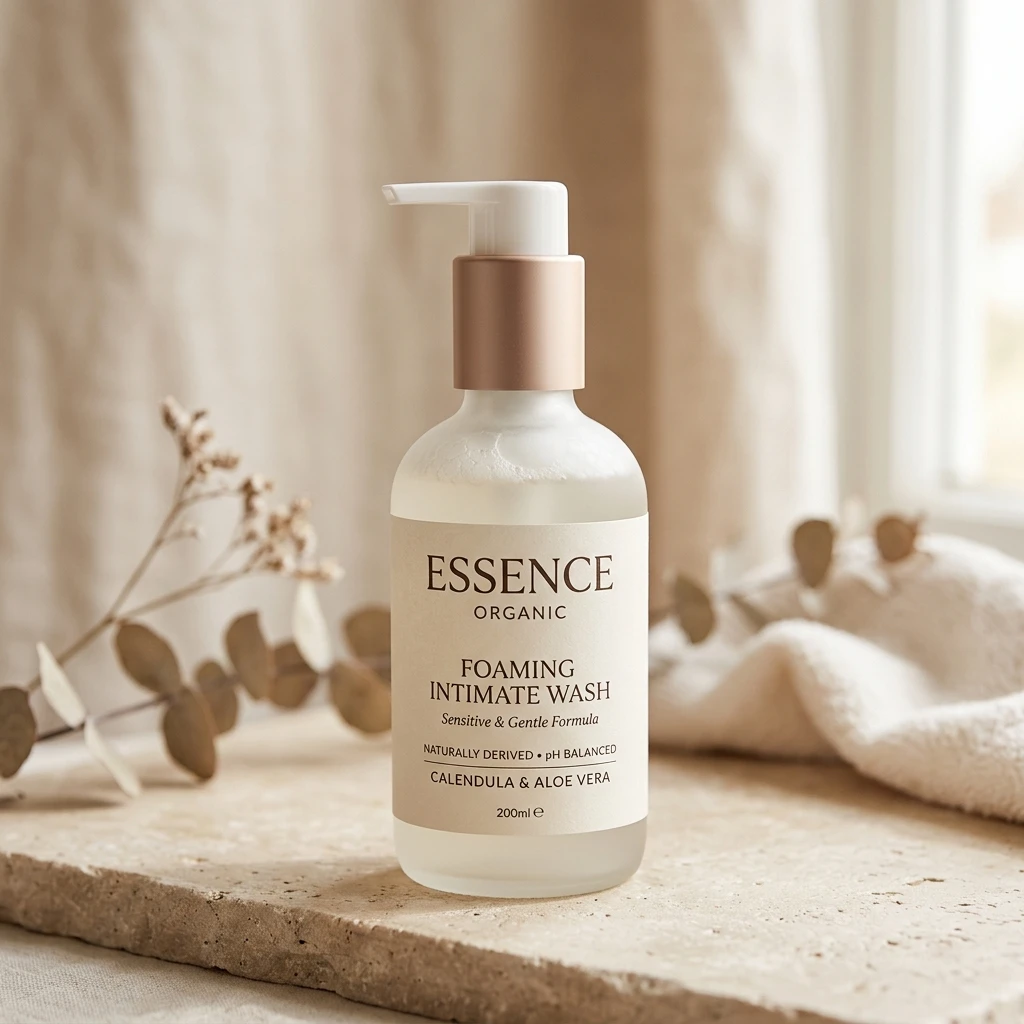
A foaming pump dispenser is highly recommended. Foaming pumps dilute the surfactants with air, creating a soft lather that reduces skin friction. Proper daily cleansing keeps perineal tissues healthy and comfortable.
Keep the bottle in a cool, dry place. Extreme bathroom heat can degrade natural plant extracts, reducing their soothing benefits. Proper storage preserves chemical freshness, ensuring safety.
Additionally, verify the wash has undergone clinical testing by dermatologists and gynecologists. Third-party testing ensures the wash is non-sensitizing and hypoallergenic for daily use. Clinical credentials provide peace of mind.
Finally, check for biodegradable labels. Organic washes should not contain microplastics or silicones that accumulate in environment pathways. Using pure, earth-friendly cleansers protects both personal and ecological health.
Choose a wash packaged in recyclable, BPA-free containers to prevent plasticizers leaching into the soap base over long storage periods. BPA-free containers prevent hormone-disrupting chemicals from entering your routine. Storing washes in a cabinet maintains product integrity.
We must point out that checking third-party certifications like USDA Organic or ECOCERT guarantees ingredient purity. Many products claim to be organic but contain only a small percentage of plant ingredients. Genuine certifications confirm clinical quality standards.
We should also emphasize that choosing the right wash is a foundational step in your daily personal care system. By aligning your hygiene products with the natural dermatology and pH of the perineal area, you prevent chronic sensitivity issues and support overall reproductive wellness. Investing in a premium, certified organic wash provides reliable, clean care for long-term health.
Clinical Recommendation & Audit
Cleanse your sensitive perineal skin safely. Check out our recommended solution below to experience clinical-grade, organic foaming care.
The Honey Pot Company Sensitive Foaming Wash - Organic and Scent-Free
- 100% organic plant-derived ingredients and completely scent-free
- Clinically tested to be hypoallergenic and pH-balanced for sensitive skin
- Free from parabens, sulfates, silicones, and artificial dyes
- Foaming pump dispenser dilutes surfactants, ensuring gentle cleansing
Technical Specifications & Product Data
| Specification | Value / Details |
|---|---|
| Brand | The Honey Pot Company |
| List Price | $10.99 (USD) |
| Customer Rating | 4.7 / 5.0 (6,540 reviews) |
| ASIN / Identifier | B01LYOEV6Y |
| Availability | In Stock (USA Region) |
| Outbound Link Compliance | Sponsored & Nofollow Enforced |
Verified Features & Performance Data
- ✓100% organic plant-derived ingredients and completely scent-free
- ✓Clinically tested to be hypoallergenic and pH-balanced for sensitive skin
- ✓Free from parabens, sulfates, silicones, and artificial dyes
- ✓Foaming pump dispenser dilutes surfactants, ensuring gentle cleansing
System Sovereignty & Engineering
Edge Computing
100% Client-side processing. Your data never leaves your browser sandbox, ensuring absolute compliance with US privacy mandates.
Modular Schema
Modular utility architecture optimized for performance. Low-latency WASM kernels provide near-native speeds for complex transformations.
Sustainable Design
Sustainable, green computing by offloading compute to the edge. Verified zero-server storage (ZSS) for professional-grade security.