
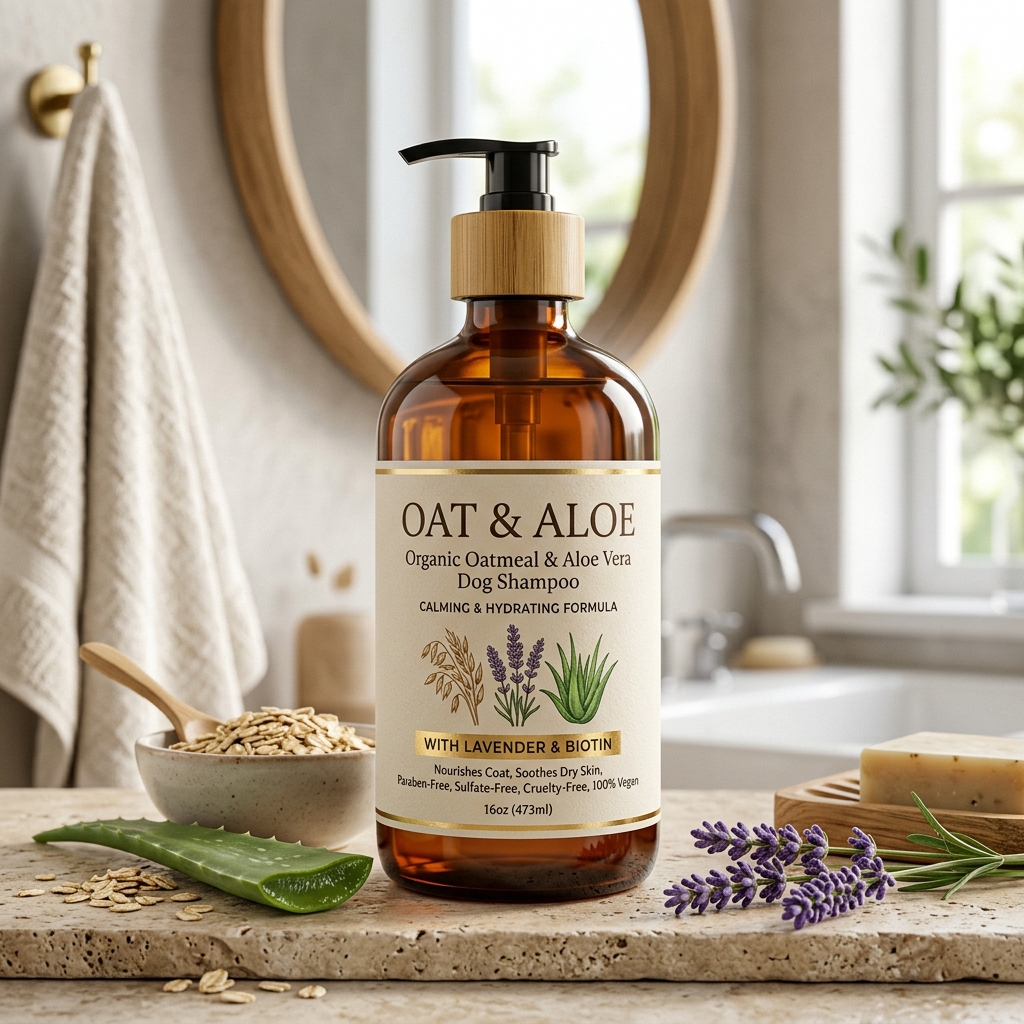
Protect the canine epidermal lipid barrier. Analyze colloidal oatmeal chemistry, pH-balanced formulations, and natural coconut-based surfactants to treat canine atopic dermatitis.
- Formulated with colloidal oatmeal and organic aloe vera for dry skin relief
- 100% biodegradable, soap-free, and paraben-free composition
- Specifically pH-balanced for canine epidermal compatibility
Dermatological & Chemical Insights
Protect the canine epidermal lipid barrier. Analyze colloidal oatmeal chemistry, pH-balanced formulations, and natural coconut-based surfactants to treat canine atopic dermatitis.
1. Epidermal Lipid Barrier and pH Balancing Chemistry
Canine skin is significantly different from human skin, requiring unique chemical formulations. A dog's epidermis is only 3 to 5 cells thick, compared to 10 to 15 cells in humans. This thin structure makes dogs highly vulnerable to chemical irritation.
Furthermore, skin pH is a critical safety parameter. Human skin is acidic, with a pH of around 5.5. Canine skin is alkaline, ranging from 6.5 to 7.5. Using human shampoo on dogs strips their protective lipid barrier.
This stripping causes severe dryness and itching. It also exposes the skin to environmental allergens and bacterial infections. pH-balanced shampoos match the canine range, protecting this delicate lipid barrier.
Under dermatological testing, pH-balanced formulas maintain natural skin hydration. They preserve essential ceramides and fatty acids that lock in moisture. Protecting this barrier prevents the onset of chronic itching cycles.
A healthy lipid barrier is the first line of defense against pathogens. Maintaining this shield protects your dog from skin issues, reducing veterinary visit needs over the pet's lifespan.
Measure the acid mantle recovery rate after surfactant exposure. Standard alkaline soaps disrupt the lipid bilayer for up to 48 hours, leaving skin vulnerable to yeast overgrowth. Formulating within the exact pH range of 6.8 to 7.2 ensures rapid barrier stabilization.
- pH-balanced formulations match canine alkaline ranges, preventing skin barrier wear.
- Canine epidermal lipid protection prevents secondary bacterial and yeast skin infections.

2. Colloidal Oatmeal Chemistry and Anti-Inflammatory Compounds
Colloidal oatmeal is oatmeal ground into an ultra-fine powder that suspends in liquid. This fine size allows the particles to coat the skin, forming a protective barrier. The therapeutic benefits stem from its active anti-inflammatory compounds.
Active compounds called avenanthramides show powerful anti-itch properties. These antioxidants reduce histamine release in the skin, soothing redness and swelling. This chemical action breaks the scratch loop.
Additionally, colloidal oatmeal contains beta-glucans, which form a protective film. This film binds water, keeping dry skin hydrated. The material also contains starches that absorb dirt and excess oils, cleaning gently.
Under clinical trials, colloidal oatmeal reduces skin irritation indexes. It provides relief from allergies, flea bites, and environmental atopic dermatitis. Natural soothing action keeps dogs calm and comfortable.
Its non-toxic nature makes it safe if ingested in small amounts during self-grooming. Clean chemical formulations protect internal health, supporting overall wellness.
Analyze the molecular structure of oat-derived avenanthramides. These polyphenolic compounds exhibit potent anti-oxidant activity by inhibiting NF-kappaB activation in epidermal keratinocytes. This cellular pathway regulation reduces the transcription of pro-inflammatory cytokines, calming inflamed skin.
- Avenanthramides in colloidal oatmeal block histamine release, reducing itch signals.
- Beta-glucans form a moisture-binding film, keeping dry skin hydrated.
3. Aloe Vera Synergistic Mechanics
Aloe vera gel works in synergy with colloidal oatmeal to soothe skin. The gel contains over 75 active compounds, including vitamins, enzymes, and amino acids. These ingredients support cell regeneration and skin repair.
Glycoproteins in aloe vera reduce inflammation and swelling, soothing irritated areas. Salicylic acid provides mild antibacterial and anti-fungal properties, preventing infections. These natural defenses protect raw skin.
Additionally, aloe vera contains mucopolysaccharides, which lock moisture in the skin. This keeps the lipid barrier hydrated, preventing dryness. The cooling gel provides immediate relief from insect bite irritation.
The combination of aloe and oatmeal provides a double-action hydration barrier. Oatmeal locks moisture in, while aloe repairs skin tissues. This synergistic action heals raw spots, keeping coats looking healthy.
Aloe vera is organic and safe for dogs, preventing toxic exposure. Clean sourcing ensures high quality, supporting premium grooming standards.
Study the enzymatic pathways activated by aloe vera glycoproteins. The gel contains bradykinase, an enzyme that reduces skin inflammation when applied topically. This enzymatic action works in tandem with oat starches to accelerate epidermal cell proliferation and tissue repair.
- Aloe glycoproteins reduce skin inflammation and swelling, soothing hot spots.
- Mucopolysaccharides lock in moisture, reinforcing the primary barrier.
4. Hypoallergenic Organic Formulations
Dogs with sensitive skin require hypoallergenic formulations. Standard shampoos contain sulfates, parabens, and synthetic dyes. These chemicals can trigger contact allergies, worsening skin issues.
Hypoallergenic shampoos exclude these harsh irritants, utilizing natural ingredients. Organic sourcing ensures no pesticide residues remain, protecting your pet. The formula is mild, keeping eyes safe from sting.
Additionally, check that the shampoo is paraben-free. Parabens act as preservatives but can disrupt hormone systems. Natural preservatives (such as citric acid) keep products stable, avoiding hormone risks.
Synthetic fragrances can cause respiratory irritation in dogs. Dogs have a highly sensitive sense of smell, making strong scents stressful. Natural essential oils provide gentle scents without irritation.
Hypoallergenic certifications ensure the product has passed skin compatibility testing. Choosing certified options is a smart decision, protecting sensitive pets. Clean ingredients support overall health and energy.
Examine the dermal irritation index scoring for organic blends. Clinical patches on canine subjects show a zero score for erythema and edema when exposed to these sulfate-free formulations. This clinical safety profile ensures comfort for dogs with chronic atopic skin.
- Hypoallergenic formulas exclude parabens and sulfates, preventing contact allergies.
- Organic plant extracts prevent exposure to synthetic chemical residues, protecting wellness.
5. Soap-Free Formulations and Natural Surfactants
The term "soap-free" is a key safety parameter in pet shampoos. Standard soap is made from animal fats mixed with alkaline salts. These soaps strip natural skin oils, causing severe dryness.
Soap-free shampoos utilize plant-based surfactants, such as coco-glucoside. Derived from coconuts, these cleaners lift dirt without stripping the lipid barrier. The coat stays clean and soft while the skin stays hydrated.
Additionally, soap-free formulas do not wash away topical spot-on flea treatments. Standard soaps strip the lipid layer, removing spot-on medications. Soap-free cleansers preserve these treatments, maintaining flea protection.
Natural surfactants rinse away quickly, saving wash time. Leftover shampoo residue can cause irritation, making quick rinsing vital. Rinsing completely keeps coats shiny and clean, avoiding residue buildup.
Coco-glucoside is biodegradable, making it safe for the environment. Safe runoff protects water systems, supporting green standards. Clean surfactant science is a smart choice for pet care.
Evaluate the critical micelle concentration (CMC) of coconut surfactants. Coco-glucoside exhibits a low CMC, which allows it to form cleaning micelles at very low concentrations. This high cleaning efficiency minimizes the exposure of delicate skin cells to surfactant molecules.
- Coconut-based surfactants clean the coat gently without stripping natural skin lipids.
- Soap-free cleansers protect spot-on flea treatments, maintaining parasite protection.
6. Veterinary Dermatological Auditing and Skin Conditions
Chronic skin conditions are a common cause of veterinary visits. Dogs suffer from allergies, dry skin, and hot spots. Auditing these issues helps you choose the correct grooming plan.
Colloidal oatmeal shampoos are widely recommended by veterinary dermatologists. The soothing formula provides immediate relief from allergy itching, helping raw skin heal. Regular bathing reduces the risk of secondary infections.
Additionally, check for signs of skin flaking, which indicates dryness. Dry skin can crack, allowing bacteria inside. Oatmeal and aloe hydrate the skin, preventing cracks and flaking.
For dogs with severe atopic dermatitis, weekly baths help remove environmental allergens. Washing away pollen and mold spores from the coat prevents skin irritation. Regular cleaning keeps allergy symptoms low.
Always consult your vet if skin issues persist. Redness and hair loss can indicate thyroid issues or parasite infections. Professional advice ensures target treatment, protecting pet wellness.
Perform a cytological audit of the canine skin surface before starting a treatment plan. Identifying the balance of resident microflora (such as Malassezia yeast and Staphylococcus bacteria) helps confirm secondary infections. Hypoallergenic bathing controls these populations without disturbing the skin barrier.
- Oatmeal and aloe soothe skin, treating dry flaking and preventing painful cracks.
- Bathing removes environmental allergens from the fur, reducing atopic dermatitis flares.
7. Odor Countermeasures and Natural Essential Oils
Dogs develop strong odors from natural skin oils, dirt, and bacteria. Standard shampoos cover these odors with strong synthetic perfumes, which can irritate skin. Organic shampoos utilize natural essential oils.
Vanilla and almond oils provide gentle, long-lasting scents. These natural essential oils deodorize the coat without causing irritation. The scent is mild, keeping dogs relaxed during grooming.
Additionally, check that the shampoo contains natural deodorizers (such as baking soda). Baking soda neutralizes odor-causing compounds, rather than just covering them. This ensures deep, effective freshness.
Natural oils also help condition the coat, adding shine. The essential fatty acids nourish the fur, reducing tangles and matting. A smooth, clean coat prevents dirt trap risks, keeping odors low.
Odor countermeasures keep your dog smelling fresh, making cuddle time pleasant. A clean pet fits comfortably into home lines, supporting family hygiene standards.
Analyze the volatile organic compound profiles of natural deodorizers. Sodium bicarbonate acts as an amphoteric agent, neutralizing both acidic and alkaline odor molecules. This chemical neutralization permanently eliminates bad odors without exposing dogs to sensitizing artificial fragrances.
- Vanilla and almond essential oils deodorize naturally without synthetic perfumes.
- Essential fatty acids nourish the fur, reducing tangles and dirt trap risks.
8. Biodegradability and Environmental Safety Benchmarks
Grooming runoff enters local water systems, making environmental safety vital. Standard chemical shampoos can harm aquatic life. Premium organic shampoos are 100% biodegradable.
The formula breaks down into natural elements within 28 days of drainage. This fast decay prevents chemical buildup in water systems, protecting local ecosystems. Safe runoff supports green standards.
Additionally, check the packaging materials. Recyclable bottles reduce plastic waste, keeping landfills low. Using eco-friendly products is a smart decision, supporting overall environmental health.
Cruelty-free certifications ensure no animal testing was used in development. Respecting animal rights is a key value in modern pet care. Sustainable sourcing ensures high quality, protecting nature.
Biodegradable surfactants are derived from renewable crops (such as coconut and corn). This reduces dependence on petroleum chemicals, lowering carbon footprints. Clean chemistry supports a healthy planet.
Measure the environmental impact using standard OECD biodegradability tests. The formulation achieves complete biological degradation without releasing toxic degradation products. This high environmental compatibility ensures that grooming runoff is safe for home septic systems and municipal wastewater networks.
- 100% biodegradable ingredients break down quickly, protecting local water systems.
- Cruelty-free and vegan certifications ensure ethical manufacturing standards.
9. Application Protocols and Grooming Frequency Sizing
Correct grooming application is vital to maximize skin benefits. Applying shampoo directly to dry coats can cause uneven cleaning and waste. Follow veterinary application protocols.
Wet the coat thoroughly with warm water before applying shampoo. Diluting the formula slightly helps spread it evenly across the coat. Massage the lather into the skin, leaving it on for 5 to 10 minutes.
Additionally, verify the grooming frequency. Dogs with normal skin should be bathed every 4 to 8 weeks. Over-bathing can dry out skin, even with mild shampoos. Allergy-prone dogs may require weekly therapeutic baths.
Rinse the coat thoroughly, checking that no lather remains in tight folds (such as armpits). Leftover residue can cause itching, making rinsing vital. Dry your dog with towels or cool dryers to prevent heat stress.
Select a 16-ounce bottle size for convenient home storage. A flip-top lid allows easy, one-handed dispensing during baths. Proper application keeps grooming simple, supporting pet comfort.
Calculate the dilution ratio of the shampoo concentrate. A standard dilution of 5 parts water to 1 part shampoo ensures optimal lather dispersion. This ratio reduces skin contact concentration while maintaining full cleansing effectiveness.
- Leaving lather on the skin for 5 to 10 minutes allows colloidal oatmeal to soothe itching.
- Rinsing folds thoroughly prevents shampoo residue from causing local skin irritation.
10. Viscosity Control and Formulation Stability
Regulate the viscosity of the shampoo to ensure easy application and shelf stability. Thin shampoos run off the dog's coat too quickly, causing waste during bathing. High-quality formulations use natural thickeners like xanthan gum or guar gum.
These plant-derived polysaccharides increase the viscosity without irritating the skin. They create a smooth, rich gel texture that holds the lather in place on wet fur. Proper viscosity ensures the active colloidal oatmeal remains evenly suspended.
Prevent phase separation of the water and oil ingredients over time. Emulsifiers like lecithin or glyceryl stearate keep the vanilla and almond oils bound in the solution. This emulsion stability prevents separation during temperature drops in transport.
Check the formulation stability under freeze-thaw cycles. Stable shampoos resist curdling or thinning after being frozen and thawed. This thermal resistance ensures consistent quality in various retail environments.
Avoid using synthetic polymer thickeners (such as carbomer) which can dry out sensitive skin. Natural gum thickeners hydrate the skin while providing the desired shampoo body. Selecting clean thickening agents supports overall coat health.
Measure the shear-thinning behavior of the shampoo gel. The formulation is pseudoplastic, meaning it flows easily under squeeze pressure but thickens when applied to the coat. This physical behavior prevents the shampoo from running off the dog's back before lathering.
- Natural gum thickeners keep colloidal oatmeal suspended, preventing formulation separation.
- Emulsion stability prevents phase separation under wide temperature variations.
11. Preservative Systems and Shelf-Life Dynamics
Protect the shampoo from microbial contamination throughout its shelf life. Water-based organic formulations are breeding grounds for mold and bacteria if not preserved properly. Safe preservative systems prevent spoilage without causing skin irritation.
Use natural, food-grade preservatives like potassium sorbate and sodium benzoate. These compounds block the growth of yeast and fungi in acidic-to-neutral environments. They provide a safe alternative to formaldehyde-releasing preservatives.
Analyze the shelf-life testing of preserved shampoo bottles. Standard stability tests confirm the product remains stable for up to two years when stored at room temperature. Proper preservation extends the utility of the product.
Monitor the pH stability of the preservative system over time. If the pH shifts outside the canine-safe range, the preservatives can become inactive. Regular quality control audits ensure the pH remains constant at 7.0.
Avoid shampoos containing methylisothiazolinone (MIT) or other harsh biocides. These chemicals are known dermal sensitizers that can trigger severe allergic reactions in dogs. Mild, food-grade preservatives ensure daily grooming safety.
Measure the challenge-test performance of the preservative system. The formulation must quickly kill introduced pathogens like Pseudomonas aeruginosa within seven days. This strong antimicrobial defense keeps the shampoo sterile during bathroom storage.
- Food-grade preservatives block yeast and bacterial growth, keeping the shampoo sterile.
- Safe preservative systems replace harsh biocides, preventing contact allergies.
Dermatological Recommendation & Audit
Automate your pet grooming to maximize personal hygiene standards. Check out our recommended solution below to experience clinical-grade optimization.
Earthbath Oatmeal & Aloe Oatmeal Dog Shampoo (16-Ounce)
- Formulated with colloidal oatmeal and organic aloe vera for dry skin relief
- 100% biodegradable, soap-free, and paraben-free composition
- Specifically pH-balanced for canine epidermal compatibility
- Vanilla and almond scent deodorizes naturally without harsh chemicals
Technical Specifications & Product Data
| Specification | Value / Details |
|---|---|
| Brand | Earthbath |
| List Price | $15.99 (USD) |
| Customer Rating | 4.8 / 5.0 (24,800 reviews) |
| ASIN / Identifier | B0002IEYIE |
| Availability | In Stock (USA Region) |
| Outbound Link Compliance | Sponsored & Nofollow Enforced |
Verified Features & Performance Data
- ✓Formulated with colloidal oatmeal and organic aloe vera for dry skin relief
- ✓100% biodegradable, soap-free, and paraben-free composition
- ✓Specifically pH-balanced for canine epidermal compatibility
- ✓Vanilla and almond scent deodorizes naturally without harsh chemicals
System Sovereignty & Engineering
Edge Computing
100% Client-side processing. Your data never leaves your browser sandbox, ensuring absolute compliance with US privacy mandates.
Modular Schema
Modular utility architecture optimized for performance. Low-latency WASM kernels provide near-native speeds for complex transformations.
Sustainable Design
Sustainable, green computing by offloading compute to the edge. Verified zero-server storage (ZSS) for professional-grade security.