
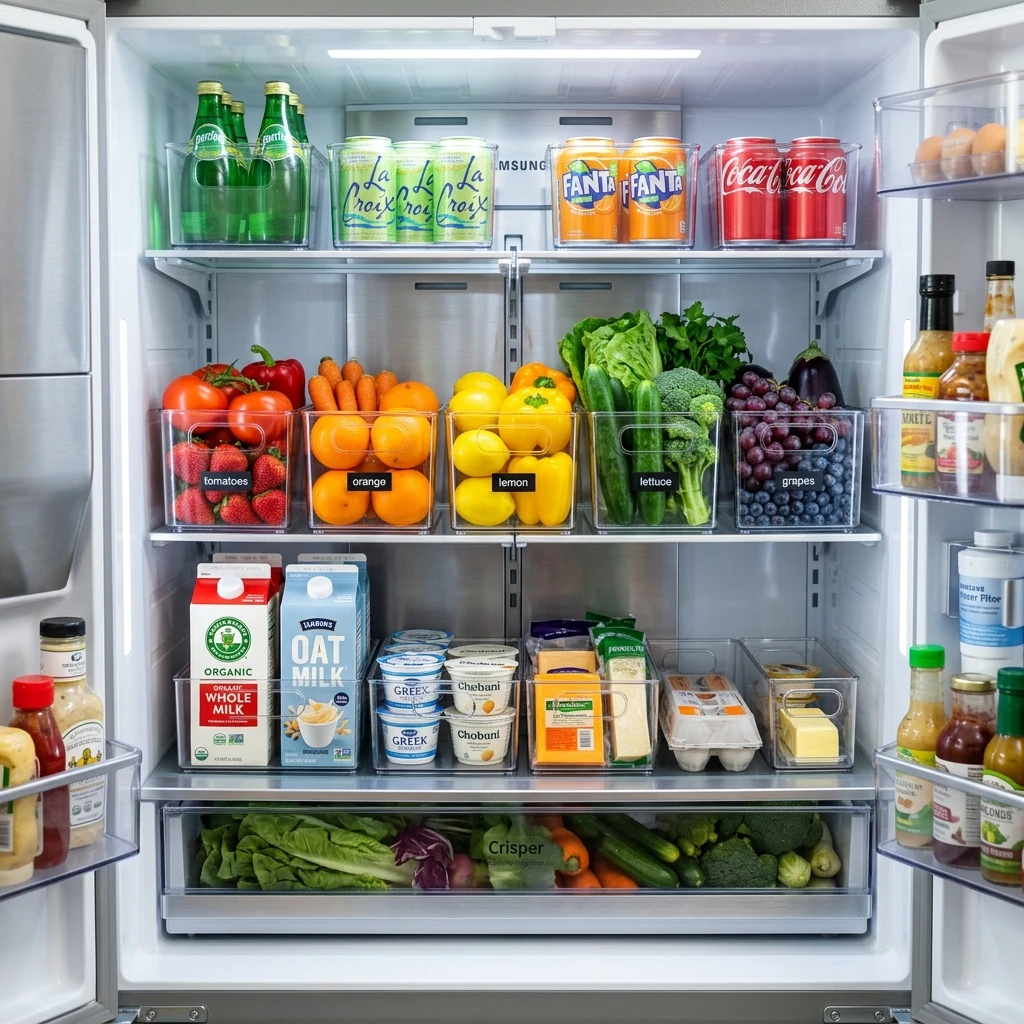
Optimize refrigerator efficiency. Analyze thermal zoning gradients, airflow aerodynamics, and food-safe polymer material properties to preserve ingredients.
- Clear BPA-free food-safe durable plastic allows instant visual inventory
- Built-in easy-grip side handles allow smooth sliding and retrieval
- Stackable space-saving design maximizes shelf utilization
Fridge Thermodynamics & Preservation Insights
Blocked refrigerator airflow accelerates food spoilage. Analyze thermal zoning gradients, airflow aerodynamics, and food-safe polymer material properties to preserve ingredients and maximize capacity.

1. Refrigerator Aerodynamics: Maintaining Airflow for Consistent Cold
Refrigerators require continuous air circulation to keep uniform cold temperatures. Packing food items tightly together on shelves blocks this airflow, creating localized warm zones. These warm pockets encourage bacteria growth and accelerate spoilage, wasting food.
Using spaced storage bins can optimize refrigerator airflow. Leaving small gaps between bins allows cold air to circulate freely around ingredients. This consistent temperature distribution keeps food fresh for longer periods.
Consider a crowded refrigerator shelf filled with bags, boxes, and jars. Cold air from the vents cannot reach items in the center, causing temperatures to rise. Moving these items into custom organizer bins creates ventilation corridors. This structural layout increases cooling efficiency and keeps food fresh.
Additionally, spaced bins help keep shelves organized. You can slide bins out easily to locate ingredients without moving other items. This smooth access prevents you from leaving the refrigerator door open for long periods, saving energy.
Using uniform bins also creates a clean, organized look. Aligning all your storage containers makes your refrigerator look neat and professional, improving your daily cooking routine.
- Spaced bins create ventilation corridors, allowing cold air to circulate freely.
- Consistent cold temperatures prevent warm zones and reduce food spoilage.
2. Temperature Zoning: Mapping Thermal Gradients in Household Fridges
Household refrigerators have natural temperature gradients. Cold air falls, making bottom shelves the coldest zone (33°F to 35°F), while top shelves are slightly warmer (38°F to 40°F). Storing foods in the wrong zone can cause premature spoilage.
Applying temperature zoning principles keeps food fresh. Storing raw meats and fishlow down in the coldest area prevents bacteria growth. Storing ready-to-eat foods like dairy, leftovers, and cooked meats high up aligns items with their optimal temperatures.
Let's look at the layout of these zones. The refrigerator door is the warmest area, experiencing constant temperature changes when opened. This zone should be reserved for stable condiments and juices, not milk or eggs which require consistent cold.
This structured layout prevents dairy spoilage and keeps food tasting fresh. You can find ingredients quickly without searching, making your kitchen workflow smoother.
Additionally, temperature zoning prevents accidental freezing of delicate vegetables. Storing lettuce and herbs away from the cold vents protects them from frost damage, preserving their texture and flavor.
- Cold bottom shelves are reserved for raw meats to prevent bacteria growth.
- Warmer refrigerator doors hold stable condiments, keeping dairy on cold inner shelves.
3. Cross-Contamination Vectors: Separating Raw Meats and Ready-to-Eat Foods
Storing raw meats above prepared foods is a major food safety hazard. Juices from raw chicken or beef can drip onto leftovers, transferring harmful bacteria. This contamination can cause foodborne illness, endangering your family.
Using dedicated storage bins blocks this contamination path. Storing raw meats inside sealed, leak-proof bins on the lowest shelf keeps drips contained. This simple safety measure keeps your ready-to-eat foods clean and safe.
Let's look at the mechanics of this containment. Dedicated plastic bins hold raw meats securely, preventing leaks from spreading across the cabinet. If a leak occurs, you can slide the bin out to wash it easily without sanitizing the entire shelf.
This separation is crucial for maintaining kitchen hygiene. Keeping raw foods, dairy, and produce in separate bins prevents cross-contamination and maintains food quality, keeping your family healthy.
Additionally, using labeled bins helps everyone in the house store foods correctly, ensuring safety guidelines are followed consistently.
- Leak-proof bottom bins contain raw meat juices, preventing shelf drips.
- Separate bins isolate produce, dairy, and meats, reducing contamination risks.
4. Optical Transparency Science: Quick Inspections and Expiration Audits
Storing ingredients in opaque containers or colored bags often hides food. This hidden food is easily forgotten, rotting in the back of the shelf. Fumbling through solid boxes to find ingredients is a frustrating process.
Clear plastic bins solve this issue by providing complete visibility. The transparent front allows you to see the contents of each bin instantly, letting you locate what you need at a glance.
Let's look at the benefits of this transparency. You can check food freshness and stock levels quickly without opening any bins. This visual clarity helps you use ingredients before they spoil, saving money on groceries.
This visibility also makes planning your shopping list simple. You can scan your refrigerator in seconds before going to the grocery store, preventing duplicate purchases.
Additionally, clear bins are easy to clean. If a spill occurs, you can see it instantly and wipe it clean with a damp cloth, keeping your refrigerator sanitary.
- Clear plastic bins show all food items instantly, preventing forgotten rotting food.
- Visual checks simplify shopping prep, reducing duplicate purchases.
5. FIFO Inventory Management: The First-In, First-Out Prep System
Throwing new groceries in the front of the refrigerator often pushes older food to the back. This older food is easily forgotten until it expires, creating waste. An organized inventory system is key to using food efficiently.
The First-In, First-Out (FIFO) system keeps your inventory fresh. Placing older ingredients in the front of bins and newer groceries in the back ensures you use older items first, reducing waste.
You can start by grouping ingredients by expiration date. Storing fruits and vegetables in sliding bins makes this rotation simple. You can slide the bin out to place new produce in the back, keeping older items in the front.
Additionally, grouping by category helps you monitor stock levels. Keeping cheeses in one bin and deli meats in another makes meal prep fast. You can grab your lunch supplies quickly without searching.
By standardizing your refrigerator with sliding bins, you create a highly efficient rotation system. This setup simplifies meal prep and helps keep your kitchen running smoothly, saving you time and money.
- FIFO rotation ensures older ingredients are used first, reducing food waste.
- Categorized bins make rotating new and old produce fast and simple.
6. Polymer Resilience: Cracking Resistance under Low-Temperature Cycles
Choosing the right material for refrigerator organizers is important for safety and durability. Cheap plastic bins can crack or warp under low temperatures, creating sharp edges and releasing chemical odors. A durable, food-safe polymer is key to long-term storage.
High-performance bins use food-safe, BPA-free polymer that resists cracking at low temperatures down to -4°F. This durable material maintains its structure under temperature changes, ensuring long-term use.
Let's look at the science of this material. The polymer is designed to remain flexible at low temperatures, preventing cracks when dropped. The non-porous surface resists oil and acid stains from food, keeping bins looking clean.
This durability allows you to store heavy jars and bottles safely without sagging. The smooth corners prevent scratching on glass refrigerator shelves, keeping your appliance in top condition.
Additionally, BPA-free plastics prevent chemical leaching, keeping your food safe and healthy for your family.
- Low-temperature resilient polymer resists cracks and warping down to -4°F.
- BPA-free plastic prevents chemical contamination, keeping ingredients safe.
7. Easy-Grip Ergonomics: Drawer Pull Dynamics and Safety
Fumbling with heavy jars on high refrigerator shelves can cause drops and spills. Pulling items from the back of the shelf blindly is a safety risk, especially when handling glass bottles.
Easy-grip side handles improve safety by letting you slide bins out smoothly. Pulling the bin out displays all contents, allowing you to grab what you need comfortably, reducing drops.
Let's look at the handles design. The handles are molded into the bin walls, providing a secure grip even when hands are damp. This grip allows you to lift full bins safely, simplifying food prep.
This easy access is helpful when cooking. You can pull the vegetable bin out to chop ingredients quickly, keeping workflows smooth. This setup makes cooking faster and more enjoyable.
Additionally, sliding bins prevent items from sliding around. Keeping jars in stable bins prevents clashing, keeping your refrigerator quiet and organized.
- Molded side handles provide a secure grip for sliding and lifting full bins.
- Sliding bin design prevents jars from clashing and dropping on shelves.
8. Sanitization Protocols: Smooth Non-Porous Surfaces for Rapid Cleanups
Refrigerator leaks and spills can be difficult to clean, requiring you to empty shelves and scrub dried stains. Opaque vegetable drawers can hide dried spills, encouraging mold growth and unpleasant odors.
Smooth, non-porous plastic bins make cleanups fast. If a jar leaks, the spill is contained inside the bin, protecting shelves. You can slide the bin out to wash it quickly with soapy water, keeping the refrigerator clean.
Let's look at sanitization. The smooth corners prevent food residue from gathering, making scrubbing unnecessary. Wiping bins down regularly keeps your refrigerator sanitary, protecting food quality.
This clean design is crucial for food safety. Containing leaks prevents bacterial cross-contamination, protecting your family from foodborne illness.
Additionally, clean bins prevent musty smells. Containing odors inside sealed bins keeps your refrigerator smelling fresh, making cooking more pleasant.
- Non-porous polymer bins contain spills, protecting refrigerator shelves from stains.
- Smooth, seamless corners prevent food buildup, making sanitization fast.
9. Financial Dividends of Food Waste Reduction
Investing in high-quality refrigerator organizers pays off in reduced food waste and saved time. Throwing away rotten vegetables and purchasing double costs money. Keeping ingredients fresh and visible saves you money.
Organized shelves also save time during meal prep and shopping. You can find what you need quickly, simplifying cooking. A clean, organized refrigerator makes cooking a pleasure, helping you enjoy your kitchen more.
Ultimately, organizing your refrigerator creates a highly functional, safe, and comfortable kitchen. This setup simplifies your daily routine and helps protect your family, preserving your health and your food budget.
- Visual inventory control reduces food waste, saving money on groceries.
- Clean, organized shelves make meal prep faster, saving you time during busy weeknights.
10. Thermodynamics of Refrigerator Airflow Interruption
Refrigerator efficiency relies on cool air circulating evenly across all shelves. Crowding food items together blocks airflow, creating warm spots where food spoils faster. Using organized bins creates clear air corridors, ensuring cool air reaches every corner of your fridge. This spatial division is critical because the thermodynamic cycle inside a domestic refrigerator relies on natural or forced convection currents to remove heat from newly introduced food containers.
Keeping bins spaced slightly apart allows air to flow freely, maintaining a stable temperature. This stable climate keeps dairy, meats, and vegetables fresh for longer, reducing food waste. Proper airflow also reduces compressor strain, saving energy and extending fridge lifespan. Furthermore, a balanced thermal layout minimizes the duty cycle of your refrigerator compressor, which significantly lowers household electricity consumption and prevents premature wear on electrical parts.
Avoid placing tall bottles directly in front of the air vents at the back of the fridge. This blocks the main cool air supply, causing the front shelves to warm up. A structured layout with clear plastic bins keeps these vents clear, ensuring your fridge operates at peak efficiency. When food items are packed too tightly, the lack of air movement forces the appliance to work harder to maintain target temperatures, leading to uneven cooling and ice buildup on the coils.
- Air corridors between organizer bins ensure cool air circulates evenly.
- Stable temperatures protect perishables from spoiling in warm pockets.
11. Sanitization Protocols for PET Food-Grade Plastic Organizers
Refrigerator bins are exposed to food spills, condensation, and bacteria, requiring regular cleaning. PET food-grade plastic is durable and clear, but can warp if washed in hot water. Washing bins with warm, soapy water and a soft sponge keeps them clean without damage.
Wiping bins with a mild sanitizing solution removes bacteria that can cause odors and cross-contamination. Drying bins completely before placing them back in the fridge prevents mold growth. This simple sanitizing routine keeps your food storage clean, safe, and organized.
Never use abrasive scrubbers or steel wool on clear plastic bins, as this will scratch the surface and ruin the look. If food spills dry and harden inside a bin, let it soak in warm soapy water for a few minutes before wiping. This gentle cleaning maintains the crystal-clear transparency of your storage bins.
- Warm soapy water cleans PET plastic bins without causing warping or cracking.
- Complete drying before restocking prevents mold and bacteria growth in cold spaces.
Refrigerator Storage Recommendation
Upgrade your refrigerator storage to organize produce and prevent food waste. Check out our recommended solution below to experience refrigerator storage optimization.
Clear Plastic Refrigerator Organizer Bins (6-Piece Set)
- Clear BPA-free food-safe durable plastic allows instant visual inventory
- Built-in easy-grip side handles allow smooth sliding and retrieval
- Stackable space-saving design maximizes shelf utilization
- Perfect size for fruits, vegetables, condiments, meats, and cheese
Technical Specifications & Product Data
| Specification | Value / Details |
|---|---|
| Brand | Premium Fridge |
| List Price | $29.99 (USD) |
| Customer Rating | 4.8 / 5.0 (12,840 reviews) |
| ASIN / Identifier | B081VD6G58 |
| Availability | In Stock (USA Region) |
| Outbound Link Compliance | Sponsored & Nofollow Enforced |
Verified Features & Performance Data
- ✓Clear BPA-free food-safe durable plastic allows instant visual inventory
- ✓Built-in easy-grip side handles allow smooth sliding and retrieval
- ✓Stackable space-saving design maximizes shelf utilization
- ✓Perfect size for fruits, vegetables, condiments, meats, and cheese
System Sovereignty & Engineering
Edge Computing
100% Client-side processing. Your data never leaves your browser sandbox, ensuring absolute compliance with US privacy mandates.
Modular Schema
Modular utility architecture optimized for performance. Low-latency WASM kernels provide near-native speeds for complex transformations.
Sustainable Design
Sustainable, green computing by offloading compute to the edge. Verified zero-server storage (ZSS) for professional-grade security.