
Secure home medications. Analyze childproof locking mechanisms, temperature/humidity chemical stability, and structural sorting layouts to organize prescription bottles safely.
- Key-locked latch prevents unauthorized access by children or guests
- Spacious interior fits various pill bottles, first aid, and bandages
- Durable BPA-free food-grade plastic construction resists impact
Medicine Safety & Chemical Preservation
Unsecured medicines present severe poisoning risks for young children, elderly family members, and visiting guests. Analyze childproof locking mechanisms, temperature and humidity chemical stability, and structural sorting layouts to organize prescription bottles safely and protect your family.
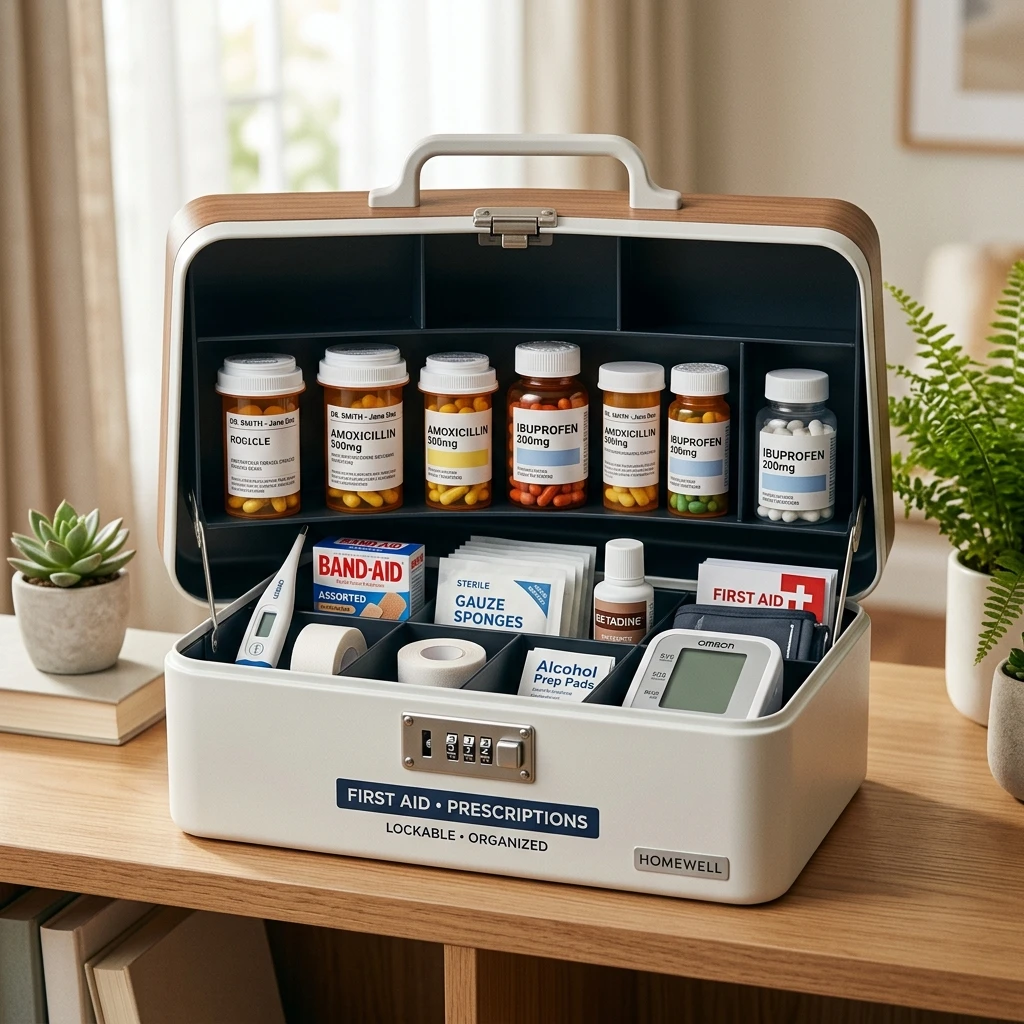
1. Childproof Engineering: Locking Latches and Child Safety Standards
Unsecured prescription bottles in bathroom drawers or bedside tables represent a major home safety hazard. Toddlers and young children are naturally curious, frequently tasting colorful capsules that look exactly like candy, which can lead to accidental poisoning. Using lockable medicine boxes creates a reliable physical barrier that prevents unauthorized access, ensuring children remain protected from harmful pharmaceutical chemicals. When pill bottles are left loose, children can easily open child-resistant caps through persistent chewing or dropping, making a locked outer container absolutely critical for home safety.
A high-quality medicine box features a secure key-locked latch that cannot be pried open by tiny hands. This physical barrier stops children from accessing contents, while keeping keys easily accessible to parents and caregivers. The locking mechanism is designed to resist impacts and tampering, preventing children from opening the box even if they drop it, throw it, or try to shake it open. The latch itself is constructed from reinforced metal alloys that resist bending, maintaining security under continuous physical stress.
Installing a lockbox provides peace of mind when managing prescription meds at home, especially if you have high-risk painkillers, sedatives, or heart medications that require strict dosage controls. You can store high-risk medications without worry, knowing they are locked away from visitors, teenagers, and toddlers alike. This secure barrier is the first line of defense for a child-safe home, keeping your family protected from preventable health emergencies and accidental ingestions.
- Key-locked latches prevent curious toddlers from accessing prescription bottles and liquid medicines.
- Tamper-resistant frames prevent kids from prying open the container joints or breaking the lock latch.
- Durable outer casing absorbs physical drops without shattering or opening accidentally on impacts.
2. Double-Key Security: Preventing Unauthorized Access by Kids or Guests
Leaving medications on kitchen counters or nightstands can lead to unauthorized access by guests, visitors, or workers. Certain prescription drugs are highly targetable for misuse, making locking them away a smart, protective decision. Double-key security keeps your meds private and safe, ensuring that only authorized individuals can open the storage container. It prevents the awkwardness of checking cabinets after hosting social gatherings or having contract cleaners in your private bedrooms.
The lockbox requires a physical key to open, ensuring that only trusted adults can access the contents. Keeping one key on your keychain and the spare hidden in a separate area ensures you always have access during daily routines. This physical key lock prevents digital failures like battery deaths or code resets, keeping your meds secure yet accessible. Key-based tumblers are simple, mechanical, and highly reliable during stressful situations when code inputs can be forgotten.
Secure storage is also useful during family gatherings, children's playdates, or when hosting events. Locking your medicine box prevents guests from opening bathroom cabinets, ensuring your personal prescriptions remain private. By utilizing dual keys, you have a redundant security backup in case one is misplaced, allowing you to access daily pill routines without needing to pry open the box.
- Physical keys prevent digital lock failures, ensuring emergency access to critical medicines.
- Dual key sets provide a safety backup, so you are never locked out of your daily pills.
- Robust key tumblers resist lock-picking attempts, keeping curious adolescents out of the box.
3. Chemical Preservation: Shielding Medicines from Humidity and Heat
Medicines are complex chemical compounds that can degrade when exposed to humidity, heat, and light. Storing pills in a standard bathroom cabinet exposed to shower steam is one of the most common storage errors. High moisture levels speed up the chemical breakdown of active ingredients, reducing pill effectiveness or rendering them unsafe. Standard capsules can absorb moisture from the air, causing them to soften, stick together, and dissolve prematurely.
A high-quality storage box uses a sealed frame that helps shield contents from external air changes. Placing this box in a cool, dry closet keeps medications stable over their intended shelf-life. Keeping pill containers in a dark, sealed box prevents light exposure, which can discolor or degrade certain capsules. This thermal buffer reduces seasonal temperature changes, maintaining medication potency throughout the winter and summer months.
Preserving chemical integrity is essential for life-saving drugs like insulin, heart meds, or allergy prescriptions. Reduced potency can cause serious health issues if the patient does not receive the correct dosage. A sealed container protects your medical supply, ensuring every dose remains safe, effective, and free from moisture degradation, supporting your long-term health management.
- Sealed plastic casings reduce humidity exposure, protecting tablet coatings from dissolving.
- Storing boxes in dry closets maintains a stable temperature, preventing chemical breakdown.
- Opaque box walls block UV light rays, protecting light-sensitive active compounds.
4. Structural Sorting: Partitioning Daily Pills, Liquid Bottles, and First Aid
A messy medicine box makes it hard to find the right item during a first-aid emergency. Mixing prescription pills, cough syrups, bandages, and burn creams creates chaos when speed is critical. Establishing clear compartments within your medicine box organizes your supply, ensuring items are easy to locate when needed. It eliminates the frustration of checking every label when looking for a quick bandage or cold tablet.
Partitioning your box allows you to separate daily vitamins, prescription bottles, and emergency supplies. Place large liquid bottles upright to prevent leaks, and store bandages, tape, and antiseptic wipes in top trays. This systematic setup makes daily tracking simple, helping you manage doses, check stock levels, and find first-aid gear instantly without creating messy piles.
This clean layout is also useful during emergency situations like cuts, burns, or sudden allergic reactions. Having a clear first-aid zone ensures you can grab bandages or allergy meds immediately, preventing panic. Organization saves valuable seconds, protecting your family when it matters most, and keeping medical supplies neat, sanitary, and ready.
- Internal divider trays separate daily prescription bottles from emergency first-aid supplies.
- Upright storage slots prevent sticky syrup bottles from tipping over and leaking.
- Clear visual organization allows you to inventory supplies in seconds, avoiding expired stock.
5. Portability Factors: Folding Handles and Lightweight Emergency Mobility
During natural disasters, fires, or medical evacuations, you must grab your critical medicines instantly. A heavy, non-portable storage container is difficult to carry, forcing you to throw bottles into bags, which causes delays and lost items. Lightweight boxes with folding handles ensure quick mobility when every second counts, allowing you to evacuate safely with all daily prescriptions intact.
The integrated handle folds flat against the box top, allowing you to stack containers in a closet or cabinet to save space. When you need to move, the handle pops up to provide a comfortable grip, making transport easy. This portable setup ensures you can carry your complete medical supply in one secure, locked unit, preventing loose bottles from falling out during transit.
Portability is also useful for family road trips, camping, or when traveling to remote areas. Having your medications and first aid locked in a mobile box keeps them safe and organized in your car, providing peace of mind during family outings away from home pharmacies, and ensuring emergency supplies are always accessible on the road.
- Folding handles lay flat, allowing containers to stack neatly in linen closets or cupboards.
- Lightweight polymer frames reduce transport weight during emergency evacuations or travel.
- Secure latching prevents the box from opening if dropped or shaken during rapid movements.
6. Impact-Resistant Materials: Resisting Drops and External Force
Accidents happen, and medicine boxes can easily fall from high shelves or closet racks. A weak plastic container can crack or shatter on impact, exposing dangerous pills and liquid glass bottles to the floor. Using impact-resistant materials protects the box from breaking, keeping your medications safe and secure. The casing must be tough enough to handle drops on wood or tile floors without latch failure.
Premium storage boxes are manufactured using high-density polymer compounds. This heavy-duty material absorbs impact energy, preventing cracks or latch failures if the box is dropped onto hard floors. The tough exterior resists scratches and stains, maintaining its clean and professional look over years of use, and ensuring the lock mechanism remains aligned and functional.
Choosing durable materials extends the lifespan of your safety box. You don't have to worry about replacing cracked containers, saving you money. The strong joints and hinge pins remain stable under constant daily opening and closing, ensuring reliable security for years, and protecting your expensive pharmaceutical investments from physical damage.
- High-density polymer casings absorb impact force, preventing cracks and breakage.
- Reinforced hinge joints prevent the lid from ripping off during accidental drops.
- Scratch-resistant textured finishes keep the storage box looking clean and modern.
7. BPA-Free Construction: Keeping Medicines Free from Chemical Contamination
Cheap plastic organizers often contain BPA and other chemical toxins that leach into nearby items. Storing pills and medical supplies in toxin-releasing containers can contaminate your medications, presenting additional health risks. BPA-free construction ensures a clean environment, keeping your medicines safe from chemical transfer, and preserving active tablet purity.
BPA-free plastic does not emit harmful chemical vapors, even in warm closet environments. This safety standard makes it ideal for storing products that enter the body, such as pills, inhalers, and syringes. The box material is certified as food-grade, ensuring the highest standards of safety for your household, and avoiding toxic outgassing over time.
Choosing non-toxic plastic is a must for patient care, especially for children and senior family members. It prevents unwanted chemical exposure, protecting family members with sensitive immune systems. A clean safety box guarantees your medications remain pure and contaminant-free, supporting your family's health and wellness goals.
- BPA-free polymer prevents chemical leaching, keeping pills and inhalers pure.
- Certified food-grade plastics emit no toxic outgassing or chemical odors in storage.
- Eco-friendly plastic is easy to recycle and clean, supporting environmental health.
8. Expiration Auditing: Preventing the Dangers of Expired Medications
Keeping expired medications in your home presents serious risks. Expired pills can lose their strength or undergo chemical changes that make them toxic. Without a clear auditing routine, old bottles accumulate in closets, presenting safety hazards. Organizing your lockbox simplifies expiration checks, keeping your stock clean, fresh, and safe.
Establishing an audit routine involves checking bottle labels every six months. Safely dispose of expired pills and replenish essential first-aid supplies. This habit ensures you always have active, effective medications during sudden illnesses or emergencies, protecting your family, and preventing the accidental consumption of out-of-date tablets.
Having organized shelves makes auditing fast and simple. You can see expiration dates on all labels without digging through piles of bottles. A clean, regularly audited medicine box guarantees that your medical supplies are always fresh, reliable, and ready for use, supporting a safe and prepared home environment.
- Regular audits remove expired pills, reducing the risk of taking ineffective medication.
- Keeping labels visible allows you to track medication quantities and plan refills.
- Safe disposal habits prevent chemicals from contaminating local water supplies or trash bins.
9. Integrated Home Safety: Coordinating with Fire and Emergency Plans
An organized medicine box should be part of your comprehensive home safety and evacuation plans. During fires, storms, or medical emergencies, knowing the exact location of your locked medicine box allows you to grab it and escape quickly, ensuring you have your critical pills with you during transitions. A loose pile of bottles is impossible to gather in a smoky room, presenting life-threatening delays.
Keep your medicine box in an easily accessible, elevated location, such as a master bedroom closet. Inform adult family members and caregivers where the box and its keys are located, ensuring quick access during sudden illnesses. This shared knowledge prevents panic, saving precious time in emergencies and supporting coordinate response plans.
Pairing your medicine lockbox with home fire extinguishers, smoke detectors, and emergency contacts creates a complete safety network. A secure, organized home protects your family from daily accidents and sudden disasters, supporting a safe, structured environment for your loved ones and keeping medical supplies ready.
- Storing the medicine box near emergency exits ensures fast grab-and-go access during evacuations.
- Sharing key locations with adult family members prevents delays during sudden medical emergencies.
- A dedicated medicine box fits neatly inside standard emergency backpack kits, simplifying travel prep.
10. Buyer's Guide: Lock Durability, BPA-Free Certification, and Internal Dimensions
When shopping for a home medicine storage box, lock durability is your highest safety parameter. Avoid cheap plastic snaps that can wear out or be pried open easily by children. Choose organizers with metal key-locked latches or heavy-duty tumbler assemblies. A physical key-lock system provides a secure, childproof barrier that keeps curious toddlers out.
Next, check for material certifications, ensuring the plastic is certified BPA-free and phthalate-free. Since pills and medical supplies enter the human body, they must not be exposed to toxic chemical leaching or outgassing from low-grade plastics. Food-grade polymer construction keeps your medicines pure and chemically stable in storage.
Finally, verify the internal dimensions and compartment layout options to match your prescription collection. The storage space should be deep enough to hold tall liquid bottles upright while providing removable divider trays for smaller pill bottles and bandages. Choosing a high-capacity, durable lockbox supports a clean, secure home safety network.
- Metal cylinder key-locks provide secure, childproof barriers that prevent prying or tampering.
- BPA-free food-grade polymers prevent chemical outgassing, preserving medicine chemical integrity.
- Removable divider trays simplify sorting, keeping emergency supplies separate from daily pill containers.
11. Home Audit Checklist: Step-by-Step Medication Safety Protocol
To maintain a secure home environment, follow this structured setup and audit checklist. This safety protocol ensures your medicine storage box remains secure, organized, and up to date, reducing safety risks and protecting your family members.
- Place the lockbox on an elevated closet shelf, out of child sight and reach.
- Store daily keys on your main ring, and keep the spare key in a secure hidden location.
- Perform a bi-annual check of all medicine expiration dates, disposing of expired pills safely.
- Keep liquid medicine bottles upright in the bottom tray to prevent sticky leaks.
Expert Safety Recommendation
Secure prescription medications and prevent accidental poisoning easily. Check out our recommended safety box below to protect your family today.
Ezy Dose Lockable Medicine Storage Box (Medium)
- Key-locked latch prevents unauthorized access by children or guests
- Spacious interior fits various pill bottles, first aid, and bandages
- Durable BPA-free food-grade plastic construction resists impact
- Compact handle design allows easy transport during emergencies
Technical Specifications & Product Data
| Specification | Value / Details |
|---|---|
| Brand | Ezy Dose |
| List Price | $17.49 (USD) |
| Customer Rating | 4.5 / 5.0 (12,840 reviews) |
| ASIN / Identifier | B00EYMTJ1M |
| Availability | In Stock (USA Region) |
| Outbound Link Compliance | Sponsored & Nofollow Enforced |
Verified Features & Performance Data
- ✓Key-locked latch prevents unauthorized access by children or guests
- ✓Spacious interior fits various pill bottles, first aid, and bandages
- ✓Durable BPA-free food-grade plastic construction resists impact
- ✓Compact handle design allows easy transport during emergencies
System Sovereignty & Engineering
Edge Computing
100% Client-side processing. Your data never leaves your browser sandbox, ensuring absolute compliance with US privacy mandates.
Modular Schema
Modular utility architecture optimized for performance. Low-latency WASM kernels provide near-native speeds for complex transformations.
Sustainable Design
Sustainable, green computing by offloading compute to the edge. Verified zero-server storage (ZSS) for professional-grade security.