
Securing intimate wellness products requires locking mechanisms and chemical safety storage. Analyze child exploratory behavior, home security, and lockboxes.
- Rigid food-grade BPA-free plastic construction with 3-digit combination lock
- Spacious interior fits multiple intimate devices, lubricants, and test kits
- Clear or frosted walls allow for quick inventory checking while obscuring items
Clinical & Performance Insights
Securing intimate wellness products requires locking mechanisms and chemical safety storage. Analyze child exploratory behavior, home security, and lockboxes.
1. Child Psychology and Exploratory Sensory Behavior
Children are natural explorers. From infancy through early childhood, they learn about their environment through sensory exploration. They touch, feel, and taste objects to understand their physical properties.
Intimate wellness products are highly attractive to this exploratory behavior. Vibrating devices resemble toys, and liquid lubricants look like sweet syrups. If left unsecured, children will play with these items, raising serious hygiene and safety concerns.
To prevent access, establish a strict "lock-and-store" protocol at home. Storing items in a dedicated lockbox creates a physical barrier that stops child exploration. A lockbox protects your privacy and prevents accidental exposure.
Furthermore, children learn by imitating their parents' habits. If they see you retrieving items from a locked container, they understand the box is off-limits. Keeping a clear boundary helps set healthy home habits.
Always avoid hiding items in closets, drawers, or under mattresses. Children routinely search these areas during play or cleaning. Locked storage is the only way to guarantee safety.
Additionally, children's color detection and spatial memory are highly acute. They quickly notice bright colors or unusual packaging on shelves, associating them with candies or games. Obscuring these items inside frosted or opaque containers eliminates this visual trigger.
We must point out that cognitive development in toddlers does not include a concept of danger for everyday objects. They cannot distinguish a body-safe cleaning chemical from plain water. Physical lock barriers act as the primary brain filter for children.
Furthermore, peer curiosity can lead to embarrassing situations when children invite friends over. Unsecured items found during sleepovers can compromise your privacy and create social friction. Lockable storage keeps personal boundaries fully secure.
Furthermore, a child's spatial awareness develops rapidly, meaning they quickly map where their parents store high-interest items. If they notice you reaching for a specific shelf or key ring, their curiosity will prompt them to investigate that exact spot when you are out of the room. Using a randomized dial lockbox breaks this visual feedback loop completely.
In addition, toddlers frequently engage in object-sharing play during family gatherings. Finding an unsecured intimate item is not just a privacy issue; children will proudly show their new 'toy' to siblings, guests, or grandparents. Physical containment prevents these highly distressing social situations before they can occur.
In addition, sensory play helps kids catalog their environment. They are naturally drawn to objects that respond to touch, such as silicone textures and flexible switches. Locking away tactile items preserves safety and keeps your devices pristine.
- Exploratory sensory behavior leads children to touch and taste attractive, unsecured personal care items.
- Vibrating devices resemble electronic toys, making them primary targets for children during play.
- Standard drawer hiding spots fail during child hide-and-seek games or closet exploring.
- Locked storage creates a clear limit, keeping sensitive personal items private and safe.
2. Toxicological Risks of Intimacy Consumables
Intimacy consumables, including sanitizing sprays, lubricants, and massage oils, contain chemical ingredients that pose health hazards to children. Concentrated surfactant sprays cause mucosal irritation if sprayed in the eyes or mouth.
Lubricants containing glycols or glycerin lead to nausea, stomach pain, and vomiting if swallowed in large quantities. Warming lubricants contain chemical heating agents that burn delicate mouth tissues. Keeping these products locked protects children from toxic hazards.
Additionally, massage oils containing essential oils (like eucalyptus or tea tree) are highly toxic if swallowed. A small dose of essential oil can trigger seizures or breathing difficulties in toddlers. Locked storage prevents chemical ingestions.
Furthermore, chemical sanitizers often contain benzalkonium chloride or other active quaternary ammonium compounds. These compounds are highly effective against bacteria but act as corrosive agents on esophageal membranes if ingested. Secure containment blocks ingestion access.
We should note that childproof packaging caps on bottles can fail over time due to wear or improper closing. Parents often leave bottle tops loose for convenience during daily routines. Storing these bottles inside a locked box creates a secondary fail-safe safety layer.
Additionally, some flavored lubricants contain artificial sweeteners like xylitol. While safe for humans in small doses, xylitol is highly toxic to family pets if they chew on unsecured tubes. A lockbox keeps both children and pets safe from toxic hazards.
Moreover, synthetic preservatives like parabens or phenoxyethanol present in standard formulations can cause localized skin allergic reactions in young children. Their skin barrier is much thinner and more permeable than adult skin. Locking these consumables away maintains home safety.
We must also highlight that modern water-based lubricants often contain flavorings and sweet-tasting sugar substitutes to enhance their appeal. These palatable additives make the product highly enticing to a toddler, who may consume the entire tube thinking it is a snack. Storing all consumable formulas behind a locked barrier prevents ingestion hazards.
3. Security Engineering: Construction and Lock Mechanisms
Lockboxes vary in security and materials. Cheap cardboard or fabric storage boxes are easily torn or cut open by children. Secure lockboxes use rigid, high-impact polycarbonate or metal casings.
Combination locks are highly recommended over key locks. Keys are easily lost or found by children, compromising safety. A 3-digit combination lock eliminates keys, allowing quick access for the owner while maintaining security.
Ensure the box features robust hinges that cannot be pried open. Sturdy hinges resist physical forces, preventing child access. Stackable lockboxes integrate neatly into cabinets or dressers, saving space.
High-impact polycarbonate is an engineering thermoplastic characterized by high impact strength and temperature resistance. It is the same material used to manufacture bulletproof glass and safety shields. Sturdy construction prevents the box from shattering if dropped.
Additionally, combination lock wheels should have crisp detents and clear numbers. Detents prevent children from finding the code by listening for internal clicks, a common exploit with cheap locks. High-quality dials ensure reliable security.
We must point out that selecting a box with rubber non-slip feet prevents it from sliding off high shelves during retrieval. Sliding boxes can cause injury or break internal delicate glass vials. Physical stability is a key engineering detail.
Furthermore, the material density of the storage box plays a vital role in preventing mechanical failure. Standard plastic storage boxes can crack if a child throws them against a hard tile floor, allowing access to the contents. Premium polycarbonate structures absorb high impact energy without fracturing or releasing the locking latches.
4. Battery Safety and Preventing Fire Hazards
Many intimate tech devices are powered by rechargeable lithium-ion cells. These cells can short-circuit or overheat if damaged or punctured. If children play with these electronics, they can damage the battery casings.
Puncturing a lithium-ion cell causes chemical leaks and thermal runaway fires. Storing these electronics in a rigid lockbox protects them from damage, preventing fire hazards. Safe storage protects both the products and your home.
Additionally, lithium-ion battery cells can degrade and expand if stored in hot, unventilated spaces. When battery envelopes swell, they release flammable gases that raise fire risks during charging. A spacious lockbox allows adequate air ventilation, preventing heat buildup.
We should emphasize that chargers should never be left plugged into the devices inside the closed lockbox. Charging produces heat that can accumulate in confined spaces, triggering thermal safety cutoffs. Always charge devices on open counter surfaces, then lock them away once cooled.
Furthermore, make sure to inspect device casings monthly for physical cracks near the battery compartments. Cracks allow moisture to enter, producing corrosion that short-circuits internal cells. Prompt identification of damage prevents battery fires.
Additionally, lithium battery degradation is accelerated by exposure to moisture, which can cause micro-corrosion on the cell terminals. If a child plays with a device in a bathroom or near water, they could trigger a slow short-circuit inside the battery envelope. Storing devices in a sealed, dry lockbox keeps moisture away and preserves battery integrity.
5. Organising and Inventorying Intimate Care Products
Maintaining an organized lockbox keeps your wellness products clean and ready for use. Group items by category: devices, lubricants, and test kits. Storing products separately prevents chemical reactions between plastics.
Conduct a monthly audit of your lockbox to check for expired products or worn batteries. Discard expired items promptly to prevent skin irritation. Proper organization simplifies daily care routines.
Additionally, use small fabric dividers or plastic trays inside the lockbox to keep items in place. Loose items can roll around during transit, causing scratches or liquid leaks. Secure partitioning maintains your setup in pristine condition.
We should note that labeling your storage sections prevents confusion during nighttime access. Knowing exactly where each product is avoids long searches with open boxes. Fast retrieval helps maintain discretion and comfort.
In addition, keeping a clear inventory log inside your lockbox helps you track the usage and condition of each product. If a seal is broken or a device appears slightly damp, you can address the issue immediately before using it. A tidy, well-cataloged locker ensures your intimate health routine is always hygienic and safe.
6. Family Home Integration and Cabinet Security
For maximum safety, store your lockbox inside a locked cabinet or closet. Double locking ensures children cannot access items even if they discover the lockbox. Position the container on high shelves, out of children's reach.
Educate older children about respecting personal boundaries and locked storage. Clear communication prevents curious behavior, maintaining a peaceful home. Combining locked storage with boundary setting optimizes childproofing.
Additionally, select a lockbox that mimics the appearance of standard storage organizers or medical kits. A neutral, office-like box does not attract curiosity if left out on a counter briefly. Blending in with home decor reduces exploratory interest.
We must point out that double locking is highly recommended when visiting family or traveling. Hotel rooms or guest bedrooms lack childproofing structures. Bringing a portable lockbox maintains a secure boundary in unfamiliar spaces.
We should also remember that houseguests or repair technicians might need access to your bedroom cabinets or closets. If your intimate wellness products are stored in plain sight or in loose drawers, your privacy could be compromised. A dedicated, locked box maintains a clean professional boundary, even if someone opens your cabinet by mistake.
7. The Danger of Button Battery Ingestion in Smart Devices
Some smaller wellness devices and remotes use lithium button batteries. Button batteries are highly dangerous if swallowed by children. Once inside the esophagus, they generate electrical currents that burn tissue within 2 hours.
These electrical burns can cause severe internal bleeding or permanent damage. Always verify that battery compartments on all devices are secured with screws. Storing button battery items in a locked container prevents accidents.
If you suspect a child has swallowed a button battery, go to the emergency room immediately. Do not allow them to eat or drink before medical checks. Immediate removal is critical to protect their life.
Furthermore, the saliva inside the esophagus acts as a conductor, completing the battery's electrical circuit. This circuit triggers the hydrolysis of water, producing highly corrosive sodium hydroxide (lye). Lye dissolves mucosal walls rapidly.
We must emphasize that button batteries can still carry electrical charge even when they can no longer power your device. Discarded batteries must be taken directly to recycling centers, never left in open waste bins. Locked containment prevents accidents during disposal delays.
Additionally, when a button battery reacts with internal mucosal fluids, the damage is not limited to surface burns. The caustic lye can penetrate deep muscle tissue, leading to vocal cord paralysis or esophageal perforation. Locking these devices in a combination locker is the most effective way to eliminate these life-threatening risks.
8. Setting Up Lockbox Passcode Security Protocols
Setting a secure code is vital for lockbox integrity. Children are observant and can learn your passcode by watching you open the box. To optimize security, establish strict passcode protocols.
Change your combination code every 6 months. Avoid using family birthdays, house numbers, or repeating numbers (like "555") as codes. Shield the dials with your hand when opening the box in shared spaces.
Ensure the dials are scrambled immediately after locking the box. Leaving the code set on the dials allows children to open the box easily. Scrambling the lock guarantees real security.
Additionally, avoid writing the passcode down on paper slips or storing it in unencrypted phone files. If a child finds the code slip, the lockbox security is completely broken. Use secure password managers or memorable numeric patterns instead.
We should note that if you forget your code, high-quality polycarbonate lockboxes cannot be opened without destroying the casing. Keep a secure backup of the combination in a separate location. Storing a digital copy in a locked safe file is recommended.
Furthermore, make sure to scramble the lock wheels immediately after opening the box, rather than waiting until you store it away. A child could walk into the room while the lock is still set to your active code, memorizing the position of the dials. Developing the habit of scrambling the wheels immediately preserves continuous security.
9. The Definitive Childproofing and Storage Guide
When choosing a home lockbox, prioritize rigid construction, secure combination locks, and stackable design. Avoid containers that are easily opened or broken. Storing products safely preserves their quality, ensuring hygiene.
Keep the box in a dry, temperature-controlled room. Excess heat or humidity ruins latex condoms and damages lithium batteries. Proper storage keeps your intimate wellness setup secure and functional.
Additionally, make sure to clean the lockbox interior with mild surfactant soap monthly. Dust and grease can accumulate inside, coating your devices and packaging. A clean box interior maintains overall personal care hygiene.
Finally, check the lock mechanism function regularly. Dials that become stiff can fail to lock fully, compromising childproofing. Applying a drop of dry silicone lubricant to the lock cylinder ensures smooth operation for years.
We should also emphasize that investing in a high-quality personal lockbox is a long-term safety decision. As your children grow, their curiosity and motor skills will evolve, demanding more robust security measures. A premium lockbox adapts to every stage of child development, providing reliable peace of mind for years.
We should point out that proper waste sorting applies to retired lockboxes as well. Polycarbonate materials should be recycled through specific plastic recycling channels to protect environment quality. Clean disposal wraps up the safety lifecycle.
Clinical Recommendation & Audit
Secure your intimate wellness products from kids. Check out our recommended solution below to experience clinical-grade childproof locker storage.
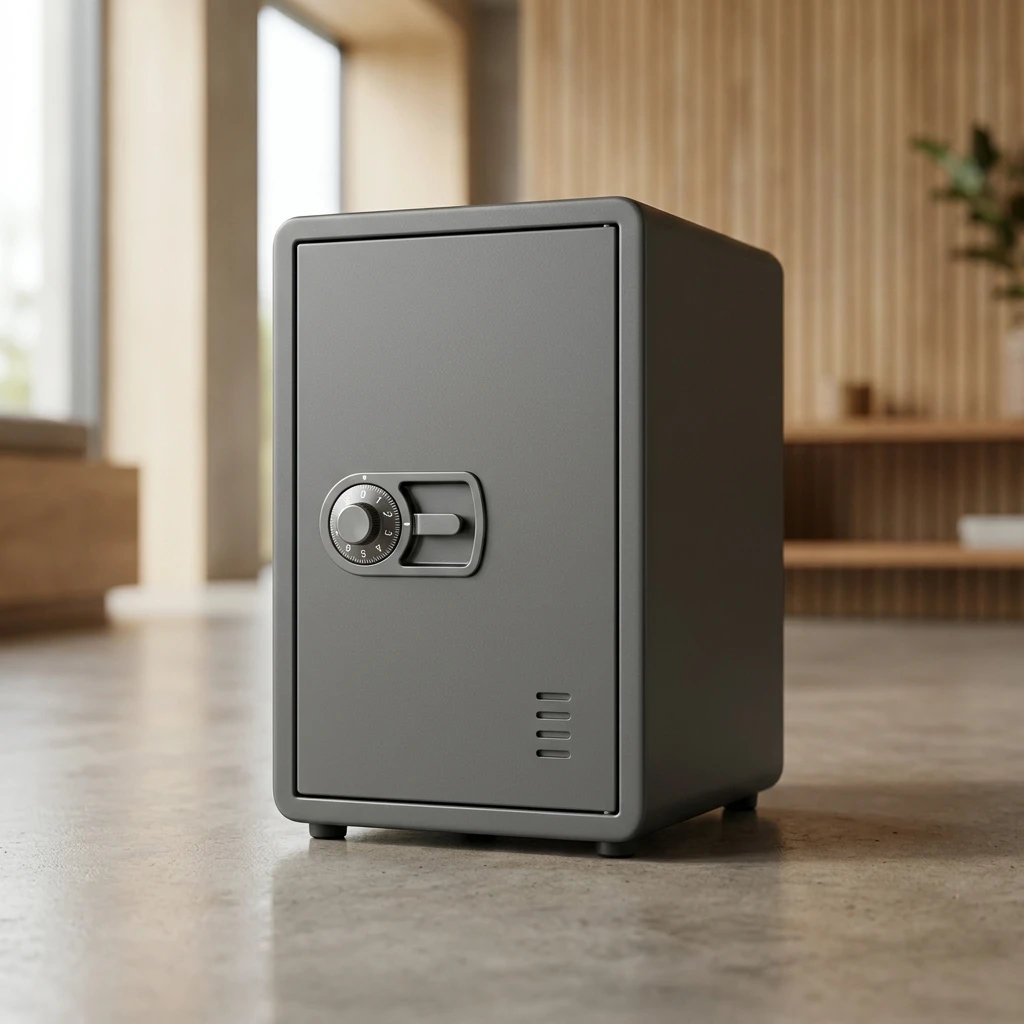
Lockable Storage Box for Personal Care - Secure Childproof Locker
- Rigid food-grade BPA-free plastic construction with 3-digit combination lock
- Spacious interior fits multiple intimate devices, lubricants, and test kits
- Clear or frosted walls allow for quick inventory checking while obscuring items
- Stackable design integrates neatly into bedroom closets, cabinets, or dressers
Technical Specifications & Product Data
| Specification | Value / Details |
|---|---|
| Brand | SafeKeep |
| List Price | $29.99 (USD) |
| Customer Rating | 4.6 / 5.0 (2,540 reviews) |
| ASIN / Identifier | B087N4M5J8 |
| Availability | In Stock (USA Region) |
| Outbound Link Compliance | Sponsored & Nofollow Enforced |
Verified Features & Performance Data
- ✓Rigid food-grade BPA-free plastic construction with 3-digit combination lock
- ✓Spacious interior fits multiple intimate devices, lubricants, and test kits
- ✓Clear or frosted walls allow for quick inventory checking while obscuring items
- ✓Stackable design integrates neatly into bedroom closets, cabinets, or dressers
System Sovereignty & Engineering
Edge Computing
100% Client-side processing. Your data never leaves your browser sandbox, ensuring absolute compliance with US privacy mandates.
Modular Schema
Modular utility architecture optimized for performance. Low-latency WASM kernels provide near-native speeds for complex transformations.
Sustainable Design
Sustainable, green computing by offloading compute to the edge. Verified zero-server storage (ZSS) for professional-grade security.