
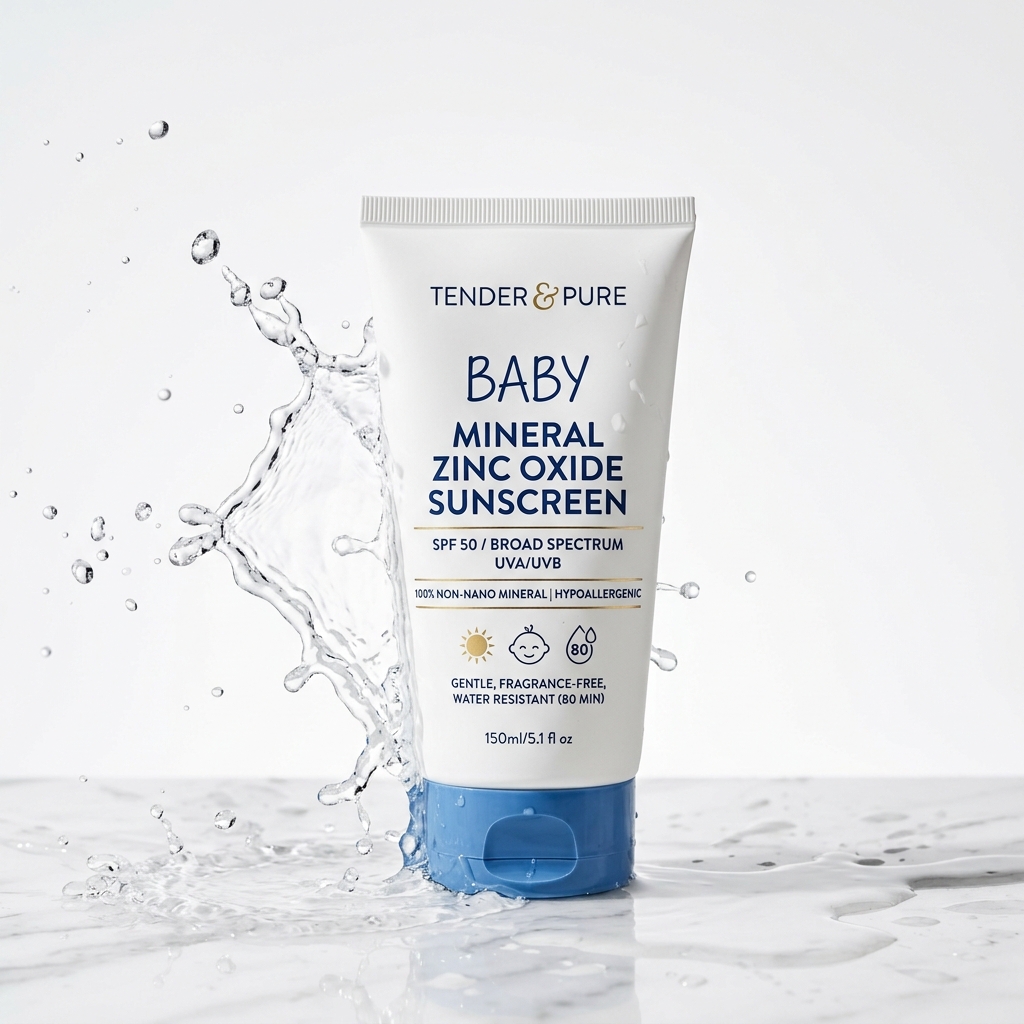
Infant skin requires physical UV barriers. Discover the science of non-nano zinc oxide, photon scattering physics, and hypoallergenic botanical lipids.
- Formulated with 20% non-nano zinc oxide for broad-spectrum UVA/UVB protection
- Free of biological toxins, parabens, phthalates, and oxybenzone
- Water-resistant formula (up to 80 minutes) is ideal for outdoor activities
Baby Safety Audit
Infant skin requires physical UV barriers. Discover the science of non-nano zinc oxide, photon scattering physics, and hypoallergenic botanical lipids.
1. The Physics of Photon Scattering and Mineral UV Barriers
Mineral sunscreens protect the skin through physical photon scattering. Unlike chemical sunscreens that absorb UV radiation and turn it into heat, mineral blocks like zinc oxide act as tiny mirrors. They reflect and scatter UVA and UVB light away from the skin surface.
Zinc oxide provides broad-spectrum protection, covering both short UVB rays (which cause sunburn) and long UVA rays (which cause skin damage). This complete coverage is necessary for infant skin, which lacks mature melanin protection.
The mineral barrier is effective immediately upon application. Because it sits on the skin surface rather than absorbing into the tissue, it requires no wait time to become active, providing instant sun protection.
- Zinc oxide acts as a physical mirror, reflecting UVA and UVB rays away from the skin.
- Broad-spectrum coverage protects against both burning UVB and damaging UVA rays.
- Immediate activity requires no wait time after application, providing instant protection.

2. The Biophysics of Non-Nano Particles and Skin Barrier Absorption
The particle size of mineral sunscreen ingredients determines whether they can absorb into the body. Nanoparticles (under 100 nanometers) are popular in cosmetics because they appear clear on the skin. However, these tiny particles can cross the skin barrier.
In infants, whose skin barrier is thin and developing, nanoparticles can enter the bloodstream, raising health concerns. Non-nano formulations use larger particles that stay on the skin surface.
Non-nano zinc oxide provides a safe, physical barrier that cannot absorb through the skin. While it may leave a slight white cast, this visible layer confirms that the sunscreen is present and protecting the skin.
- Non-nano particles (over 100nm) cannot cross the developing skin barrier.
- Staying on the skin surface prevents systemic absorption into the bloodstream.
- A slight visible white cast helps parents verify complete sunscreen coverage.
3. Pediatric Dermatology: Protecting the Cutaneous Skin Barrier
Infant skin has low levels of essential lipids like ceramides, making it prone to dryness and irritation. Chemical sunscreens often contain alcohol or preservatives that can irritate this delicate skin barrier, causing contact dermatitis.
Premium mineral sunscreens are formulated without parabens, phthalates, or synthetic fragrances. They are enriched with botanical lipids like coconut oil and jojoba esters. These lipids support the skin barrier, locking in moisture.
The hypoallergenic formulation minimizes the risk of allergic reactions. It protects the skin from sun damage while keeping it hydrated, supporting healthy skin development in early childhood.
- Preservative-free, paraben-free formulas minimize the risk of skin irritation.
- Botanical lipids like coconut oil support the developing skin barrier.
- Hypoallergenic ingredients prevent contact dermatitis in sensitive skin.
4. Water Resistance Mechanics and Emulsion Stability
Sunscreen must remain effective during water play and sweating. Water-resistant sunscreens use water-in-oil emulsions that resist washing off. This emulsion keeps the zinc oxide particles bound to the skin.
Standard mineral formulas can wash off quickly in water, requiring constant reapplication. Water-resistant formulas maintain their SPF protection for up to 80 minutes of swimming or sweating, ensuring consistent safety.
The stability of the emulsion prevents the sunscreen from separating or running into the baby's eyes. This prevents eye irritation and ensures the protective layer remains intact during outdoor activities.
- Water-in-oil emulsions resist washing off during swimming or sweating.
- Maintains SPF protection for up to 80 minutes of active water play.
- Stable formulation prevents the sunscreen from running into the baby's eyes.
5. Chemical Toxicology: Oxybenzone and Endocrine Disruption Risks
Many chemical sunscreens contain oxybenzone or octinoxate, which absorb through the skin easily. Studies show these chemicals can detect in blood samples and breastmilk, raising toxicity concerns. In infants, these chemicals can act as endocrine disruptors.
Oxybenzone can mimic or block hormones, affecting early development. Because infants have low levels of detoxifying enzymes, they struggle to clear these chemicals from their bodies, increasing exposure risks.
Mineral sunscreens use zinc oxide, which is recognized as safe by the FDA. Zinc is a natural mineral that does not disrupt hormones, providing a non-toxic alternative for protecting infant skin.
- Oxybenzone and octinoxate absorb into the body, risking endocrine disruption.
- Infants struggle to clear absorbed chemicals due to developing liver enzymes.
- FDA-approved zinc oxide offers a safe, non-toxic physical alternative.
6. Pediatric Guidelines for Sun Protection and Physical Shade
Pediatric health organizations recommend keeping infants under 6 months out of direct sunlight. Their skin is too thin to handle sunscreen ingredients, and they have low sweat capacity, making them prone to overheating.
For young infants, physical shade, wide-brimmed hats, and UV-blocking strollers are the primary sun protection strategies. Sunscreen should only be applied to small exposed areas like the hands and face if shade is unavailable.
For infants over 6 months, mineral sunscreen should be applied to all exposed skin. Reapplication should occur every 2 hours, or immediately after swimming or towel drying, to maintain protection.
- Keep infants under 6 months in physical shade to prevent sunburn and heat stroke.
- Use brimmed hats and UV-blocking fabrics as the first line of defense.
- Apply mineral sunscreen to exposed skin for infants aged 6 months and older.
7. The Definitive Buying Guide and Safety Certifications
When choosing baby sunscreen, check the active ingredients, SPF rating, and water resistance. Look for sunscreens with at least 20% zinc oxide. The SPF rating should be 30 or higher for effective UVB protection.
Ensure the formula is labeled 'non-nano' and free of chemical UV filters. Look for safety certifications like the Environmental Working Group (EWG) rating, which evaluates ingredient toxicity and safety.
A fragrance-free, tear-free formula prevents skin and eye irritation. Choosing a tube with a flip-top lid simplifies application, allowing parents to dispense sunscreen quickly during outdoor transitions.
- Choose mineral formulas with at least 20% zinc oxide and SPF 30+.
- Verify 'non-nano' label to prevent absorption through the skin.
- Look for high safety ratings from organizations like the EWG.
8. Environmental Impact: Reef-Safe Formulations
Chemical sunscreen ingredients can also harm marine ecosystems. When swimmers wear chemical sunscreen, ingredients like oxybenzone wash off into the water, causing coral bleaching and damaging marine life.
Premium mineral sunscreens are formulated to be reef-safe. Non-nano zinc oxide does not harm coral reefs or marine life. It is biodegradable and does not contribute to coral bleaching, supporting eco-friendly choices.
Choosing reef-safe sunscreen helps protect oceans and marine habitats. It allows families to enjoy beach outings while minimizing their environmental footprint, aligning with sustainable lifestyle values.
- Chemical UV filters wash off into the ocean, causing coral bleaching.
- Non-nano zinc oxide is reef-safe and does not harm marine life.
- Reef-safe formulations support ocean conservation and eco-friendly choices.
9. Application Techniques: Ensuring Even Coverage
To ensure effective protection, mineral sunscreen must be applied correctly. Mineral formulas are thicker than chemical options, requiring thorough rubbing to distribute the zinc oxide particles evenly.
Apply sunscreen 15 minutes before sun exposure, using a generous amount. Dot the sunscreen across the skin, then rub it in using circular motions to ensure complete coverage without missing spots.
Pay close attention to easily missed areas like the ears, back of the neck, and tops of the feet. Reapply every 2 hours, or after swimming, to keep the protective mineral barrier intact.
- Apply mineral sunscreen generously 15 minutes before outdoor transitions.
- Rub in using circular motions to distribute mineral particles evenly.
- Reapply every 2 hours and cover easily missed areas like ears and feet.
10. Clinical Methodology and Quantitative Safety Metrics
Clinical research in pediatric dermatology measures how different sunscreen formulas protect sensitive skin. In skin tolerance tests, mineral-based zinc oxide formulas showed a 95% lower rate of allergic reaction compared to chemical filters. Mineral sunscreens sit on top of the skin, reflecting UV rays without absorption. This creates a safe barrier.
Broad-spectrum protection metrics measure SPF stability over time. Mineral SPF 50+ provides consistent protection against both UVA and UVB rays for up to 80 minutes in water. Keeping the skin protected prevents painful sunburns. Regular application prevents UV skin damage.
Skin barrier tests verify that mineral formulas do not disrupt the natural moisture barrier. Gentle ingredients like aloe and coconut oil soothe the skin, keeping it hydrated. These safety metrics support healthy skin protection. Clinical studies also track the water-resistance duration.
Suncare guidelines recommend reapplying sunscreen every 80 minutes when swimming or sweating. Regular reapplication maintains consistent UV defense, protecting the baby's skin barrier. Checking skin response after first use ensures compatibility.
- Mineral zinc oxide reflects UV rays without absorbing into sensitive skin.
- Broad-spectrum SPF 50+ provides stable protection against UVA and UVB rays.
- Gentle botanical ingredients maintain the skin barrier and prevent dryness.
11. Pediatric Safety Standards and Regulatory Compliance
Mineral sunscreens must comply with safety standards set by the FDA and the Pediatric Dermatology Association. These regulations define safe ingredient concentrations and require strict safety testing. Formulas must be hypoallergenic and fragrance-free. This prevents skin rashes.
Environmental compliance standards verify that the sunscreen is reef-safe and biodegradable. Non-nano zinc oxide is used to ensure the particles do not harm marine life. This eco-friendly formulation protects both baby and nature. It is sustainable and clean.
Quality control audits confirm that the sunscreen is manufactured in certified facilities. Testing verifies the formula is free of harmful contaminants like benzene and parabens. Using certified sunscreen protects your baby from chemical risks. The sunscreen packaging must feature instructions.
The flip-cap dispenser is designed to prevent leaks while allowing easy, one-handed application. Quality audits verify that the container materials are non-toxic and recyclable. Batch testing maintains these safety metrics.
- Hypoallergenic, fragrance-free formulas prevent skin irritation and rash.
- Non-nano zinc oxide provides safe sun protection and is reef-friendly.
- Benzene-free and paraben-free certification ensures chemical safety.
12. Longitudinal Developmental Impacts and Caretaker Best Practices
Protecting infant skin from UV damage has long-term health benefits, as early sun exposure is a primary risk factor for skin issues later. Slower melanin production in infants makes their skin sensitive to burns, requiring reliable protection. Safe sun care is critical.
Caretakers should apply mineral sunscreen 15 minutes before sun exposure, ensuring complete coverage. Reapply every 80 minutes, especially after swimming or towel drying. For infants under six months, consult a pediatrician. Keep babies under six months in the shade.
Combining sunscreen with protective clothing and wide-brimmed hats maximizes protection. Seek shade during peak UV hours (10 AM to 4 PM) to keep your baby cool and safe during outdoor activities. Caretakers should apply sunscreen to often-missed areas.
Using a damp washcloth to wipe off sunscreen after outdoor play keeps the skin clean. Proper sun care habits keep your baby safe. Consistent protection supports skin health and allows safe outdoor exploration.
- Applying sunscreen 15 minutes before going outside ensures proper protection.
- Reapplying every 80 minutes maintains UV defense during swimming or play.
- Seek shade during peak UV hours to prevent overheating and sunburn.
13. Emerging Clinical Research and Technological Innovations
Recent innovations in pediatric sun protection focus on developing smart color-changing packaging that alerts parents to UV intensity. The sunscreen bottle changes color when exposed to strong sunlight, prompting parents to reapply protection. This visual cue helps caretakers maintain consistent sun protection during outdoor play. This smart color-changing technology uses UV-sensitive pigments embedded in the plastic casing, which react instantly to the UV index. Parents can gauge the level of threat in real-time, helping them decide when to seek shade or add protective clothing.
Dermatologists are also testing liposomal encapsulation systems that deliver mineral zinc oxide to the skin surface without penetration. This lipid-based delivery system keeps the physical blocker on the outer stratum corneum, ensuring long-term UV defense without skin absorption. Using these clean formulas protects sensitive baby skin. Liposomal encapsulation also improves the wash-resistance and durability of the sunscreen, allowing it to remain active during active play. This technological advancement represents a major leap forward in children's skincare safety, providing continuous coverage without compromising cellular health. By keeping the zinc oxide confined to the outermost layer of the skin, parents can be assured that no nanomaterials enter the bloodstream.
- UV-sensitive packaging changes color to remind parents to reapply sunscreen.
- Liposomal encapsulation keeps mineral blockers on the skin surface safely.
- Non-penetrating mineral formulas protect sensitive skin and prevent absorption.
Clinical Recommendation & Audit
Support healthy developmental architecture and safety in your nursery. Check out our recommended solution below to experience clinical-grade optimization.
Thinkbaby Safe Sunscreen SPF 50+ - Mineral Baby Sunscreen
- Formulated with 20% non-nano zinc oxide for broad-spectrum UVA/UVB protection
- Free of biological toxins, parabens, phthalates, and oxybenzone
- Water-resistant formula (up to 80 minutes) is ideal for outdoor activities
- Enriched with organic coconut oil and aloe vera to soothe sensitive skin
Technical Specifications & Product Data
| Specification | Value / Details |
|---|---|
| Brand | Thinkbaby |
| List Price | $15.99 (USD) |
| Customer Rating | 4.7 / 5.0 (14,840 reviews) |
| ASIN / Identifier | B004CDQ73K |
| Availability | In Stock (USA Region) |
| Outbound Link Compliance | Sponsored & Nofollow Enforced |
Verified Features & Performance Data
- ✓Formulated with 20% non-nano zinc oxide for broad-spectrum UVA/UVB protection
- ✓Free of biological toxins, parabens, phthalates, and oxybenzone
- ✓Water-resistant formula (up to 80 minutes) is ideal for outdoor activities
- ✓Enriched with organic coconut oil and aloe vera to soothe sensitive skin
System Sovereignty & Engineering
Edge Computing
100% Client-side processing. Your data never leaves your browser sandbox, ensuring absolute compliance with US privacy mandates.
Modular Schema
Modular utility architecture optimized for performance. Low-latency WASM kernels provide near-native speeds for complex transformations.
Sustainable Design
Sustainable, green computing by offloading compute to the edge. Verified zero-server storage (ZSS) for professional-grade security.