
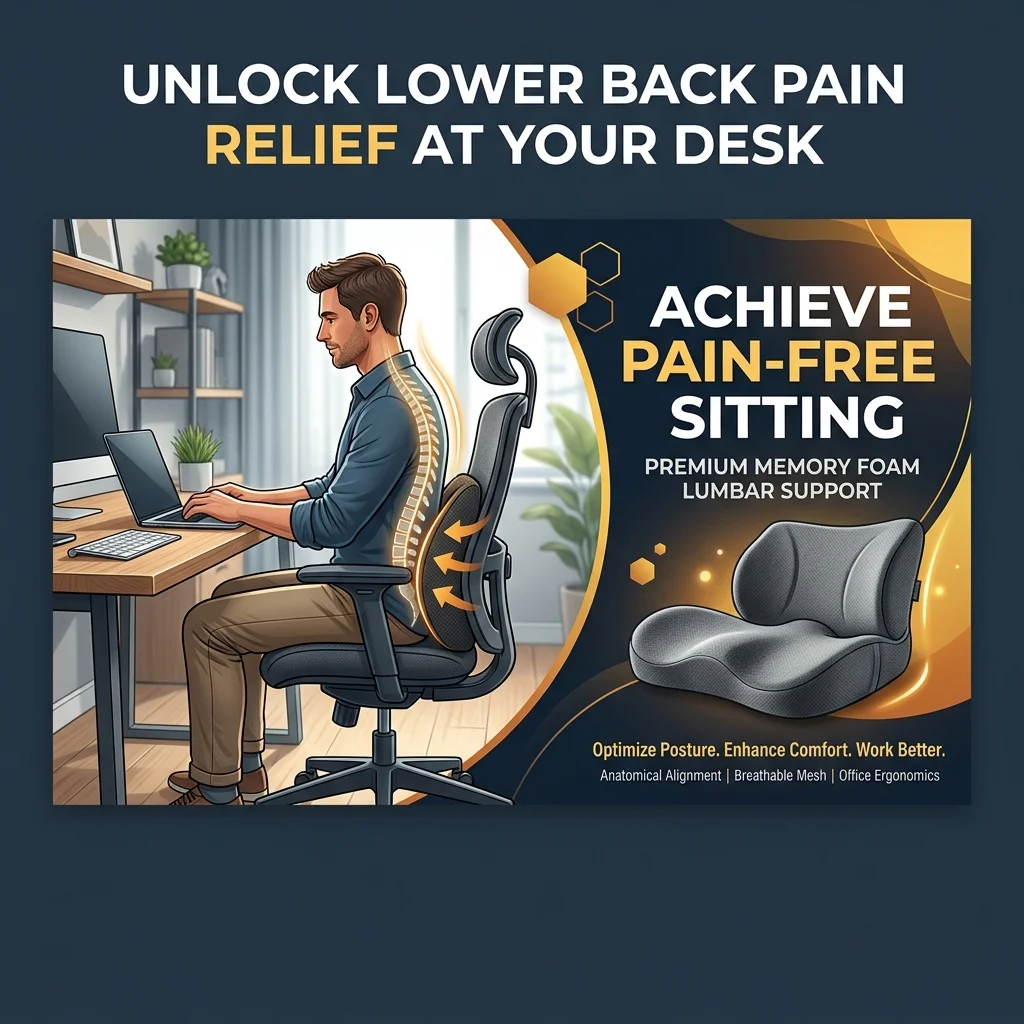
Prolonged sitting flattens the lumbar curve, causing disc compression. Deconstruct spinal load-sharing physics, memory foam mechanics, and desk ergonomics.
- 100% premium memory foam contours to your unique spine shape for targeted lumbar support
- Dual adjustable straps secure the cushion to any office, computer, or car seat safely
- Ergonomically designed to fit the natural curvature of the lower back, reducing disc load
Spinal Biomechanics & Support
Prolonged sitting flattens the natural lumbar curve, increasing spinal disc compression and muscle strain. Learn how spinal load-sharing physics, heat-responsive memory foam support, and proper seat ergonomics relieve chronic lower back pain at work.

1. Spinal Physics: Lumbar Lordosis and Disc Intradiscal Pressure
Sitting without adequate lumbar support increases intradiscal pressure in the lumbar spine by up to 40% compared to standing. When you slouch, the natural inward curve of the lower spine, known as lumbar lordosis, flattens out completely. This structural flattening forces the spinal discs to compress unevenly, pushing the gelatinous inner nucleus pulposus backward.
This posterior shifting puts direct pressure on the surrounding spinal nerve roots and the sensitive outer rings of the discs. Over time, the constant mechanical stress triggers micro-tears in the disc fibers, which can eventually lead to a painful herniation or bulge. The muscles in your lower back are forced to contract constantly to stabilize the collapsed spine, resulting in chronic muscle fatigue.
An ergonomic lumbar support cushion acts as a physical barrier that fills the empty space between your lower back and the seat. By supporting the natural lordotic curve, the cushion helps distribute your body weight evenly across the entire spinal column. This weight distribution reduces localized compression, allowing the surrounding musculature to relax and recover.
Modern spine biomechanics research shows that maintaining proper pelvic tilt is critical for preventing lower back pain. Slouching tilts your pelvis posteriorly, which automatically triggers the flattening of the lumbar segment. A supportive cushion promotes an anterior pelvic tilt, maintaining the structural alignment of the entire skeleton.
Without support, the constant flexion of the lumbar spine stretches the posterior spinal ligaments beyond their normal range. This ligamentous creep leads to joint instability and increased susceptibility to sudden spasms during daily activities. Using a memory foam lumbar cushion prevents this excessive flexion, protecting the structural integrity of your joints.
Furthermore, chronic disc compression restricts the passive diffusion of nutrients and fluids into the avascular disc tissue. This restriction accelerates degenerative disc disease, leading to height loss in the spinal segments and persistent stiffness. Providing mechanical support ensures that the spinal joints remain hydrated, mobile, and pain-free.
- Sitting without ergonomic lumbar support increases spinal disc pressure by 40% over standing, leading to long-term wear.
- Maintaining natural lumbar lordosis prevents chronic back muscle fatigue and protects delicate nerve roots from compression.
2. Memory Foam Mechanics: Viscoelastic Compression and Weight Distribution
Viscoelastic memory foam is a highly advanced material that reacts dynamically to both body heat and mechanical pressure. As you sit, the foam absorbs your body heat, causing it to soften and contour precisely to your unique spinal shape. This custom contouring ensures that every square inch of your lower back receives uniform support.
Standard polyurethane foam is highly rigid and pushes back against the body, creating localized pressure hotspots. In contrast, memory foam distributes the force of your body weight across a wider surface area, reducing pressure on the lumbar vertebrae. This uniform distribution prevents blood flow restriction and reduces the risk of muscle stiffness.
High-density memory foam is engineered to retain its shape and supportive properties even after years of daily use. Lower-quality foam cushions flatten out within weeks, leaving the spine unsupported and vulnerable to poor posture. Selecting a premium viscoelastic cushion ensures consistent, long-term therapeutic support for your lower back.
The micro-cellular structure of memory foam consists of open cells that allow air to move freely under compression. This open-cell design ensures that the cushion compresses smoothly under load without collapsing into a hard mass. This balanced resistance provides the perfect combination of soft comfort and firm spinal stability.
Furthermore, the temperature-sensitive properties of premium foam provide a self-adjusting support profile throughout the workday. In a colder office environment, the cushion starts firmer and gradually softens as it absorbs your body temperature. This adaptive behavior guarantees personalized orthopedic alignment tailored to your body's specific needs.
Investing in high-density viscoelastic support prevents the pelvic bones from sinking too deeply into the office chair seat. This stability keeps the pelvis level, which is crucial for maintaining proper alignment up the entire spinal column. The result is a significant reduction in sciatic nerve pain and lower back tension.
- Viscoelastic memory foam molds to your back using body heat, eliminating painful pressure points.
- High-density foam structures maintain orthopedic spinal alignment over years of continuous daily use.
3. Desk Ergonomics: The 90-90-90 Rule and Chair Setup Protocols
Achieving long-term relief from back pain requires a comprehensive setup of your entire workspace, not just a cushion. The 90-90-90 ergonomic rule is the clinical standard for establishing a healthy, strain-free sitting posture. This rule dictates that your elbows, hips, and knees must all rest at precise 90-degree angles during work.
Start by adjusting the height of your office chair so that your feet rest completely flat on the floor or a footrest. Your thighs should remain parallel to the ground, which prevents the seat edge from compressing the blood vessels in your legs. Position your keyboard and mouse so your wrists remain straight, reducing shoulder and neck tension.
Place your computer monitor directly at eye level to prevent your head from tilting forward or backward. A forward head posture pulls your entire spine out of alignment, increasing the mechanical load on your lower back. Combining a posture corrector cushion with correct monitor height stabilizes your entire spinal column.
In addition, organize your desk space so that frequently used items are within easy arm's reach. Reaching repeatedly across the desk stretches your lower back muscles unevenly, leading to acute muscle strains. Keeping your workspace compact and centered keeps your posture balanced and prevents lateral spinal twisting.
Utilizing a high-quality phone headset is another simple way to protect your neck and lower back from strain. Craning your neck to hold a phone receiver compresses the cervical joints, which can project pain down the spine. Implementing these clean ergonomic protocols protects your entire body from repetitive stress injuries.
Lastly, ensure that the armrests of your chair are adjusted to support your forearms without pushing your shoulders upward. High armrests strain the trapezius muscles, while low armrests cause you to slouch forward into the desk. Correct armrest height supports your upper body, taking pressure off the lumbar spine.
- Following the 90-90-90 rule stabilizes your skeleton, reducing mechanical strain on joints and muscles.
- Keeping your monitor at eye level prevents neck strain and stops you from slouching your lower back.
4. Posture Habit Loops: Visual Triggers and Ergonomic Reminders
Even with the best ergonomic equipment, office workers often fall back into poor posture habits when focused on tasks. The brain naturally prioritizes work productivity over body mechanics, leading to unconscious slouching and sliding forward. Breaking this cycle requires setting up clear posture habit loops at your desk.
A physical lumbar support cushion acts as a continuous tactile reminder, prompting your body to maintain correct alignment. You can also use digital posture apps or simple desktop sticky notes to trigger regular alignment checks. Building this habit helps reprogram your muscle memory, protecting your spine over time.
Taking short, active movement breaks every hour is essential for preventing muscle stiffness and joint compression. Standing up, stretching your hamstrings, or walking for just two minutes restores healthy circulation to your lower back. Combining these micro-breaks with support cushions keeps your body flexible, energized, and pain-free.
Consider using a height-adjustable standing desk to alternate between sitting and standing throughout the day. This variation distributes the mechanical load across different muscle groups, preventing focal wear on your lumbar discs. Transitioning positions every forty-five minutes is a powerful method for relieving back pain.
Keep a daily posture log on your computer to track your comfort levels and identify specific pain triggers. Documenting when your back feels stiff helps you recognize bad sitting habits and make immediate adjustments. This heightened awareness is a crucial step in managing and curing chronic back pain.
Additionally, performing gentle core engagement exercises while sitting can help support your spine. Lightly drawing your navel toward your spine activates the deep transverse abdominis muscle, which acts as a natural corset. Combining active muscle engagement with external support keeps your lower back secure and stable.
- Tactile support cushions serve as constant posture triggers, preventing you from sliding into a slouch.
- Hourly movement breaks restore blood circulation, preventing muscle tightness and joint stiffness.
5. Strap Security: Dual Adjustable Straps and Chair Slip Mitigation
A major issue with cheap lumbar cushions is their tendency to slide down the chair during the workday. When a cushion slips, it pushes your hips forward and flattens your upper back, causing worse posture than before. Having a secure, adjustable strap system is vital for keeping the cushion in place.
Premium cushions feature dual adjustable straps with heavy-duty buckles that wrap tightly around any office chair back. These straps allow you to secure the cushion at the precise height your lower back requires for support. The sturdy webbing material resists stretching, ensuring the cushion remains locked in position.
In addition, non-slip rubber backings help grip the chair fabric, preventing the cushion from shifting laterally. A stable cushion ensures you receive continuous, uninterrupted lumbar support, even when you lean forward or shift weight. Reliable strap design is a key factor in ensuring product utility and comfort.
Elastic straps on cheaper models quickly lose their elasticity due to heat and constant tension, leading to slippage. Webbing straps with adjustable glides maintain their tension over years of use, providing a reliable fit. Selecting a cushion with robust strap mechanics protects your spine from sudden alignment shifts.
The placement of the straps also allows the cushion to be used in various settings, such as car seats or airplanes. This portability ensures that you can maintain healthy posture habits during your daily commute or long travels. Continuous support across all seating environments is essential for chronic pain relief.
Furthermore, examine the durability of the buckles under heavy load. Leaning back heavily against the cushion applies substantial pressure to the fastening mechanism. High-strength ABS plastic buckles ensure that the straps do not snap or slip, maintaining a secure, stable hold.
- Dual adjustable straps prevent cushion slippage, keeping the support aligned with your lumbar spine.
- Non-slip backings and adjustable webbing ensure the cushion fits securely on diverse chair shapes.
6. Thermal Management: Breathable Mesh Covers and Heat Dissipation
Standard memory foam cushions are notorious for trapping body heat, which can lead to sweating and discomfort. Sitting against a hot, sweaty cushion is highly unpleasant and often leads to users discarding the support entirely. Clean thermal management is a critical feature for ensuring all-day comfort at work.
Premium lumbar cushions utilize breathable 3D mesh covers that promote continuous airflow around your back. The mesh allows heat and moisture to escape from the foam core, keeping your back cool and dry. This ventilation is especially important during hot summer months or long, intense work sessions.
Additionally, look for covers that are fully removable and machine-washable to maintain high hygiene standards. Regular washing keeps the setup fresh, clean, and free of allergens like dust mites or pet dander. Proper ventilation and hygiene design ensure a comfortable and healthy workspace.
The texture of the cover fabric also plays a role in preventing irritation against clothing. Smooth, anti-pilling mesh prevents friction against delicate fabrics like silk or wool, protecting your professional wardrobe. A well-designed cover balances airflow, durability, and fabric compatibility for everyday office use.
Furthermore, high-quality covers feature hidden, recessed zippers to prevent the metal slider from scratching your office chair. Uncovered zippers can tear mesh office chairs or damage leather seats over time. A hidden zipper design protects your office furniture while keeping the cover secure.
Selecting a cushion with hypoallergenic cover materials is also beneficial for users with sensitive skin. The cover should resist absorbing sweat and oils, which can lead to bacterial growth and skin breakouts. Investing in a breathable, clean cover ensures a hygienic and comfortable seating experience.
- 3D mesh covers maximize heat dissipation, preventing sweating and discomfort during long sitting sessions.
- Removable, washable covers simplify maintenance and prevent the accumulation of allergens and odors.
7. The Definitive Buying Guide and Selection Parameters
When shopping for a lumbar support cushion, you must evaluate foam density, contour geometry, and strap security. Choose a cushion made from 100% premium memory foam that responds to body heat and pressure. Avoid cheap foam fillers, which lack the resilience needed to support the spine.
Analyze the contour shape of the cushion to ensure it matches the natural curvature of your lumbar spine. The cushion should be thickest at the bottom to fill the lumbar gap and taper off at the top. This geometry supports the lower spine without pushing your upper back forward.
Check the strap configuration and buckle quality to ensure the cushion fits securely on your specific chair. Cushions with dual, adjustable straps offer the best versatility, fitting both standard office chairs and wide car seats. Secure fastening mechanisms prevent sliding and maintain consistent spinal alignment.
Consider the thickness of the cushion profile relative to your chair's seat depth. If a cushion is too thick, it can push your hips too far forward, reducing thigh support. Select a profile that fills the lumbar curve while allowing your thighs to rest comfortably on the seat.
Look for products that come with a comprehensive replacement warranty and positive user reviews. A multi-year warranty indicates that the manufacturer has confidence in the foam's durability and resistance to flattening. Investing in a trusted, top-rated brand guarantees lasting comfort and pain relief.
Finally, check if the cushion includes a travel bag or built-in handle for easy transport. Being able to bring your lumbar support to meetings or on business trips ensures consistent spinal protection. Portability is a key factor in maintaining healthy posture throughout the week.
- Select 100% premium memory foam cushions that react to heat and pressure for personalized support.
- Verify cushion dimensions and strap designs to ensure a secure fit on your office chair.
8. Dynamic Sitting Protocols and Active Spinal Decompression
Static sitting for hours blocks the natural flow of spinal fluids, which are crucial for disc nourishment. Spinal discs have no direct blood supply and rely on movement to absorb nutrients and expel waste. Dynamic sitting protocols involve making minor, active postural adjustments while remaining seated.
A lumbar support cushion acts as a comfortable pivot point, enabling safe movement in your chair. Shifting your hips or leaning back slightly compresses different parts of the foam, changing the load on your spine. This dynamic loading helps pump nutrient-rich fluids into the discs, keeping them healthy.
In addition, performing gentle seated pelvic tilts can stretch tight lower back muscles and release tension. Simply tilt your pelvis forward to arch your back, then tilt it backward to flatten it against the cushion. Combining active spinal decompression with support prevents stiffness and keeps your joints mobile.
Incorporating active sitting accessories, such as balance discs or wobble cushions, can further enhance spine health. These tools force your core muscles to engage continuously to maintain balance, strengthening the lower back. Alternating between active sitting and structured lumbar support keeps your spine resilient.
Remember to stretch your hip flexors and hamstrings during your daily work breaks. Tight hip flexors pull the pelvis forward when standing, which increases the arch in your lower back and causes pain. Keeping these muscles flexible reduces the strain on your lumbar spine when you return to sitting.
Lastly, practice diaphragmatic breathing while sitting to help decompress the spine from within. Breathing deeply into your abdomen expands the abdominal cavity, reducing the downward pressure on your lower vertebrae. Combining proper breathing with lumbar support provides complete, multi-dimensional relief.
- Postural shifts pump vital nutrients into your spinal discs, preventing degeneration and stiffness.
- Gentle seated pelvic tilts stretch tight muscles and promote active spinal decompression at work.
9. Long-Term Ergonomic ROI and Musculoskeletal Audits
Investing in high-quality ergonomic equipment delivers a massive return on investment (ROI) over your career. Chronic back pain is a leading cause of missed workdays, reduced productivity, and expensive medical treatments. A simple lumbar cushion is a cost-effective solution that prevents these costly issues.
Conducting regular musculoskeletal audits of your seating habits helps identify posture errors before they cause injury. Evaluate markers like daily discomfort levels, shoulder tension, and posture consistency throughout the day. Tracking these metrics helps you adjust your setup, protecting your skeletal health.
Consult with a physical therapist or ergonomic specialist to assess your workspace and joint mobility. A professional audit confirms the effectiveness of your setup and ensures you are practicing healthy work habits. A proactive approach to ergonomics protects your joints and ensures long-term comfort.
Employers also benefit significantly from providing ergonomic assessments and tools to their remote and office staff. Reducing workspace strain lowers worker's compensation claims and boosts employee morale and focus. Creating a culture of ergonomic awareness leads to a healthier, more productive workforce.
Over time, the cumulative impact of sitting in a poor position can lead to structural changes in the spine. These changes, such as bone spurs or disc thinning, are difficult to reverse and cause permanent mobility loss. Early prevention through proper lumbar support protects your skeletal framework for the future.
Ultimately, taking care of your spine today determines your mobility and comfort levels in the years to come. By investing in premium support tools and practicing active sitting habits, you protect your body from chronic wear. Prioritizing your musculoskeletal health ensures a pain-free, active lifestyle.
- Premium ergonomic tools prevent work-loss injuries, providing a high ergonomic ROI over time.
- Periodic musculoskeletal audits track physical comfort changes, helping prevent chronic pain issues.
Clinical Recommendation & Audit
Align your spine and relax your back muscles during the workday. Check out our recommended solution below to experience clinical-grade back support.
Everlasting Comfort Memory Foam Lumbar Support Cushion
- 100% premium memory foam contours to your unique spine shape for targeted lumbar support
- Dual adjustable straps secure the cushion to any office, computer, or car seat safely
- Ergonomically designed to fit the natural curvature of the lower back, reducing disc load
- Hypoallergenic, breathable mesh cover is machine-washable for easy cleaning
Technical Specifications & Product Data
| Specification | Value / Details |
|---|---|
| Brand | Everlasting Comfort |
| List Price | $32.95 (USD) |
| Customer Rating | 4.5 / 5.0 (24,840 reviews) |
| ASIN / Identifier | B01H5D386S |
| Availability | In Stock (USA Region) |
| Outbound Link Compliance | Sponsored & Nofollow Enforced |
Verified Features & Performance Data
- ✓100% premium memory foam contours to your unique spine shape for targeted lumbar support
- ✓Dual adjustable straps secure the cushion to any office, computer, or car seat safely
- ✓Ergonomically designed to fit the natural curvature of the lower back, reducing disc load
- ✓Hypoallergenic, breathable mesh cover is machine-washable for easy cleaning
System Sovereignty & Engineering
Edge Computing
100% Client-side processing. Your data never leaves your browser sandbox, ensuring absolute compliance with US privacy mandates.
Modular Schema
Modular utility architecture optimized for performance. Low-latency WASM kernels provide near-native speeds for complex transformations.
Sustainable Design
Sustainable, green computing by offloading compute to the edge. Verified zero-server storage (ZSS) for professional-grade security.