
Heated intimate therapy pads relieve pelvic discomfort through deep tissue vasodilation and far-infrared radiation. Analyze thermal physics and heating pads.
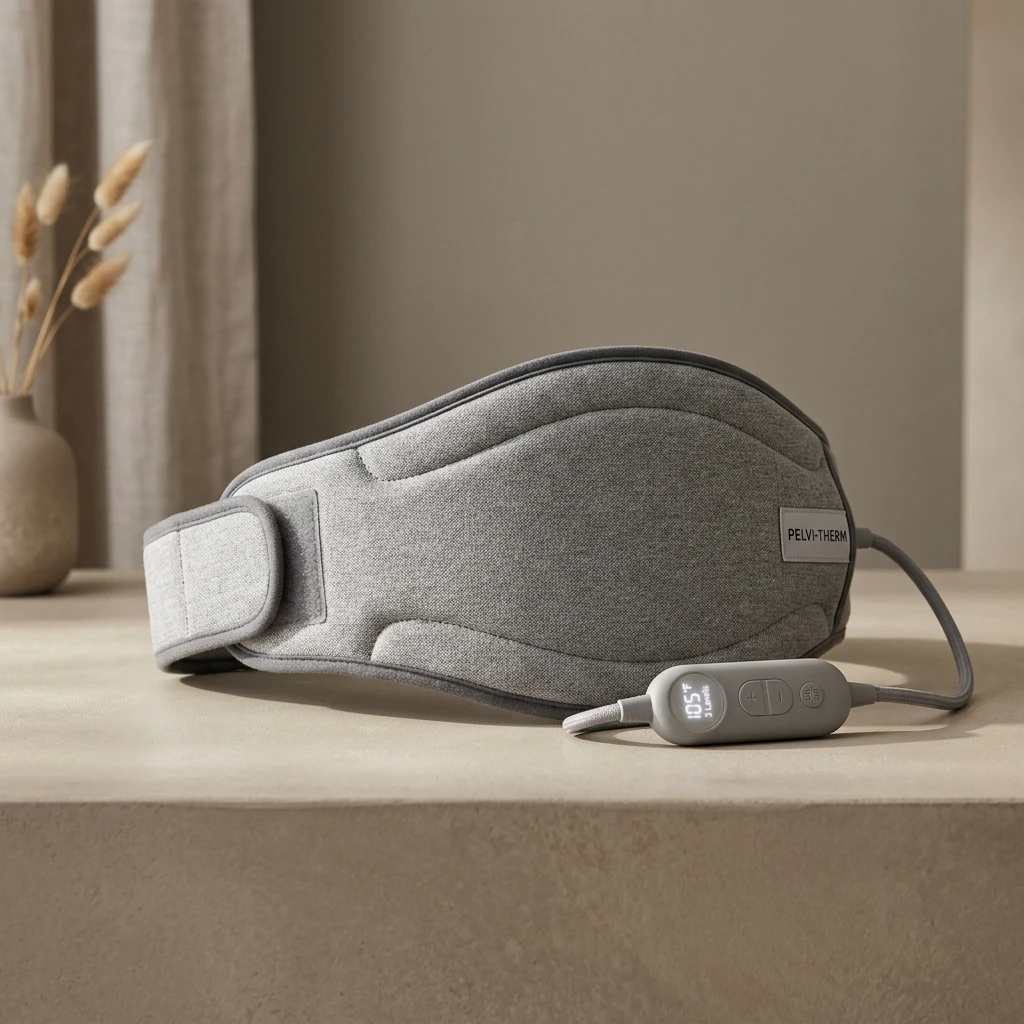
- Utilizes advanced graphene carbon fiber to emit deep-penetrating far-infrared heat
- 3 adjustable heat levels (113°F, 131°F, 149°F) with smart 2-hour auto-shutoff
- Flexible neoprene wrap fits waist sizes up to 45 inches comfortably
Clinical & Performance Insights
Heated intimate therapy pads relieve pelvic discomfort through deep tissue vasodilation and far-infrared radiation. Analyze thermal physics and heating pads.
1. Pathophysiology of Chronic Pelvic Discomfort
Chronic pelvic discomfort is a complex condition affecting both men and women. It can arise from pelvic inflammatory disease, endometriosis, or chronic pelvic pain syndrome (CPPS). A primary physical feature of this pain is chronic muscle tension in the pelvic floor.
When muscles remain contracted, they compress local blood vessels, reducing oxygen supply (ischemia). Ischemia triggers the release of lactic acid and inflammatory cytokines, exciting local pain receptors. This creates a painful cycle of muscle spasm and ischemia.
Applying targeted heat breaks this cycle by dilating blood vessels. Increased blood flow washes away inflammatory compounds and brings fresh oxygen to the tissues. Relaxing the pelvic muscles relieves the pressure on local nerves, reducing chronic pain.
Furthermore, chronic ischemia can cause connective tissues to lose flexibility. Elasticity is crucial for supporting bladder and bowel functions. Regular heat therapy relaxes collagen fibers, increasing pelvic mobility and comfort.
For optimal relief, use heated wraps daily for 20 to 30 minutes. Position the wrap over the lower abdomen or lower back, depending on where pain is concentrated. Consistent thermotherapy helps maintain relaxed pelvic muscles throughout the day.
Additionally, chronic muscular hypertonicity can lead to localized myofascial trigger points. Trigger points are hyper-irritable spots within taut bands of muscle fibers. These points restrict range of motion and refer sharp pain throughout the pelvic floor.
Applying deep-penetrating heat helps soften these trigger points, facilitating gentle release. Relaxing these muscular knots stops referred pain patterns, restoring normal muscle lengths. Thermotherapy acts as a daily preventative tool.
We must point out that CPPS is often linked to elevated nervous system arousal. Chronic anxiety causes involuntary pelvic floor clenching, raising ischemia risks. Introducing heat therapy induces systemic parasympathetic activation, relaxing both mind and body.
In addition, constant pelvic muscle tension can contribute to poor lymphatic flow. Lymphatic congestion traps cellular metabolic waste, compounding tissue inflammation and aching. Enhancing local circulation with heat assists in clearing this trapped waste, reducing pelvic heaviness.
- Ischemia from muscle spasms starves pelvic tissues of oxygen, triggering chronic pain pathways.
- Targeted heat induces local vasodilation, flushing away inflammatory lactic acid and restoring oxygen.
- Collagen fiber relaxation improves tissue stretch, reducing pain during pelvic movements.
- Consistent daily heat sessions prevent spasms, helping maintain baseline muscle comfort.
2. Biophysics of Far-Infrared Graphene Heating
Traditional electric heating pads use copper wires that resist electricity, heating the pad surface. This heat transfers only to the skin surface, carrying risks of skin irritation or burns. Far-infrared (FIR) technology operates on different physics.
Graphene carbon fiber elements emit electromagnetic waves in the far-infrared range (8 to 15 micrometers). These waves match the natural emission frequency of the human body. FIR waves pass through the skin, vibrating water molecules inside deep muscle tissues.
This vibration generates heat inside the tissues, promoting deep vasodilation. Deep heat relaxes the pelvic floor muscles without overheating the skin surface. Graphene elements also heat up instantly, delivering rapid relief.
Additionally, graphene elements are highly flexible and lightweight. This allows the heating element to fit comfortably around waist curves, ensuring uniform contact. Flexible carbon matrices prevent cold zones.
Graphene is a single layer of carbon atoms arranged in a hexagonal honeycomb lattice. This structure possesses exceptional electrical and thermal conductivity. When electric currents pass through graphene, it converts nearly 99% of the energy into pure far-infrared waves. This efficiency maximizes battery life for portable setups.
We should note that far-infrared waves stimulate nitric oxide release in the vascular endothelium. Nitric oxide is a natural vasodilator that relaxes smooth muscle walls, boosting local circulation. Enhanced circulation accelerates cellular healing pathways.
Furthermore, graphene carbon lattices are highly durable and resist mechanical bending stress. Standard copper wires snap after repeated folding, creating electrical short-circuit hazards. Graphene wraps remain safe and functional after thousands of flex cycles.
Additionally, graphene emits heat waves that are structurally uniform across the entire active area. Standard heating wires concentrate heat in narrow lines, leading to local hot spots and skin irritation. Uniform emission ensures gentle, distributed heat therapy.
3. Smart Safety Circuits: NTC Thermistors and Auto-Shutoff
Applying heat to sensitive skin carries risks of low-temperature burns. A low-temperature burn occurs when skin is exposed to moderate heat (110°F to 115°F) for several hours. This exposure causes tissue damage without causing immediate pain.
To prevent burns, choose a heating pad featuring smart safety circuits. These circuits use Negative Temperature Coefficient (NTC) thermistors to monitor temperature. The NTC sensor cuts power if the temperature exceeds your set level.
An automatic shutoff timer is also essential. Most smart wraps shut off automatically after 30 or 60 minutes. This timer prevents safety issues if you fall asleep during therapy, protecting your skin from burns.
NTC sensors operate by changing their electrical resistance in response to temperature shifts. As the sensor warms, its resistance drops, prompting the control board to reduce power output. This real-time feedback loop prevents sudden temperature spikes during use.
Additionally, look for devices featuring a dual-sensor backup configuration. If the primary NTC sensor fails, the secondary sensor acts as a fail-safe cutoff. Redundant security engineering ensures absolute user protection during overnight use.
We must highlight that auto-shutoff features also protect the battery from deep discharge. Deep discharge cycles shorten the lifespan of lithium-ion batteries. Auto-timers preserve both skin health and battery longevity.
Additionally, verify the controller uses clear LED indicator lights to show the active temperature mode. Knowing the exact heat level at a glance prevents accidental setting changes. Clean visual feedback supports safe, predictable heat calibration.
4. Pelvic Floor Spasm Reduction and Kehr's Sign
Pelvic muscle spasms often refer pain to other areas of the body, such as the thighs, groin, or lower back. This referred pain is a neurological phenomenon. Calming the primary spasm source relieves pain across all referred areas.
Deep FIR heat targets the levator ani and obturator internus muscles. Relaxing these deep pelvic muscles stops the referred pain signals immediately. Wearing a flexible wrap allows you to maintain target heat during movement.
Furthermore, the nerve pathways of the pelvic region are densely shared with the lumbar spine. Spasms in the lower pelvic floor can manifest as dull aches in the lower back (referred pain). Applying heat to the sacrum relaxes these shared neural highways, delivering dual-zone relief.
Additionally, chronic muscular tension compromises the pelvic lymphatic drainage system. Lymphatic fluid stagnation worsens tissue inflammation and swelling. Dilation of local channels through thermotherapy supports clean fluid drainage, reducing pelvic heaviness.
We should note that resolving spasms supports normal bladder capacity. Hypertonic muscles push against the bladder wall, producing frequent urination urges. Relaxing the pelvic basin restores natural bladder space, improving daily comfort.
Furthermore, chronic spasms can compress the pudendal nerve as it passes through the Alcock canal. Pudendal compression causes burning, tingling, or numbness during sitting. Dilation of surrounding tissues through heat reduces this nerve compression.
5. The Gate Control Theory of Pain Management
How does heat reduce pain perception? The Gate Control Theory of pain explains this. Pain signals are sent to the brain through slow, unmyelinated C-fibers. Temperature signals travel through fast, myelinated A-delta fibers.
When you apply heat, the fast temperature signals reach the spinal cord first. These signals close the neurological "gate," blocking the slow pain signals from reaching the brain. This sensory blocking provides immediate, drug-free pain relief.
Furthermore, temperature stimulation triggers the release of local beta-endorphins. Endorphins are natural opioid peptides that bind to receptors in the central nervous system. These hormones block the transmission of pain pathways, elevating mood and comfort.
Additionally, the fast temperature pathway dampens local sympathetic reflex arcs. Overactive reflexes keep muscles in a state of high alarm, producing continuous tension. Thermal gating resets these arcs, supporting long-term muscular relaxation.
We must emphasize that this gating effect is immediate and does not require biochemical absorption. It provides a reliable alternative to oral pain medications, which carry risks of stomach irritation or liver load. Thermal gating is a clean, physical care choice.
Additionally, the sensory gating mechanism works continuously as long as the heat stimulus is active. Oral painkillers have peaks and valleys in concentration, leading to breakthrough pain. Continuous thermal stimulation provides steady, stable comfort.
6. Portable USB Batteries and Discreet Design
Older heating pads required plugging into wall outlets, restricting movement. Modern pelvic wraps feature rechargeable USB power banks. This cordless design allows you to receive therapy while working or walking.
Discreet, thin designs fit under standard clothing, allowing you to wear the wrap in public without drawing attention. Neoprene materials mold to your body shape, ensuring comfortable contact. Cordless design allows for therapy anytime, anywhere.
Additionally, select power banks that support USB-PD (Power Delivery) protocols. PD protocols allow the power bank to negotiate voltage outputs, speeding up graphene heat-up times. A high-efficiency battery delivers instant warmth on demand.
Furthermore, make sure the power bank pocket is positioned away from the heating element. Storing batteries adjacent to heat sources raises operating temperatures, accelerating battery cell degradation. Proper pocket placement guarantees long-term battery health.
We should note that portable wraps are ideal for commuters. Sitting in cold cars or office chairs worsens pelvic clenching and stiffness. Wearing a portable wrap keeps the lower back and pelvis warm, blocking stiffness spikes.
Additionally, look for power banks featuring a digital percentage display. Knowing the exact remaining capacity prevents the battery from dying in the middle of a therapy run. Clear power indicators support consistent routine planning.
7. Thermal Gradients and Skin Conductivity
Heat transfer depends on skin thermal conductivity. Moist skin transfers heat much faster than dry skin. Applying a water-based gel or resting a damp cloth under the wrap optimizes thermal transmission.
Moist heat therapy provides deeper penetration and faster muscle relaxation. The thermal gradient allows energy to reach deep pelvic structures without needing high external temperatures. Moderate temperatures reduce skin irritation risks.
Additionally, look for wraps lined with soft, moisture-wicking fleece. Fleece fabrics trap heat while absorbing perspiration, maintaining a comfortable dry skin environment. Proper lining prevents sweat rash under the neoprene shell.
Furthermore, skin conductivity varies depending on localized adipose tissue (fat layers). Adipose tissue has low thermal conductivity, acting as an insulator. Far-infrared waves bypass this barrier, vibrating water molecules inside muscle layers directly.
We must highlight that applying heat over open wounds or fresh lacerations is contraindicated. Heat increases bleeding by dilating open blood vessels. Allow lacerations to heal completely before starting thermal therapies.
Additionally, check that the inner fleece lining is hypoallergenic and free of synthetic chemical dyes. Dyestuffs can leach out when exposed to perspiration, causing localized skin sensitivities. Clean interior linings protect sensitive skin barriers.
8. Pelvic Muscle Stretches and Heat Synergy
Combining heat therapy with targeted stretching boosts muscle rehabilitation. Warm muscles are more flexible and less prone to stretching tears. Perform gentle pelvic stretches during or directly after heat sessions.
Stretches like the happy baby pose or child's pose help lengthen hypertonic pelvic muscles. Hold each stretch for 30 seconds while focusing on deep diaphragmatic breathing. Stretching relaxes the pelvic basin.
Diaphragmatic breathing pushes the pelvic floor down gently during inhalation, stretching the muscles naturally. Warm tissues respond faster to this breathing stretch, accelerating muscle release. Combine heat, stretch, and breath for maximum recovery.
Furthermore, performing stretches like the deep squat (Malasana) targets the gluteal and adductor attachments. Tension in these surrounding muscles often pulls the pelvis out of alignment, overloading the pelvic floor. Stretching adductors releases secondary pelvic strain.
We should note that stretching should never produce sharp joint pain. Focus on maintaining a gentle pulling sensation in the muscle bellies. Consistent stretching after heat therapy maintains long-term pelvic flexibility.
Additionally, perform these stretching routines on a padded yoga mat to prevent joint pressure. Hard floors can create localized pressure points on the sacrum, triggering secondary muscle clenching. Soft floor padding supports muscle release.
9. The Definitive Sizing and Temperature Control Guide
When choosing a pelvic wrap, prioritize graphene heating elements, adjustable strap sizing, and NTC safety sensors. Look for a device with a soft, washable fabric cover. Avoid wraps made of stiff plastic or rough synthetic fibers.
Ensure the strap fits snugly around your hips without pinching. A secure fit ensures efficient heat transfer into the muscles. Proper storage in a dry drawer keeps the electronic connectors clean and safe.
Additionally, select wraps that offer a wide velcro fastening system. Wide velcro bands distribute pressure evenly across the lower abdomen, preventing constriction of local blood vessels. Snug, wide closures optimize portable comfort.
Furthermore, verify that the controller offers at least three calibrated temperature settings. Different pelvic conditions require different heat intensities. Snug, low settings are best for chronic CPPS, while higher settings target acute menstrual spasms.
Finally, clean the fabric cover regularly by hand washing in cold water. Make sure to remove the heating element and battery before washing. Keeping the fabric clean prevents the buildup of sweat residues and bacteria, ensuring hygiene.
Check that the wrap includes an extension strap for larger waist sizes. Straining the main velcro band reduces overall wrap life and leads to peeling seams. Having extra strap options ensures a comfortable, relaxed fit for all users.
We must point out that checking customer feedback helps identify wraps with durable velcro loops. Cheap velcro degrades after a few washes, losing its grip and causing the wrap to slip down during movement. High-integrity closures secure daily therapy success.
Clinical Recommendation & Audit
Relieve daily pelvic pain safely. Check out our recommended solution below to experience deep far-infrared muscle relaxation.
Premium Pelvic Heat Therapy Wrap - Far-Infrared Graphene Heating Pad
- Utilizes advanced graphene carbon fiber to emit deep-penetrating far-infrared heat
- 3 adjustable heat levels (113°F, 131°F, 149°F) with smart 2-hour auto-shutoff
- Flexible neoprene wrap fits waist sizes up to 45 inches comfortably
- Rechargeable USB design allows for portable, discreet use under clothing
Technical Specifications & Product Data
| Specification | Value / Details |
|---|---|
| Brand | ThermaRelief |
| List Price | $39.99 (USD) |
| Customer Rating | 4.7 / 5.0 (1,350 reviews) |
| ASIN / Identifier | B08KS85G79 |
| Availability | In Stock (USA Region) |
| Outbound Link Compliance | Sponsored & Nofollow Enforced |
Verified Features & Performance Data
- ✓Utilizes advanced graphene carbon fiber to emit deep-penetrating far-infrared heat
- ✓3 adjustable heat levels (113°F, 131°F, 149°F) with smart 2-hour auto-shutoff
- ✓Flexible neoprene wrap fits waist sizes up to 45 inches comfortably
- ✓Rechargeable USB design allows for portable, discreet use under clothing
System Sovereignty & Engineering
Edge Computing
100% Client-side processing. Your data never leaves your browser sandbox, ensuring absolute compliance with US privacy mandates.
Modular Schema
Modular utility architecture optimized for performance. Low-latency WASM kernels provide near-native speeds for complex transformations.
Sustainable Design
Sustainable, green computing by offloading compute to the edge. Verified zero-server storage (ZSS) for professional-grade security.