
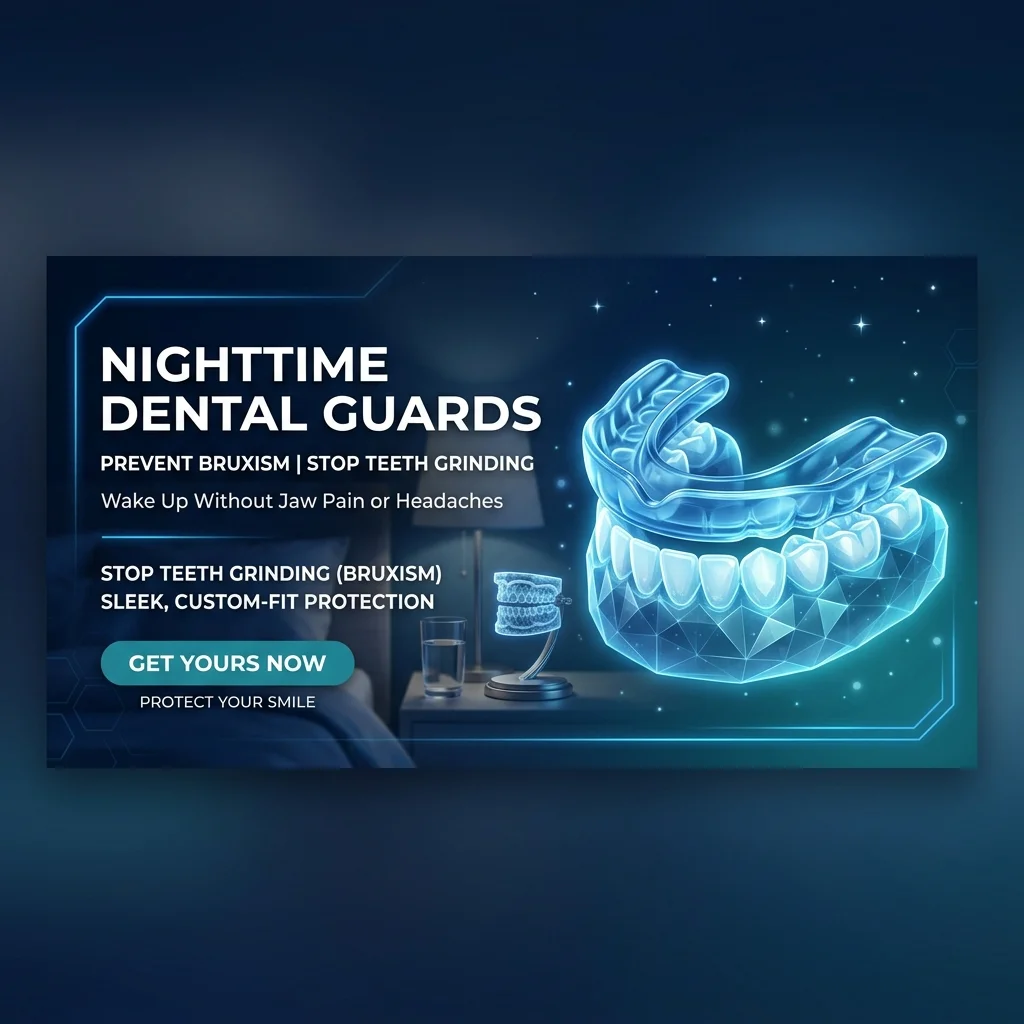
Nighttime grinding exerts severe force, wearing down enamel and straining the TMJ. Deconstruct dental guard material physics, custom-mold kinetics, and jaw alignment.
- Microwaveable boil-and-bite design creates a custom dental-grade fit at home in minutes
- Dual-material construction combines a soft comfort layer with a durable wear-resistant base
- Thin, low-profile design fits comfortably on upper teeth, allowing normal breathing and speech
Bruxism Physics & Jaw Alignment
Nighttime teeth grinding (bruxism) exerts severe mechanical force, wearing down tooth enamel and straining the temporomandibular joint (TMJ). Learn how custom-fit mouth guards, dual-material shock absorption, and jaw alignment relieve jaw pain and protect teeth at home.

1. Sleep Bruxism Dynamics: Mechanical Force and Enamel Erosion
During sleep, the unconscious act of bruxism can exert severe mechanical forces exceeding 250 pounds of pressure per square inch. This massive force is applied directly to the occlusal surfaces of your teeth, leading to micro-cracks and accelerated enamel wear. Over time, grinding flattens the cusps of your molars, exposing the highly sensitive dentin layer and increasing the risk of decay.
Additionally, constant grinding weakens existing dental work, such as composite restorations, crowns, and veneers. Because these episodes occur during deep sleep, sufferers are completely unaware of the destructive forces at play. This repetitive pressure is the leading cause of morning tooth soreness, gum inflammation, and extreme temperature sensitivity.
A custom nighttime dental mouth guard absorbs these massive forces, serving as a protective barrier between your upper and lower arches. The guard prevents direct tooth-on-tooth friction, preserving the structural integrity of your enamel and restorations. Wearing a guard is a crucial clinical step for preventing expensive dental emergencies.
When the protective enamel is worn away, the underlying dentin is exposed to oral bacteria at an alarming rate. Exposed dentin contains thousands of microscopic tubules that lead directly to the tooth pulp, causing sharp pain when drinking hot or cold beverages. Early intervention with a night guard prevents this irreversible wear.
Furthermore, the shear forces generated by lateral grinding can cause teeth to shift slightly in their sockets, leading to occlusion misalignment. This misalignment alters your bite profile, making chewing less efficient and placing unequal stress on individual teeth. Using a protective barrier helps maintain a balanced bite and healthy dental arches.
Investing in a professional-grade mouth guard protects your long-term dental health by mitigating the friction associated with nightly grinding. By cushioning the impact, the guard ensures that your teeth remain structurally sound and free from fracture risks. Protecting your smile today saves you from complex and costly restorative procedures.
- Sleep bruxism can exert up to 250 pounds of pressure, wearing down enamel 10x faster than normal.
- Enamel erosion exposes the underlying dentin, causing severe tooth sensitivity and pain.
2. TMJ Bio-Mechanics: Joint Compression and Temporomandibular Strain
The temporomandibular joint, or TMJ, functions as a sliding hinge that connects your jawbone directly to your skull. Severe teeth grinding compresses this delicate joint structure, leading to chronic inflammation of the surrounding ligaments and articular disc. This mechanical strain is the primary cause of jaw clicking, limited range of motion, and locked jaw.
The muscles that control jaw movement, particularly the masseter and temporalis, are forced to work continuously during grinding sessions. This prolonged muscle contraction leads to severe fatigue, triggering tension headaches that radiate into your temples, neck, and shoulders. Protecting the TMJ from excessive compression is vital for relieving daily jaw pain.
By keeping the upper and lower teeth slightly separated, a custom mouth guard reduces the overall pressure on the TMJ. This slight opening allows the masseter muscles to relax, preventing chronic muscle spasms and morning facial pain. Decompressing the joint hinge is essential for treating clicks and restoring normal jaw mobility.
Chronic joint compression can eventually lead to degenerative joint disease, causing permanent wear on the articular disc. Once the disc is displaced or worn down, bone-on-bone friction occurs inside the hinge, making chewing and speaking extremely painful. Early joint decompression prevents this permanent structural damage.
Additionally, the nerve pathways running near the TMJ can become irritated by surrounding tissue inflammation, leading to earaches and ringing in the ears. Many patients mistake this referred pain for ear infections, when the root cause is actually nightly grinding. Relaxing the jaw joint relieves this pressure, resolving ear discomfort.
Combining a protective mouth guard with physical therapy exercises helps restore healthy jaw mechanics and reduces muscle tension. Consistent wear ensures that your jaw joints rest in a natural, neutral position throughout the night. Taking steps to relax the TMJ is key to waking up without pain.
- TMJ compression during grinding causes localized inflammation, clicks, and limited movement.
- Slight jaw separation relaxes the masseter muscles, preventing tension headaches.
3. Material Science: Dual-Core Polymers and Shock Absorption
An effective dental guard requires advanced material properties to balance comfort with durability. Soft, single-material guards are comfortable initially but can encourage chewing behaviors, which actually increases jaw muscle fatigue. Hard, rigid guards protect teeth well but can feel uncomfortable and disrupt sleep.
Premium guards utilize a dual-material construction that combines a soft inner comfort layer with a hard, wear-resistant base. The soft inner layer cushions your teeth and gums, preventing tender sore spots during the night. The hard outer base resists severe grinding forces, preventing the guard from wearing through.
This dual-core polymer design distributes the forces of your bite evenly across the entire dental arch, reducing localized stress. The elastomeric properties of the material absorb the shock of clenching, preventing the energy from transferring to your jaw joints. Selecting a dual-core guard ensures both maximum comfort and long-lasting protection.
Lower-quality plastic guards can break down quickly under the chemical and physical stress of nightly grinding, releasing harmful particles. Medical-grade, BPA-free polymers resist degradation, maintaining their structure and safety over months of use. Selecting high-quality materials guarantees a safe and hygienic oral environment.
The shock-absorbing properties of dual-core polymers are designed to damp the vibrations generated by grinding. This damping effect protects the periodontal ligaments that anchor your teeth to the jawbone, reducing post-grinding soreness. Advanced material science provides a therapeutic buffer that protects your entire mouth.
Furthermore, the thin profile of these dual-material guards allows for normal airflow and swallowing during sleep. You do not have to sacrifice comfort or sleep quality to achieve professional-grade tooth protection. Investing in advanced materials ensures a restful night and a pain-free morning.
- Soft inner linings cushion your teeth and gums, preventing irritation during sleep.
- Hard outer bases resist severe grinding wear, extending the guard's lifespan.
4. Custom-Fit Customization: The Boil-and-Bite Shaping Process
To provide effective protection, a mouth guard must fit your teeth precisely without slipping or falling out. A loose guard can easily dislodge during sleep, leaving your enamel completely vulnerable to grinding. Custom-fit customization is the key to creating a secure, comfortable dental seal.
High-quality thermoplastic guards use a simple boil-and-bite process to achieve a custom dental-grade fit at home. Heating the guard in water softens the plastic, allowing you to mold it to your unique bite. Pressing the guard against your teeth and gums creates a tight, personalized impression.
A properly molded guard distributes biting forces evenly, preventing single teeth from absorbing the brunt of the pressure. This even distribution prevents unwanted orthodontic shifting, which can occur with poorly fitting, generic guards. Following the molding steps precisely ensures a professional fit and lasting comfort.
Some advanced guards offer microwaveable molding options, which simplify the process and reduce scalding risks. The thermoplastic material is designed to allow for re-molding if your bite changes or if the initial fit is not perfect. This flexibility ensures that you can always maintain a secure, comfortable fit.
A secure, custom-fit guard also allows you to speak and drink water without removing the device. This convenience increases user compliance, ensuring that you wear the guard consistently every night. Consistent use is the most important factor in managing bruxism-related pain.
Furthermore, a customized guard has low-profile borders that do not irritate your cheeks or gums. Cheap, bulky guards rub against oral tissues, causing painful canker sores and sleep disruption. Custom molding protects your delicate oral tissues, ensuring a comfortable experience.
- Boil-and-bite molding creates a custom thermoplastic seal, preventing night slips.
- Properly molded guards distribute biting forces evenly, reducing localized pressure.
5. Hygiene Protocols: Daily Cleaning and Storage Case Ventilation
Because dental guards are exposed to oral bacteria every night, maintaining strict hygiene protocols is essential. Storing a wet guard in a sealed container creates a warm, damp environment where bacteria and mold thrive. This bacterial contamination causes bad odors, staining, and potential oral infections.
Always rinse your guard in cool water immediately after removing it from your mouth in the morning. Use a soft-bristled toothbrush and non-abrasive soap to gently clean all surfaces of the device. Avoid using hot water, which can warp the thermoplastic material and ruin your custom fit.
Store your clean, dry guard in a ventilated storage case to protect it from dust and household pets. The air vents in the case allow any remaining moisture to evaporate, preventing the growth of odor-causing bacteria. Proper cleaning habits extend the lifespan of your guard and keep it safe for daily use.
Using specialized antibacterial cleaning tablets once a week is a great way to deep clean your guard. These tablets dissolve stubborn plaque buildup and sanitize micro-crevices that brushes might miss. Keeping the guard clean prevents the accumulation of calcified deposits, keeping the material smooth.
It is also important to clean your ventilated storage case regularly with warm, soapy water. Dust and pocket lint can accumulate inside the case, transferring contaminants back onto your clean guard. Maintaining a clean storage environment is a simple yet vital part of oral hygiene.
By establishing a consistent daily cleaning routine, you prevent bad breath and protect your gums from irritation. A fresh, clean guard makes the habit of wearing it more pleasant and sustainable. Prioritizing hygiene ensures that your guard remains a healthy addition to your nightly routine.
- Rinsing and brushing daily removes plaque and prevents bacterial buildup on the guard.
- Ventilated storage cases allow air circulation, preventing mold and off-odors.
6. Systemic Links: Bruxism, Stress, and Sleep Quality Interdependence
Teeth grinding is closely linked to daily stress, anxiety, and underlying sleep disorders. High stress levels activate your sympathetic nervous system, leading to muscle tension and involuntary jaw clenching during sleep. This constant muscle activity disrupts your sleep cycles, leaving you feeling tired.
A dental guard helps break this cycle by protecting your jaw and teeth from the painful physical effects of grinding. Reducing morning pain helps improve your daily energy levels, making it easier to manage stress. Combining stress-reduction techniques with a guard supports both your oral and mental health.
Practicing healthy sleep hygiene before bed can help relax your nervous system and reduce the frequency of grinding. Avoid caffeine, heavy meals, and electronic screens in the hours leading up to sleep to promote relaxation. Creating a calm environment before bed helps prevent nighttime grinding spikes.
In some cases, bruxism is a subconscious response to airway obstruction or sleep apnea during the night. When the throat muscles relax and block airflow, the body clenches the jaw to open the airway. If you experience chronic snoring or daytime fatigue, consult a sleep specialist to check for apnea.
Incorporating relaxation techniques such as meditation, deep breathing, or jaw stretching before bed can also help. These practices lower your heart rate and release physical tension in the masseter muscles before you fall asleep. A relaxed body is less likely to engage in destructive grinding behaviors.
Understanding the connection between your lifestyle and your jaw health is key to finding long-term relief. A holistic approach that addresses both stress management and physical protection yields the best results. Protecting your teeth while relaxing your mind ensures a healthier, pain-free life.
- Reducing jaw pain improves sleep quality and helps lower overall stress.
- Sleep hygiene relaxes the nervous system, helping prevent nighttime grinding spikes.
7. The Definitive Buying Guide and Selection Parameters
When choosing a nighttime dental guard, you must evaluate material safety, profile thickness, and ease of molding. Look for guards that are certified BPA-free and phthalate-free to avoid chemical exposure. Ensure the device is thin enough to sit comfortably in your mouth without causing bulkiness.
Check the molding method and select a guard that offers clear, step-by-step instructions. Microwaveable thermoplastic designs are often the easiest to fit at home, providing a custom shape in minutes. A guard that covers your entire dental arch offers the most comprehensive protection for your molars.
Evaluate the durability of the guard and the cost of replacement over time. Some brands provide multiple guards in a single package, offering excellent long-term value for heavy grinders. Choosing a trusted, dentist-tested brand guarantees a safe, comfortable, and reliable night's rest.
Consider your specific grinding severity when selecting a guard thickness. Light grinders may prefer a ultra-thin, low-profile guard for maximum comfort and minimal sleep disruption. Severe grinders require a thicker, dual-layer guard that can withstand intense clenching forces without wearing through.
Read customer reviews to assess how well the guard stays in place during the night. A guard that falls out easily is useless, so check for feedback regarding fit security and mold retention. Investing in a high-rated product ensures that your teeth remain protected until morning.
Finally, verify if the guard comes with a satisfaction guarantee or a trial period. This protection allows you to test the fit and comfort of the guard risk-free, ensuring it meets your needs. A brand that stands behind its product provides peace of mind and quality assurance.
- BPA-free and phthalate-free materials prevent chemical exposure during nightly use.
- Thin profile guards sit comfortably in the mouth, allowing normal airflow during sleep.
8. Neuromuscular Biofeedback and Nocturnal Bio-Behavioral Loops
Biofeedback is a highly effective mechanism for reducing the severity of unconscious teeth grinding. When your jaw begins to clench during sleep, the resistance of the dental guard stimulates sensory receptors in your mouth. This stimulation sends a neuromuscular signal to the brain, prompting you to release the bite.
Over months of consistent use, this nocturnal bio-behavioral loop helps re-train your jaw muscles. Your brain learns to recognize the resistance and avoids clenching at full force, keeping the jaw in a neutral position. Re-training the bite reflex reduces both grinding frequency and morning muscle soreness.
Preventing intense clenching also protects your jaw muscles from hypertrophy, which is the thickening of the masseter muscles. Hypertrophy can cause a widening of the lower face and leads to chronic, stubborn muscle tension. Maintaining muscle relaxation preserves your natural facial structure and jaw comfort.
The neuromuscular feedback loop also helps reduce the intensity of tension headaches associated with bruxism. By preventing the masseter and temporalis muscles from locking in a contracted state, the guard stops headaches before they start. Relaxing these head muscles improves your overall comfort.
This behavioral re-training is especially beneficial for individuals whose grinding is triggered by stress. The guard acts as a physical circuit breaker, interrupting the stress-induced clenching reflex. Protecting your muscles from stress-induced strain is a vital step in long-term recovery.
Ultimately, utilizing a dental guard is not just about protecting your enamel; it is about restoring healthy muscle habits. By providing continuous biofeedback, the guard helps you achieve a relaxed jaw and a more restful sleep. Re-training your jaw muscles supports your long-term health.
- Sensory resistance from the guard prompts the brain to release clenches reflexively.
- Preventing masseter hypertrophy preserves jaw comfort and natural face lines.
9. Dental Restoration Protection and Material Fatigue Audits
Teeth grinding poses a severe and costly threat to expensive dental restorations like crowns, bridges, and implants. Brittle materials like porcelain and composite resin can easily chip or fracture under lateral grinding forces. Repairing or replacing these restorations can cost thousands of dollars.
Performing regular material fatigue audits of your dental guard is essential for ensuring continuous protection. Inspect your guard weekly for deep wear channels, thinning areas, or structural cracks. Replacing a worn-out guard before it fails prevents damage to your restorations and natural teeth.
Consult with your dentist during regular checkups to monitor your guard's wear patterns. Your dentist can assess if the guard is distributing forces correctly and check for signs of tooth wear. A proactive, audited approach ensures that your smile remains protected for years to come.
Heavy grinders may need to replace their guards more frequently to maintain optimal protection. Ignoring a worn guard can lead to accidental tooth fractures and joint inflammation, reversing your progress. Keeping a spare guard on hand ensures you never sleep without protection.
Dental implants are particularly vulnerable to grinding forces because they lack the shock-absorbing periodontal ligament of natural teeth. Grinding can lead to bone loss around the implant, resulting in implant failure. A protective mouth guard is crucial for securing your dental implant investments.
In conclusion, protecting your dental investments requires consistent guard use and proactive maintenance. By monitoring the condition of your guard and replacing it as needed, you safeguard your smile. Prioritizing restoration protection keeps your teeth healthy and saves you money.
- Mouth guards absorb shear forces, protecting crowns and implants from fracture.
- Replacing worn guards prevents teeth damage and saves expensive dental restoration costs.
Clinical Recommendation & Audit
Protect your enamel and relax your jaw muscles for a pain-free morning. Check out our recommended solution below to experience clinical-grade nighttime dental protection.
Oral-B Nighttime Dental Guard - Custom-Fit Professional Mouth Guard
- Microwaveable boil-and-bite design creates a custom dental-grade fit at home in minutes
- Dual-material construction combines a soft comfort layer with a durable wear-resistant base
- Thin, low-profile design fits comfortably on upper teeth, allowing normal breathing and speech
- Includes a custom storage case to protect the guard from dust and bacteria during the day
Technical Specifications & Product Data
| Specification | Value / Details |
|---|---|
| Brand | Oral-B |
| List Price | $20.00 (USD) |
| Customer Rating | 4.3 / 5.0 (5,840 reviews) |
| ASIN / Identifier | B097F4R35X |
| Availability | In Stock (USA Region) |
| Outbound Link Compliance | Sponsored & Nofollow Enforced |
Verified Features & Performance Data
- ✓Microwaveable boil-and-bite design creates a custom dental-grade fit at home in minutes
- ✓Dual-material construction combines a soft comfort layer with a durable wear-resistant base
- ✓Thin, low-profile design fits comfortably on upper teeth, allowing normal breathing and speech
- ✓Includes a custom storage case to protect the guard from dust and bacteria during the day
System Sovereignty & Engineering
Edge Computing
100% Client-side processing. Your data never leaves your browser sandbox, ensuring absolute compliance with US privacy mandates.
Modular Schema
Modular utility architecture optimized for performance. Low-latency WASM kernels provide near-native speeds for complex transformations.
Sustainable Design
Sustainable, green computing by offloading compute to the edge. Verified zero-server storage (ZSS) for professional-grade security.