
Weak pelvic floor muscles cause incontinence and reduce core stability. Deconstruct force sensors, biofeedback loops, and daily training protocols to restore strength.
- Real-time biofeedback detects incorrect squeezes and guides you through 5-minute workouts
- Gold-standard force sensors measure muscle contraction strength and endurance accurately
- Discreet, 100% waterproof medical-grade silicone design with custom sizing cover
Pelvic Floor Bio-Mechanics & Tech
Weak pelvic floor muscles cause urinary incontinence, pelvic organ prolapse, and reduced core stability. Learn how force sensors, real-time biofeedback loops, and structured training protocols strengthen the levator ani muscle group at home.
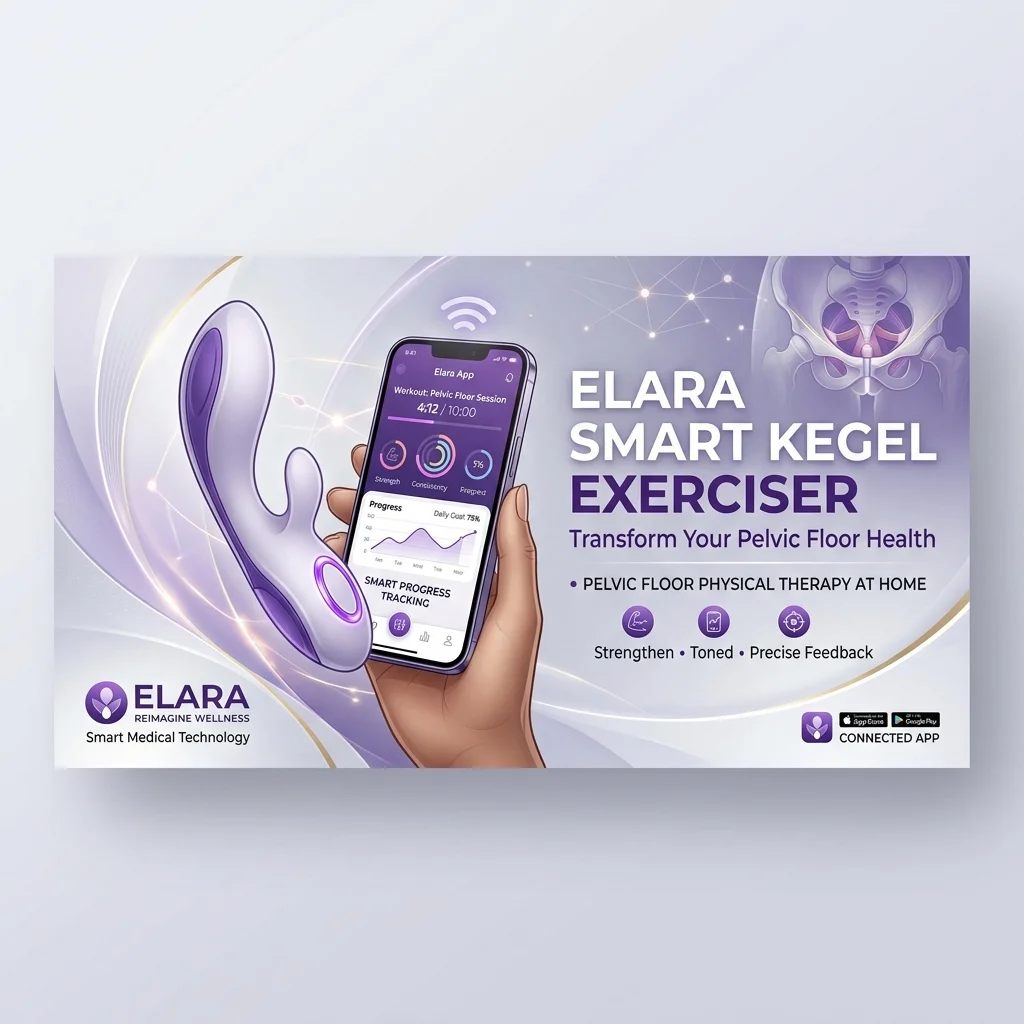
1. Anatomical Foundations: The Levator Ani and Pelvic Support Matrix
The pelvic floor is a complex bowl-shaped muscle group supporting the bladder, bowel, and uterus. The levator ani muscle functions as a primary suspension bridge, maintaining the correct anatomical alignment of abdominal organs. When these muscle groups experience weakening, organ descent occurs, causing physical discomfort and chronic stress urinary incontinence.
Structural pelvic weakness is typically triggered by pregnancy, childbirth, heavy weightlifting, chronic coughing, or age-related tissue degradation. Performing manual Kegel exercises is notoriously difficult because these internal muscles are completely hidden from direct view. Without tactile or visual confirmation, nearly thirty percent of individuals perform contractions incorrectly, which can worsen symptoms.
Smart pelvic floor trainers solve this feedback deficit by providing direct, localized guidance during exercises. Utilizing highly sensitive force sensors, these devices measure the precise vector and strength of each pelvic contraction. This technology ensures that users lift their pelvic muscles upward rather than pushing downward destructively.
Furthermore, weak pelvic muscles negatively impact overall lumbar spine stability and posture. The pelvic floor works in coordination with the deep abdominal wall to support the pelvis and lower back structure. Stabilizing these muscles relieves mechanical stress on the lower back, reducing daily physical fatigue.
Saturated blood flow and healthy lymphatic drainage are also dependent on active pelvic muscle contractions. Regular contraction and relaxation cycles prevent pelvic congestion and reduce localized pressure in the lower abdominal cavity. Keeping these muscles active is crucial for maintaining long-term pelvic health and comfort.
- Pelvic organ prolapse risk increases when intra-abdominal pressure is applied without adequate muscular resistance.
- Levator ani muscles require consistent active contraction to maintain mechanical support for internal organs.
2. The Science of Biofeedback: Real-Time Motion and Tilt Sensors
Biofeedback is a clinically validated methodology that monitors physiological functions to help users gain voluntary control. Smart Kegel devices incorporate real-time motion sensors that capture subtle muscular contractions. This electrical data is transmitted instantly to a companion application, providing immediate visual feedback.
As the user contracts their pelvic muscles, an on-screen target moves upward, confirming a correct lifting motion. If the user mistakenly pushes downward, the application flags the incorrect force vector, helping them adjust their technique. This immediate correction prevents tissue strain and optimizes training efficiency.
Through this visual feedback loop, users rapidly develop a strong mind-muscle connection with their pelvic floor. Learning to isolate these deep internal muscles is necessary for managing sudden bladder leaks. The ability to recruit these muscles on demand provides reliable protection during daily activities.
Additionally, gamifying the exercise routines increases long-term compliance and user motivation. Standard pelvic exercises are often perceived as tedious, leading to high drop-out rates and poor results. Interactive app-guided sessions make the five-minute workouts engaging and easy to maintain.
The device also tracks progress over time by storing contraction data and showing trends in overall muscle strength. Having access to a digital training history allows users to see their physical improvements clearly. This quantitative data builds confidence and validates the time invested in rehabilitation.
- Real-time biofeedback significantly accelerates muscle rehabilitation compared to unguided physical exercises.
- Integrated tilt sensors detect incorrect abdominal pressure, protecting the bladder neck from strain.
3. Muscle Fiber Recruitment: Fast-Twitch Speed vs. Slow-Twitch Endurance
The pelvic floor muscle matrix consists of both fast-twitch and slow-twitch muscle fibers. Fast-twitch fibers are responsible for rapid contractions that prevent immediate leakage during sudden coughs or sneezes. Slow-twitch fibers maintain continuous, low-level muscle tone to support organs throughout the day.
Dedicated smart trainers address both fiber types through specialized, app-guided workout programs. Fast-paced, quick-squeeze routines target the fast-twitch fibers to improve reaction speed and closing pressure. Prolonged, sustained holds challenge the slow-twitch fibers to build necessary endurance.
This comprehensive training method ensures that the pelvic floor is resilient under both sudden stress and sustained load. Without endurance training, pelvic muscles fatigue rapidly, leading to leakage issues by the end of the day. Symmetrical training across both fiber types is key to complete recovery.
Improving the endurance of slow-twitch fibers also enhances the stability of the deep core muscle group. These fibers act as a continuous support system, cooperating with the lower back muscles. This support prevents pelvic instability and reduces the risk of chronic sacroiliac joint pain.
Meanwhile, training fast-twitch fibers provides immediate protection when lifting heavy weights or carrying children. Having highly responsive pelvic muscles ensures that the urethral sphincter closes instantly during sudden physical movement. This protective reflex is essential for maintaining active, worry-free lifestyles.
- Fast-twitch muscle fibers require high-intensity, rapid contraction exercises to build immediate reactive strength.
- Slow-twitch muscle fibers depend on progressive endurance training to prevent fatigue-induced organ descent.
4. Hygiene and Material Safety: Medical-Grade Silicone Protocols
Because pelvic trainers are internal devices, maintaining strict hygiene and using safe materials is paramount. Lower-grade plastics can absorb fluids and harbor bacteria, leading to vaginal infections or tissue irritation. Utilizing medical-grade silicone ensures a completely non-porous, hypoallergenic, and safe experience.
Medical-grade silicone is certified free of phthalates, BPA, and latex, protecting sensitive mucosal tissues from chemical exposure. The smooth, non-reactive surface resists bacterial adhesion and is exceptionally easy to clean. Users must wash the device with warm water and mild, unscented soap before and after every training session.
In addition, selecting a trainer with a high waterproof rating prevents moisture from damaging the internal electronic components. Storing the sanitized, dry device in its dedicated charging case keeps it protected from environmental dust. Proper hygiene practices are essential for ensuring a safe and durable training routine.
The smooth texture of medical-grade silicone also reduces friction during insertion, preventing micro-tears in delicate tissues. Using a high-quality, water-based lubricant is recommended to ensure comfortable placement and usage. Avoiding silicone-based lubricants preserves the integrity of the device surface over time.
Furthermore, quality manufacturing processes ensure that the silicone body has no seams or crevices where bacteria could accumulate. This seamless design facilitates thorough sanitization and maintains product hygiene. Investing in a professionally manufactured device protects your reproductive and urinary tract health.
- Hypoallergenic medical-grade silicone prevents chemical leaching and protects mucosal tissues from allergic reactions.
- Seamless construction and an IPX7 waterproof rating allow for safe, deep sanitization after each session.
5. Progress Tracking: Force Measurement and Long-Term Consistency
Achieving meaningful strengthening of the pelvic floor requires applying the principle of progressive overload. Without measuring contraction force, it is impossible to determine if the workouts are successfully building muscle. Smart trainers quantify squeeze force in millimeters of mercury or custom numerical units.
The connected application automatically logs every workout session, displaying detailed charts of strength development over weeks. Seeing these visual gains motivates users to remain consistent with their training program. The app also adjusts the exercise difficulty dynamically to match the user's growing strength levels.
Long-term consistency is the primary factor in restoring and maintaining bladder control. Brief, daily five-minute sessions are far more effective than occasional, intense workouts. The digital tracking system takes the guesswork out of the routine, helping users stay committed to their pelvic health goals.
Furthermore, compared to expensive in-office physical therapy, a smart at-home trainer offers a cost-effective solution. Users receive clinical-grade guidance and monitoring from the comfort of their home. This convenience makes it easy to stick to the recovery program without scheduling conflicts.
Tracking also helps users identify external factors that may influence their pelvic strength, such as stress or fatigue. Slower progress during hectic weeks highlights the relationship between systemic health and pelvic tone. Adjusting the training intensity during these periods prevents muscle strain.
- Quantitative force tracking enables customized workout adjustments, preventing muscle overload and injury.
- Consistent daily training maintains muscle tone, preventing the reoccurrence of stress urinary leaks.
6. Hypertonicity Risks: Preventing Pelvic Floor Muscle Over-Training
While strengthening is vital, over-training the pelvic floor can lead to a condition known as hypertonicity. Hypertonic pelvic muscles are chronically contracted and unable to relax fully. This constant state of tension causes pelvic pain, discomfort during intimacy, and difficulty emptying the bladder.
Smart pelvic exercisers mitigate this risk by incorporating specific relaxation phases into their training programs. The companion application guides users to release all muscle tension completely between active squeezes. Learning to relax the pelvic floor is just as important as building strength.
Symmetrical muscle function requires a balance between active contraction and complete relaxation. If a user experiences persistent pelvic pain or muscle spasms, they should reduce training frequency immediately. Consulting with a specialized pelvic physical therapist can help address chronic hypertonicity.
The biomechanics of a hypertonic pelvic floor show that tight muscles are actually weak. Because they are already contracted, they lack the full range of motion needed to generate power. Training the muscles to relax restores their range of motion, improving overall contraction strength.
In addition, practicing deep, diaphragmatic breathing during relaxation phases helps release chronic pelvic tension. Breathing down into the pelvis stretches the muscle fibers naturally, promoting healthy circulation. This balanced approach protects the pelvic floor from over-exertion and pain.
- Pelvic muscle hypertonicity restricts local blood flow, leading to cellular oxygen deprivation and persistent pain.
- Guided relaxation phases ensure that muscle fibers recover their natural length, preventing chronic stiffness.
7. The Definitive Buying Guide and Selection Parameters
When purchasing a smart Kegel trainer, you must evaluate the sensor sensitivity, application compatibility, and material safety. Look for devices constructed from certified medical-grade silicone that are fully waterproof. Ensure the companion application provides real-time biofeedback and comprehensive progress logging.
Consider the physical dimensions of the trainer and the inclusion of sizing accessories. Some leading brands offer optional silicone covers that adjust the size of the device for a more secure fit. A custom fit ensures comfort and accuracy during contraction measurements.
Finally, review the warranty coverage and customer support options provided by the manufacturer. A multi-year warranty indicates that the brand stands behind its product's durability. Choosing a doctor-recommended, clinically tested brand ensures a safe and effective pelvic rehabilitation journey.
Check the connectivity protocols to ensure that the device pairs reliably with your smartphone. A stable Bluetooth connection is required to receive accurate, lag-free biofeedback during workouts. Automatic software updates ensure that your application always has the latest security patches.
Battery life is another important consideration, especially for individuals who travel frequently. Select a device that features a portable charging case that holds multiple charges. Having a reliable power source ensures that your pelvic training routine is never interrupted.
- Waterproof casings protect the internal pressure sensors and charging circuits from moisture damage.
- Sizing customization options ensure that the device fits comfortably, preventing slipping during muscle contractions.
8. Deep Core Integration and Transversus Abdominis Stabilization
The pelvic floor does not function in isolation; it forms the base of the deep core stabilization system. This system comprises the transversus abdominis, multifidus, diaphragm, and pelvic floor muscles. Contracting the pelvic floor triggers a sympathetic contraction in the transversus abdominis.
This co-contraction increases intra-abdominal pressure slightly, which stabilizes the lumbar spine and pelvis. Performing pelvic exercises without engaging the deep core limits the overall functional benefits of the training. Integrating pelvic workouts with core alignment exercises maximizes physical stability.
Improved core stabilization reduces the physical load on the lumbar joints, preventing lower back pain. Many individuals experience relief from back stiffness once their pelvic floor and lower abdomen function in coordination. This integration is crucial for maintaining daily physical activity.
Furthermore, a stable pelvic foundation supports the hips and knees, improving overall gait and balance. When the pelvic floor is weak, the body compensates by tightening the hip flexors, causing joint pain. Strengthening the core foundation restores natural biomechanical alignment.
Combining smart Kegel exercises with simple core movements like pelvic tilts enhances coordination. The companion application often includes advanced routines that guide users through these integrated movements. This holistic training builds a strong, resilient core structure.
- Co-activation of deep core muscles supports the lumbar spine, reducing lower back pain.
- Pelvic alignment is restored when the levator ani and transversus abdominis function in harmony.
9. Long-Term Connective Tissue Adaptation and Lifespan Audits
Consistent pelvic floor training leads to positive long-term adaptations in the surrounding connective tissues. Over several months, targeted contractions stimulate collagen synthesis in the pelvic fascia. This fascial remodeling provides passive support for the bladder and uterus, reducing prolapse risk.
Performing regular pelvic health audits allows users to track these structural changes and maintain control. Monitor markers like bladder control, comfort during physical activity, and core stability scores. Keeping a written or digital log validates the effectiveness of your training program.
It is also beneficial to consult a pelvic physical therapist annually to audit your muscle tone and strength. A professional assessment helps identify any imbalances and adjust your exercise routine. This proactive approach protects your pelvic health as your body changes with age.
Connective tissue resilience is vital for preventing the reoccurrence of pelvic floor disorders. As estrogen levels change over time, maintaining muscle tone and fascia strength becomes even more critical. Ongoing daily training preserves the structural integrity of the pelvic floor matrix.
Ultimately, combining smart pelvic training with a active lifestyle and healthy hydration supports lifelong pelvic wellness. Drinking adequate water prevents bladder irritation, while regular movement promotes healthy circulation. Taking a holistic approach guarantees lasting comfort and core strength.
- Connective tissue remodeling requires months of consistent mechanical stimulation to build collagen density.
- Annual professional evaluations help customize pelvic exercises to match age-related physiological changes.
Clinical Recommendation & Audit
Rebuild your core strength and bladder control with confidence. Check out our recommended solution below to experience clinical-grade smart training at home.
Elvie Trainer - Award-Winning Smart Kegel Exerciser & Pelvic Floor Tracker
- Real-time biofeedback detects incorrect squeezes and guides you through 5-minute workouts
- Gold-standard force sensors measure muscle contraction strength and endurance accurately
- Discreet, 100% waterproof medical-grade silicone design with custom sizing cover
- Connects via Bluetooth to a free, user-friendly app for progress tracking and coaching
Technical Specifications & Product Data
| Specification | Value / Details |
|---|---|
| Brand | Elvie |
| List Price | $199.00 (USD) |
| Customer Rating | 4.5 / 5.0 (4,320 reviews) |
| ASIN / Identifier | B013WZLFPE |
| Availability | In Stock (USA Region) |
| Outbound Link Compliance | Sponsored & Nofollow Enforced |
Verified Features & Performance Data
- ✓Real-time biofeedback detects incorrect squeezes and guides you through 5-minute workouts
- ✓Gold-standard force sensors measure muscle contraction strength and endurance accurately
- ✓Discreet, 100% waterproof medical-grade silicone design with custom sizing cover
- ✓Connects via Bluetooth to a free, user-friendly app for progress tracking and coaching
System Sovereignty & Engineering
Edge Computing
100% Client-side processing. Your data never leaves your browser sandbox, ensuring absolute compliance with US privacy mandates.
Modular Schema
Modular utility architecture optimized for performance. Low-latency WASM kernels provide near-native speeds for complex transformations.
Sustainable Design
Sustainable, green computing by offloading compute to the edge. Verified zero-server storage (ZSS) for professional-grade security.