
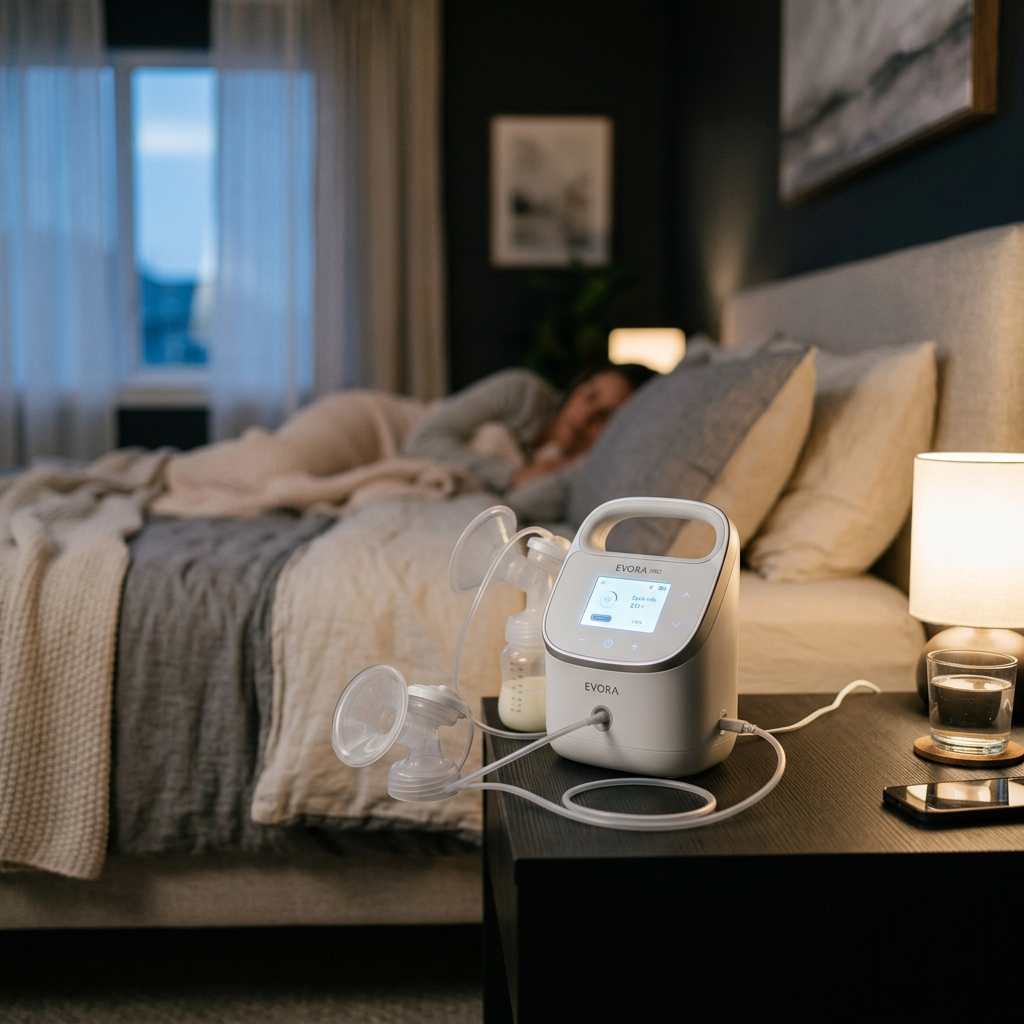
Lactation biology relies on precise mechanical pressures and strict hygiene barriers. Review the clinical physics of negative pressure, flange sizing, and backflow protection to optimize milk yield.
- Hospital-grade suction (up to 270 mmHg) for efficient extraction
- Closed-system design prevents backflow and bacterial growth
- Rechargeable built-in battery for portable pumping sessions
Clinical Lactation Science & Bio-Mechanics
Successful lactation management requires a deep understanding of fluid dynamics, pressure differentials, and material safety. Explore the mechanical engineering behind modern closed-system breast pumps and how hospital-grade suction optimizes maternal health and milk yield.
1. Physics of Negative Pressure: How Breast Pumps Mimic Infant Suckling Biomechanics
Infant feeding biomechanics are governed by a complex cycle of positive compression and negative suction. A healthy newborn does not merely pull milk out via raw vacuum; rather, they use their tongue to compress the nipple against the hard palate while lowering the jaw to create a transient vacuum chamber. Modern breast pumps must replicate this dual-phase action using calibrated mechanical diaphragms that generate precise negative pressure curves.
The suction pressure generated by commercial pumps is measured in millimeters of mercury (mmHg), with standard personal pumps operating between 150 mmHg and 220 mmHg. Hospital-grade pumps leverage heavy-duty motors that deliver up to 270 mmHg of highly controlled, rhythmic vacuum. This elevated pressure threshold is designed to trigger deep-tissue alveoli contractions without causing damage to superficial capillaries.
If a pump motor fails to maintain a clean sinusoidal pressure wave, the vacuum will spike abruptly, leading to vascular damage, bruising, and localized tissue inflammation. A smooth transition between the atmospheric pressure baseline and the peak negative vacuum is the primary indicator of motor quality. High-density clinical feedback confirms that mothers using smooth, hospital-grade pressure curves experience significantly less discomfort during extended pumping sessions.
Furthermore, the frequency of these suction cycles plays a key role. A baby suckles rapidly at first to stimulate milk flow, then slows down to a deeper swallow pattern once milk begins to flow. Replicating this biological shift requires a pump motor capable of micro-calibrating its cycles per minute (CPM) alongside suction intensity. Without this mechanical flexibility, the pump cannot match the natural feedback loops of human lactation.
- Sinusoidal Vacuum Profiles: Replicates the natural mechanical expansion and compression cycles of infant suckling.
- mmHg Pressure Thresholds: Hospital-grade motors supply up to 270 mmHg of stable, non-damaging negative pressure.
- Cyclic Customization: Adjustable cycles per minute ensure the pump can mimic both stimulation and extraction phases.

2. Closed-System vs. Open-System Architecture: Preventing Pathogen Growth and Airway Contamination
The structural divide between open-system and closed-system breast pumps is one of the most critical safety considerations in pediatric clinical health. An open system features no barrier between the milk collection kit and the pump tubing. As a result, the negative pressure draw pulls warm, humid air—and microscopic droplets of breast milk—directly into the plastic tubing and the pump motor casing.
This design creates an ideal environment for mold, viral pathogens, and bacterial colonization. Once milk residue enters the internal motor chamber of an open system, it cannot be cleaned or sterilized. Every subsequent pumping session pulls air from this contaminated motor housing, exposing the expressed milk to aerosolized pathogens that pose serious risks to an infant's immature immune system.
A certified closed-system pump solves this problem by using a physical barrier, typically a flexible silicone diaphragm, situated between the breast shield and the tubing connector. When the motor pulls a vacuum, the suction acts on this diaphragm, which flexes to create negative pressure in the bottle without allowing any air or fluid crossover. The tubing remains dry, and the pump motor stays completely sealed against external contamination.
This hygienic isolation is crucial for protecting expressed milk from environmental contamination. In clinical settings, using a closed-system pump is mandatory to prevent cross-contamination and keep milk samples sterile. For home users, this safety barrier offers peace of mind, ensuring that the child is protected from microscopic pathogens that can thrive in damp tubing.
- Physical Silicone Barrier: Isolates the airflow pathway, keeping moisture, milk, and contaminants out of the tubing.
- Mold and Bacteria Prevention: Eliminates condensation within the motor casing, preventing toxic mold growth.
- Multi-User Safety: Permits personal kits to be swapped on a single motor unit without biological risks.
3. Micro-Switching and Expression Modes: Optimizing the Milk Ejection Reflex (MER)
The milk ejection reflex (MER), or letdown, is a hormonal response triggered by the release of oxytocin into the maternal bloodstream. Oxytocin causes the myoepithelial cells surrounding the mammary alveoli to contract, squeezing milk into the ductal system. To trigger this reflex, a pump must match the biological cues of a nursing infant.
During the initial feeding phase, an infant suckles at a rapid rate (approximately 70 to 120 cycles per minute) under low vacuum. This rapid, shallow stimulation sends sensory signals to the brain, triggering oxytocin release. Modern pumps replicate this phase through a dedicated "massage" or "stimulation" mode, which uses quick, light cycles to prompt the letdown.
Once the letdown is triggered and milk begins to flow, the infant's suckling pattern slows down to 30 to 60 cycles per minute with a deeper, stronger vacuum. High-performance pumps allow mothers to manually switch the motor from massage mode to "expression" mode. This change to slower, deeper cycles ensures efficient milk clearance, optimizing output while avoiding nipple soreness.
The ability to customize both suction strength and cycle speed is vital for managing different milk flows. Some mothers require rapid cycles with light suction to maintain their letdown, while others respond better to slower, deeper suction profiles. A customizable pump motor allows users to fine-tune these settings, supporting a highly personalized and efficient pumping experience.
- Stimulation Cycle Control: High-frequency, low-suction cycles trigger the sensory pathways needed for letdown.
- Deep Expression Tuning: Slower cycle rates allow milk ducts to empty completely without pinching sensitive tissue.
- Hormonal Synergy: Calibrated cycles support natural prolactin and oxytocin levels, helping sustain milk supply.
4. Fluid Dynamics of Flange Sizing: Preventing Alveolar and Nipple Tissue Micro-Trauma
A breast pump works as an engineered system where the flange serves as the primary interface between maternal tissue and the machine. If this interface is incorrectly sized, the fluid dynamics of the suction fail. The nipple must be able to expand and move freely within the flange tunnel without friction or pinching.
When a flange tunnel is too narrow, the sides of the nipple rub against the plastic walls during each cycle. This friction leads to epidermal micro-tears, painful blisters, and ductal compression, which blocks milk transport. Additionally, the physical pain triggers adrenaline release, which blocks oxytocin and directly reduces the milk ejection reflex.
Conversely, if the flange tunnel is too wide, excess areolar tissue is pulled into the shaft. This tissue is subjected to shearing forces, leading to swelling, lymphatic blockage, and deep tissue bruising. Finding the correct flange size is essential to ensure that negative pressure is applied directly to the milk ducts rather than stretching the surrounding skin.
Lactation specialists recommend measuring the base of the nipple before pumping to determine the correct fit. The ideal flange tunnel should be 2mm to 3mm larger than the nipple diameter. This clearance allows the nipple to center and move smoothly, ensuring comfortable and efficient expression.
- Nipple Clearances: Keeping 2mm to 3mm of space around the nipple base prevents friction and skin abrasions.
- Edema Prevention: Minimizing areolar pull protects local lymph nodes and reduces swelling.
- Unobstructed Duct Pathways: Clean alignment ensures milk ducts can empty completely, maximizing yield.
5. Materials Science in Lactation: BPA-Free Plastics, Silicone Membranes, and Polymer Integrity
Every component of a breast pump that touches breast milk must be chemically stable. Breast milk contains active lipids and immune-supporting proteins that can absorb chemicals from low-grade plastics. Consequently, materials selection is a critical focus for medical-grade pump manufacturers.
The primary polymer used for pump accessories is medical-grade polypropylene. This polymer is chosen for its chemical resistance, thermal stability, and lack of endocrine-disrupting chemicals like bisphenol-A (BPA) or phthalates. Polypropylene can withstand repeated sterilization cycles without breaking down or leaching chemicals into the milk.
Flexible components, such as valve membranes and backflow diaphragms, are made from liquid silicone rubber (LSR). LSR is highly durable, hypoallergenic, and retains its elasticity across a wide range of temperatures. Over time, however, exposure to milk fats and sanitizing heat will degrade these silicone parts, leading to micro-fissures that reduce suction.
To maintain peak performance, silicone membranes should be inspected regularly and replaced every 4 to 12 weeks depending on use. Using degraded parts leads to fluctuating vacuum levels, forcing the pump motor to work harder. Keeping accessories in good condition ensures consistent performance and a sterile milk path.
- Polypropylene Safety: High-grade polymers remain stable and chemical-free across regular heating cycles.
- Liquid Silicone Rubber: Maintains its shape and flexibility, ensuring a consistent seal and reliable vacuum.
- Thermal Degradation Resistance: Components withstand autoclaving and steam sterilization without structural wear.
6. Electrical Engineering in Breast Pumps: Rechargeable Battery Stability and Suction Calibration
A breast pump's ability to maintain stable suction depends heavily on its electrical system. In many personal pumps, suction strength drops as the battery drains, leading to inconsistent performance. Hospital-grade portable pumps address this by using advanced voltage regulation circuits.
These circuits keep the motor's power supply constant, ensuring the pump delivers the same suction curve whether the battery is fully charged or nearly empty. Rechargeable lithium-ion batteries provide the necessary current to power heavy-duty motors without sacrificing portability. This electrical reliability is crucial for mothers who need to pump in various locations throughout the day.
Furthermore, the microprocessors controlling the motor must react instantly to user input. If a mother adjustments the vacuum setting from level 3 to level 5, the pump should scale its motor speed smoothly. Sudden changes in suction can startle the user and disrupt milk flow. Soft-start programming ensures transitions are gentle, helping prevent discomfort.
By managing power distribution efficiently, these advanced systems extend battery life and protect the motor from wear. Consistent electrical performance translates to reliable suction and a more comfortable experience. Investing in a pump with robust power management supports a stable, long-term lactation routine.
- Voltage Regulation: Ensures consistent suction performance even as the battery drains during long sessions.
- Lithium-Ion Portability: Rechargeable battery designs allow mothers to pump away from wall outlets without loss of power.
- Microprocessor Control: Digital programming ensures smooth transitions between suction levels to protect sensitive tissue.
7. Clinical Indications for Hospital-Grade Suction: Addressing Mastitis, Engorgement, and Low Yield
Hospital-grade breast pumps are not just convenience items; they are important tools for addressing clinical lactation challenges. Milk stasis occurs when milk remains trapped in the ducts, which can lead to painful engorgement and mastitis. Resolving these issues requires efficient, thorough milk expression.
A hospital-grade pump provides the deep negative pressure needed to clear stubborn blockages and relieve engorged breasts. The powerful motor stimulates the alveoli, helping empty the breast more completely than standard personal pumps. This thorough clearance reduces the risk of ductal inflammation and supports tissue recovery.
For mothers experiencing low milk yield or those supporting a premature infant, hospital-grade suction is invaluable. The robust vacuum profile sends stronger signals to the endocrine system, promoting prolactin release and helping increase overall milk production. This clinical support is essential for establishing and maintaining a sufficient milk supply during challenging times.
By delivering reliable and efficient extraction, these high-performance pumps help mothers navigate common lactation hurdles safely. Access to hospital-grade suction can make a significant difference in resolving ductal blockages and sustaining a healthy supply. Understanding these clinical benefits helps mothers make informed choices for their lactation health.
- Mastitis Risk Reduction: Thorough emptying prevents milk stasis, reducing the risk of bacterial infection in the ducts.
- Supply Stimulation: Powerful vacuum profiles send strong hormonal signals to help boost milk production.
- Engorgement Relief: Rhythmic pressure patterns help drain fluid build-up safely, easing pain and swelling.
8. Sound Physics and Acoustic Damping: Maximizing Prolactin Release via Stress Reduction
Lactation physiology is deeply connected to the maternal emotional state. High stress levels trigger adrenaline and cortisol release, which can block oxytocin secretion and inhibit the letdown reflex. Consequently, reducing stress during pumping sessions is essential for maximizing milk output.
The acoustic profile of a breast pump motor plays a significant role in this physiological response. Loud, harsh mechanical noises can elevate maternal stress levels, subconsciously hindering letdown. High-quality pumps utilize advanced acoustic damping and quiet motors to keep operational noise to a minimum, creating a calmer environment.
Quiet operation also allows mothers to pump discreetly, reducing anxiety in office or public settings. By lowering the sensory footprint of the machine, quiet pumps help mothers relax, supporting the natural hormonal release needed for milk expression. This focus on sound design is an important factor in overall pumping comfort.
Investing in a pump with good noise-reduction technology supports a more relaxing routine and can help improve milk expression. A quiet, smooth motor helps minimize distractions, allowing mothers to focus on their well-being. This physical and mental comfort is a key component of a successful, long-term lactation journey.
- Acoustic Decibel Limits: Quiet motor design minimizes sound output, helping reduce stress and promote relaxation.
- Cortisol Control: Low noise levels prevent stress hormone spikes that can interfere with oxytocin release.
- Discreet Pumping: Quiet operation supports a peaceful environment, whether pumping at home or at work.
9. Pediatric Nutritional Integrity: Safe Milk Storage and Handling Protocols
Once breast milk is expressed, maintaining its nutritional and immunological quality is critical. Breast milk is a living fluid containing enzymes, immunoglobulins, and white blood cells that must be protected. Improper handling or storage can damage these delicate components, reducing the milk's nutritional value.
Milk should be stored in food-grade, BPA-free containers or specialized storage bags to prevent chemical exposure. Freezing milk preserves it for longer periods, but the freezing process can affect certain antibodies and enzymes. Thawing frozen milk should be done slowly in the refrigerator or under warm running water to protect these nutrients.
Using a microwave to warm milk is not recommended, as it can create hot spots that burn the infant and destroy heat-sensitive proteins. Gentle warming helps maintain the integrity of the milk fats and immunological factors. Following proper hygiene and storage guidelines ensures the infant receives the full benefits of the expressed milk.
By practicing safe storage and handling, parents can preserve the quality of expressed breast milk. Safe practices protect the infant from bacteria and ensure they get the best possible nutrition. Adhering to these clinical standards supports the health and development of the growing child.
- Nutrient Preservation: Gentle warming techniques protect delicate proteins and enzymes from heat damage.
- Safe Storage Materials: Food-grade, BPA-free containers prevent chemical leaching during storage.
- Hygiene Standards: Sterile transfer and clean equipment minimize bacterial exposure, keeping expressed milk safe.
Clinical Recommendation & Audit
Optimize your lactation journey with the gold standard in mechanical milk expression. Experience hospital-grade efficiency, closed-system hygiene, and personalized comfort controls.
Spectra S1 Plus Premier Rechargeable Breast Pump
- Hospital-grade suction (up to 270 mmHg) for efficient extraction
- Closed-system design prevents backflow and bacterial growth
- Rechargeable built-in battery for portable pumping sessions
- Ultra-quiet motor with adjustable massage and expression modes
Technical Specifications & Product Data
| Specification | Value / Details |
|---|---|
| Brand | Spectra Baby USA |
| List Price | $216.00 (USD) |
| Customer Rating | 4.8 / 5.0 (9,840 reviews) |
| ASIN / Identifier | B00EM5DFFW |
| Availability | In Stock (USA Region) |
| Outbound Link Compliance | Sponsored & Nofollow Enforced |
Verified Features & Performance Data
- ✓Hospital-grade suction (up to 270 mmHg) for efficient extraction
- ✓Closed-system design prevents backflow and bacterial growth
- ✓Rechargeable built-in battery for portable pumping sessions
- ✓Ultra-quiet motor with adjustable massage and expression modes
System Sovereignty & Engineering
Edge Computing
100% Client-side processing. Your data never leaves your browser sandbox, ensuring absolute compliance with US privacy mandates.
Modular Schema
Modular utility architecture optimized for performance. Low-latency WASM kernels provide near-native speeds for complex transformations.
Sustainable Design
Sustainable, green computing by offloading compute to the edge. Verified zero-server storage (ZSS) for professional-grade security.