
Hypoallergenic condoms prevent irritation by eliminating latex proteins and vulcanizing accelerators. Analyze polyisoprene polymer chemistry and allergen pathways.
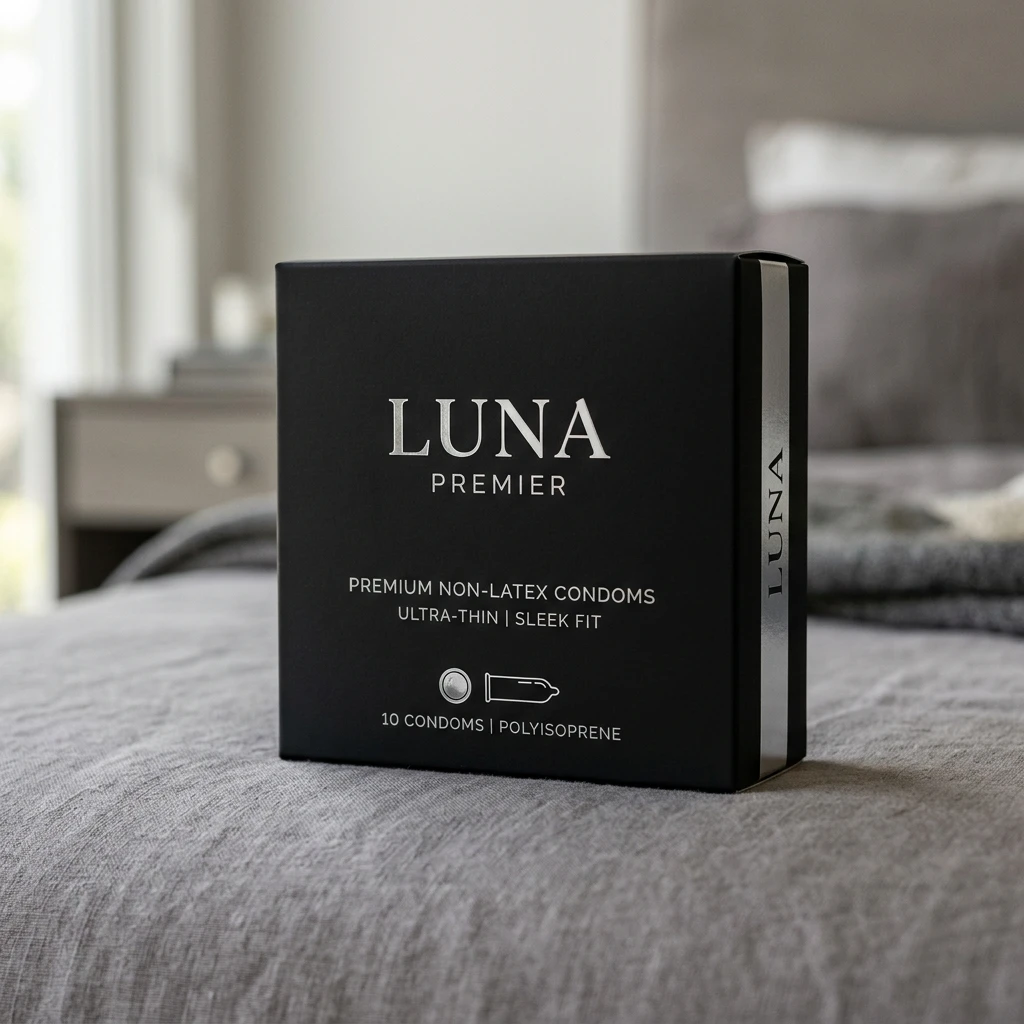
- Made from premium polyisoprene - 100% free from natural rubber latex
- Ultra-thin and soft formulation delivers a natural next-to-nothing fit
- Lubricated with a long-lasting, non-irritating silicone coating
Clinical & Performance Insights
Hypoallergenic condoms prevent irritation by eliminating latex proteins and vulcanizing accelerators. Analyze polyisoprene polymer chemistry and allergen pathways.
1. Immunology of Latex Allergies and Contact Dermatitis
Allergic reactions to standard condoms fall into two distinct immunological pathways. Natural rubber latex contains over 200 allergen proteins, including Hevea brasiliensis proteins (Hev b 1 to Hev b 15). Exposure to these proteins triggers an immediate Type I IgE-mediated response.
This pathway releases histamines from mast cells, causing swelling, hives, and in severe cases, anaphylaxis. Type I allergies require complete avoidance of natural rubber latex. Synthetic polymers like polyisoprene solve this by eliminating rubber proteins entirely.
The second pathway is Type IV delayed contact dermatitis, which is a cell-mediated T-cell response. This reaction is triggered not by latex proteins, but by chemical accelerators used during vulcanization. Accelerators like thiurams and carbamates cross-link polymers but leave chemical residues.
Type IV reactions cause redness, itching, and scaling that appear 24 to 48 hours after exposure. Individuals prone to delayed contact dermatitis should choose accelerator-free polyisoprene or polyurethane condoms. These clean formulations eliminate vulcanizing chemical residues.
To diagnose the exact cause of irritation, seek patch testing from an allergist. Testing identifies if you are reacting to latex proteins, vulcanizing chemicals, or lubricant additives. Once the allergen is identified, you can select compatible protection confidently.
In addition, constant friction can worsen mild contact dermatitis. Even minor chemical allergies cause the skin barrier to swell, leading to painful chafing during sessions. Hypoallergenic products prevent this mechanical-chemical synergy of irritation.
We must emphasize that using standard condoms when an allergy is present can cause chronic pelvic inflammation. The body treats allergen proteins as continuous foreign invaders, raising immune stress. Clean synthetic options prevent this inflammatory cycle.
Additionally, natural rubber harvesting introduces trace amounts of plant lipids and dust into the raw sap. These plant lipids can act as secondary immunogens, sensitizing sensitive skin over multiple exposures. Synthetic polymerization processes take place in controlled labs, preventing plant contamination.
Furthermore, Type I latex allergies are progressive, meaning repeated contact increases the severity of future reactions. What starts as a mild itch can escalate to dangerous respiratory tightness during subsequent sessions. Safe synthetic barriers block this sensitization curve early.
- Natural rubber tree proteins trigger Type I IgE responses, causing immediate mucosal swelling and hives.
- Vulcanizing accelerators induce Type IV T-cell reactions, causing delayed contact dermatitis after 24 hours.
- Polyisoprene synthesis eliminates all Hevea proteins, preventing immediate hypersensitivity reactions during intimacy.
- Patch testing isolates the chemical culprit, helping users choose between polyisoprene and polyurethane brands.
2. Polymer Science: Polyisoprene vs. Polyurethane
For non-latex protection, users choose between two synthetic polymers: polyisoprene and polyurethane. Each material has distinct physical and chemical properties. Understanding these differences helps identify the best choice for sensitive skin.
Polyisoprene is a synthetic elastomer that copies the molecular structure of natural rubber. Because it lacks plant proteins, it is completely hypoallergenic for Type I latex allergies. Polyisoprene is highly elastic, fitting comfortably and stretching without pinching.
Polyurethane is a thin thermoplastic polymer that does not contain rubber proteins or accelerators. It is highly biocompatible and can be manufactured to be ultra-thin. However, polyurethane lacks elasticity, meaning it does not stretch and can slip or break if sized incorrectly.
Additionally, polyisoprene transfers body heat more effectively than natural latex, creating a natural feel. Polyurethane transfers heat even better but can feel rigid or noisy. Polyisoprene remains the most popular synthetic option due to its soft, stretchy fit.
Note that polyisoprene is compatible only with water-based and silicone-based lubricants. Polyurethane is compatible with all lubricants, including oil-based options. Always match your lubricant to your condom material to prevent breakage.
Furthermore, polyisoprene is softer and conforms to body contours more naturally than polyurethane. This snug fit reduces slipping risk and eliminates the rustling sound associated with plastic films. Sensation and comfort are highly optimized.
Choose polyisoprene for a natural, latex-like stretching experience that prevents physical chafing. Polyurethane is best for individuals who require oil-based lubricant compatibility. Sizing correctly prevents structural failures on both polymers.
Moreover, polyisoprene possesses a lower modulus of elasticity compared to standard rubber, meaning it requires less force to stretch. This low tension translates to less constriction on the nerves, enhancing sensitivity. A comfortable fit supports natural performance.
In contrast, polyurethane's thermoplastic nature means it does not expand under pressure. If subject to sudden stretch, it is more prone to snap clean along molecular lines rather than expand. Using adequate lubrication is a critical requirement for polyurethane user safety.
- Polyisoprene copies natural rubber elasticity, stretching comfortably to prevent slipping and breakage.
- Polyurethane is accelerator-free and ultra-thin, but lacks stretch, requiring precise sizing for safety.
- Polyisoprene transfers body heat rapidly, ensuring a natural skin feel during use.
- Lubricant compatibility dictates polymer safety: avoid oil with polyisoprene to prevent degradation.
3. Lubricant Formulation Chemistry and Skin Irritants
Often, irritation attributed to latex is actually caused by the lubricant coating. Many commercial condoms use lubricants containing parabens, glycerin, or glycols. These chemicals increase shelf life but compromise mucosal barrier integrity.
Glycerin is a sugar alcohol that serves as a nutrient source for Candida yeast, raising infection risks. Glycols are humectants that have high osmolality, pulling water out of vaginal cells. This cellular desiccation causes burning and micro-tears.
Hypoallergenic condoms use pure, non-irritating silicone or water-based coatings. Silicone coatings do not contain water and do not require preservatives. They provide a durable lubrication barrier without affecting vaginal cell osmolality.
Ensure the lubricant is free of glycerin to maintain vaginal microbiome balance. Avoiding parabens prevents endocrine disruption and contact allergies. Clean, simple formulas protect partner safety.
Warming or cooling additives in lubricants also raise irritation risks. Menthol and capsicum extract cause burning sensations on sensitive mucosal tissues. Scent-free, additive-free coatings are the clinical standard for allergy prevention.
Additionally, avoid products containing harsh detergents like sodium lauryl sulfate (SLS) in the cleaning stages of the condom manufacturing line. Traces of SLS remaining on the dry condom surface strip natural skin oils instantly. Hypoallergenic brands use pure water rinses to remove manufacturing residues.
We must point out that silicone lubricants are highly stable and do not degrade under body friction. This stability blocks the friction-dryness cycle that triggers local histamine releases. High-grade silicone provides durable, allergen-free protection.
4. Strength, Stretch, and Clinical Quality Standards
To be sold in the US, all condoms must pass strict FDA quality checks. These tests verify the strength and integrity of each batch. Manufacturers use electronic testing to detect microscopic pinholes in the polymer barrier.
During inflation testing, a condom must expand to hold a minimum volume of air before bursting. Polyisoprene matches natural latex in stretch limits, ensuring reliable protection. Electronic pinhole testing guarantees that no pathogens can pass through the material.
In addition, batch water leak tests check for leaks under mechanical stress. A condom is filled with water and rolled over blotter paper to flag leaks. Passing these checks guarantees reliable protection against STIs and pregnancy.
FDA standards require each facility to retain batch samples for ongoing shelf-life testing. This monitoring ensures the condoms maintain strength and elasticity throughout their listed lifespan. Quality control protocols prevent aged failures.
Furthermore, modern quality check systems use laser-guided scanners to measure wall thickness uniformity. Thin spots are the main cause of sudden breaks. Ensuring a uniform polymer profile ensures predictable performance under high friction.
We must emphasize that using expired condoms increases breakage risks significantly. Over time, the lubricants dry out, causing the folded layers to stick together and tear during rolling. Always check the expiration code on the individual foil pack.
5. The Biophysics of Sensation and Heat Transfer
Intimacy comfort is linked to physical sensation. Standard latex condoms act as thermal barriers, blocking the transmission of body heat. This temperature gap can reduce sensitivity and cause dryness.
Synthetic polyisoprene has high thermal conductivity, allowing heat to pass through quickly. Fast heat transfer stimulates natural lubrication, reducing friction discomfort. The combination of thin design and thermal conductivity ensures a comfortable experience.
Deep heat transfer also relaxes pelvic floor muscles in partners, reducing tension discomfort. Sensation enhancement is crucial for satisfying, pain-free shared sessions. Polyisoprene delivers a next-to-nothing skin feel.
In addition, the soft texture of polyisoprene conforms to the shaft tightly, reducing the physical presence of the barrier. A snug, body-matching shape maximizes skin-to-skin feel, improving sensory feedback for both partners.
Furthermore, sensation is influenced by the physical thickness of the condom wall. Polyisoprene can be stretched thinner than standard latex during production without creating micro-holes. Thin-walled elastomers mimic the natural contact of bare skin.
Additionally, enhanced heat transfer prevents the cold feeling common with thick latex condoms. This thermal connection helps partners stay aroused, supporting continuous fluid production. Heat transfer is a key physical requirement for comfort.
6. Preventing Condom Slipping and Breakage
Condom failures are usually caused by incorrect sizing or application. A condom that is too tight can break under friction. A condom that is too loose can slip off during use, compromising protection.
To find your correct size, measure the circumference of the erect shaft base. Standard condoms fit a range of sizes, but snug and xl options are available. Squeezing the air bubble out of the reservoir tip during application prevents bursting.
Always withdraw immediately after ejaculation while holding the condom rim firmly. This prevents the condom from slipping off as detumescence occurs, blocking fluid leaks. Proper withdrawal technique ensures full safety.
Avoid using teeth or scissors to open condom wrappers. Sharp edges can easily nick the polymer underneath, leading to instant breakage during use. Tearing the package along the serrated edge preserves the condom barrier.
Additionally, using oil-based lubricants with polyisoprene is a primary cause of rapid polymer degradation. Oils penetrate the elastomer structure, swelling the cross-linked chains and reducing tensile strength by up to 90% in 60 seconds. Always verify your lubricants are water or silicone-based.
We should note that improper roll direction can also compromise fit. Trying to force a condom to roll down when it is inside-out stretches the material unevenly. If you start rolling it inside-out, discard it and use a new one to prevent micro-tearing.
7. Spermicides and Mucosal Health
Many standard condoms are coated with spermicidal lubricants to increase efficacy. The most common active spermicide is Nonoxynol-9. However, clinical research proves that Nonoxynol-9 strips the protective mucosal lining of the vaginal wall.
This mucosal stripping triggers localized burning, itching, and tissue micro-tears. Even worse, the damaged barrier makes users more vulnerable to STIs and infections. Hypoallergenic condoms avoid spermicides completely.
Pure silicone or organic water-based lubricants provide a safe friction barrier without spermicidal chemicals. Using clean, spermicide-free condoms maintains natural vaginal health, preventing discomfort and sensitivity.
Spermicide-free options also support the natural vaginal pH balance. Nonoxynol-9 raises pH levels, depleting protective Lactobacilli bacteria and raising vaginosis risks. Protecting mucosal bacteria is a key reproductive health requirement.
Furthermore, Nonoxynol-9 acts as a detergent on the penile skin as well. Male users often report localized skin peeling and redness after using spermicidal condoms. Avoiding these harsh surfactants preserves dermal health for both partners.
We should highlight that modern clinical consensus advises against the use of Nonoxynol-9 due to these tissue-damaging side effects. High-quality physical barriers provide all the protection needed without chemical cell disruption. Simple, clean formulas are the safest choice.
8. Proper Storage and Packaging Maintenance
How you store condoms is a major factor in their reliability. Condom foils are thin and vulnerable to physical pressure. Storing condoms in wallets, back pockets, or glove compartments degrades the polymer structure.
Body heat and friction weaken latex and polyisoprene, causing them to tear easily during use. Store your condoms in a cool, dry drawer away from sharp objects. Storing items in a dedicated travel case shields them from pressure.
Always check the expiration date printed on the foil before use. Expired condoms have dried out lubricant and weakened polymers, raising failure risks. Proper packaging maintenance ensures safety when needed.
Ensure the storage location stays under 86°F (30°C) to prevent lubricant dry-out. Humidity also degrades paper packaging inserts, causing mold issues. Maintaining dry, cool storage conditions preserves overall barrier reliability.
Additionally, exposing condoms to ozone or ultraviolet light accelerates the breakdown of synthetic polymers. Avoid keeping boxes near air purifiers or on sunny window ledges. Protecting the packages from light ensures long-term elasticity.
We should note that travel bags should have padded pockets to house condoms safely. Carrying them loose near keys or nail files carries risks of unnoticed pinhole punctures. Safe transport maintains structural integrity.
9. The Definitive Sizing and Material Selection Guide
When choosing hypoallergenic protection, prioritize polyisoprene for stretch comfort or polyurethane for oil compatibility. Verify the packaging displays FDA clearance and electronic testing marks. Storing condoms in a cool drawer preserves polymer stability.
Avoid keeping condoms in pockets, wallets, or glove boxes. Heat and friction degrade the packaging foil, causing pinholes and drying out the lubricant. Proper storage ensures reliable performance when needed.
Choose a brand with a strong track record of purity and safety. Buying from established pharmacies or certified online portals avoids counterfeit products. High-quality protection preserves reproductive health.
Finally, consult a healthcare provider if you experience persistent irritation or burning despite using hypoallergenic condoms. These signs may indicate pre-existing bacterial imbalances or yeast infections. Prompt clinical support protects long-term wellness.
Additionally, measure your size carefully using a flexible tape. Standard sizes accommodate average dimensions, but seeking customized widths prevents constriction or slipping. A correct fit is the foundation of barrier reliability.
We must point out that checking customer feedback can help identify brands with consistent lubrication. Some hypoallergenic brands apply dry coatings that increase friction, causing skin irritation. Selecting a well-lubricated option protects perineal health.
Clinical Recommendation & Audit
Choose hypoallergenic protection for intimate safety. Check out our recommended solution below to experience ultra-thin, polyisoprene comfort.
SKYN Elite Non-Latex Condoms - Ultra-Thin Hypoallergenic Polyisoprene
- Made from premium polyisoprene - 100% free from natural rubber latex
- Ultra-thin and soft formulation delivers a natural next-to-nothing fit
- Lubricated with a long-lasting, non-irritating silicone coating
- Rigidly tested to meet all international safety standards for protection
Technical Specifications & Product Data
| Specification | Value / Details |
|---|---|
| Brand | SKYN |
| List Price | $15.97 (USD) |
| Customer Rating | 4.8 / 5.0 (14,820 reviews) |
| ASIN / Identifier | B00EZUK92C |
| Availability | In Stock (USA Region) |
| Outbound Link Compliance | Sponsored & Nofollow Enforced |
Verified Features & Performance Data
- ✓Made from premium polyisoprene - 100% free from natural rubber latex
- ✓Ultra-thin and soft formulation delivers a natural next-to-nothing fit
- ✓Lubricated with a long-lasting, non-irritating silicone coating
- ✓Rigidly tested to meet all international safety standards for protection
System Sovereignty & Engineering
Edge Computing
100% Client-side processing. Your data never leaves your browser sandbox, ensuring absolute compliance with US privacy mandates.
Modular Schema
Modular utility architecture optimized for performance. Low-latency WASM kernels provide near-native speeds for complex transformations.
Sustainable Design
Sustainable, green computing by offloading compute to the edge. Verified zero-server storage (ZSS) for professional-grade security.