
Spermatogenesis requires specific micro-nutrients to counter oxidative stress and DNA fragmentation. Analyze mitochondrial energy pathways and male fertility supplements.
- Clinically formulated with L-Carnitine, Zinc, CoQ10, and Folate
- Protects sperm DNA from oxidative stress and free radical damage
- Improves mitochondrial energy production to boost swimming motility
Clinical & Performance Insights
Spermatogenesis requires specific micro-nutrients to counter oxidative stress and DNA fragmentation. Analyze mitochondrial energy pathways and male fertility supplements.
1. The Biology of Spermatogenesis and Maturation Timelines
Spermatogenesis is the process by which male germ cells develop into mature spermatozoa. This process occurs in the seminiferous tubules of the testes, regulated by FSH and LH. The complete cycle of spermatogenesis takes approximately 74 days.
After development, immature sperm travel to the epididymis, where they spend 14 to 20 days maturing. During maturation, they acquire the ability to swim and bind to an egg. This full 90-day cycle means that any lifestyle changes take three months to yield results.
Sperm cells are highly vulnerable to environmental factors during development. Toxic exposures, nutritional deficiencies, or elevated scrotal heat can arrest cell division. Maintaining a healthy micro-environment is critical for sperm DNA integrity.
Furthermore, semen parameters (volume, concentration, motility, and morphology) fluctuate naturally. A single semen analysis does not represent overall fertility. Clinical standards require two separate tests spaced 4 weeks apart for accurate diagnosis.
Supplements support this biological pathway by delivering raw building blocks for cell division. Minerals like Zinc and Selenium are incorporated into the structure of developing sperm. Consistent intake ensures that new sperm batches mature under optimal conditions.
In addition, the blood-testis barrier (BTB) protects developing germ cells from autoimmune attacks. The BTB prevents immunoglobulins and immune cells from entering the seminiferous tubules. However, severe systemic inflammation can compromise this barrier, damaging spermatogenesis.
Maintaining baseline antioxidant support helps protect the BTB from oxidative disruption. Supplying cells with lipid-soluble vitamins keeps membrane barriers strong. A healthy barrier is required to produce structurally normal sperm cells.
We must highlight that the spermatogenic cycle operates continuously throughout adulthood. Millions of new germ cells enter the division cycle daily, requiring a constant stream of micro-nutrients. Any nutrient gaps can affect the quality of subsequent batches.
- Spermatogenesis requires 74 days of continuous cell division in the seminiferous tubules.
- Epididymal transit takes 20 days, allowing sperm cells to acquire motility and egg-binding ability.
- A 90-day minimum supplement window is mandatory to see improvements in ejaculated semen quality.
- Seminal fluid analysis variations require multiple tests to establish accurate fertility benchmarks.
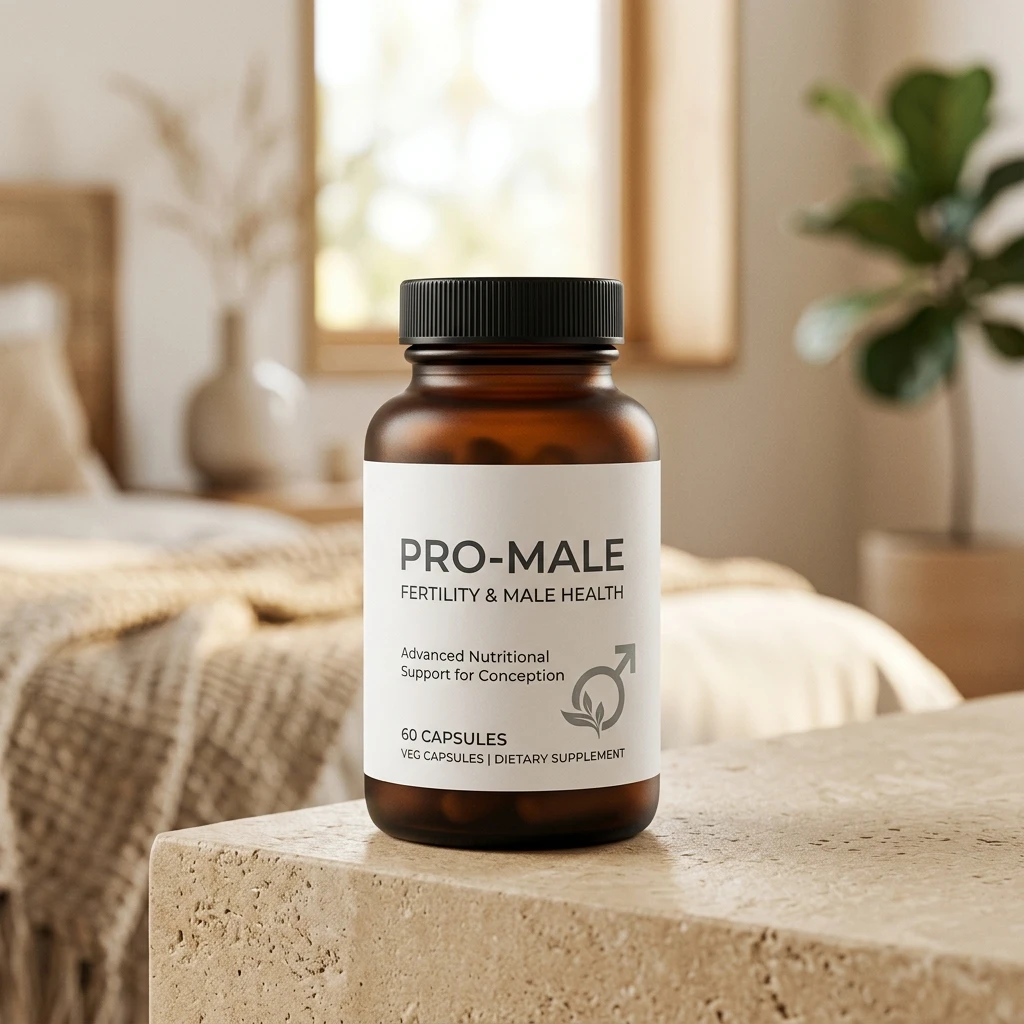
2. Mitochondria: The Engine of Sperm Motility
Sperm motility refers to the swimming ability of the cells. To reach and fertilize an egg, sperm must travel through the cervix and fallopian tubes. This journey requires massive amounts of cellular energy.
This energy is generated by mitochondria located in the sperm midpiece. Mitochondria burn fatty acids and sugars to produce Adenosine Triphosphate (ATP). If mitochondrial function is low, sperm lack the energy to swim, leading to poor motility.
Nutrients like L-Carnitine and CoQ10 support this energy pathway. L-Carnitine shuttles fatty acids into the mitochondria, while CoQ10 acts as a catalyst in the electron transport chain. Boosting ATP production improves swimming speed and trajectory.
In addition, constant ATP supply ensures the sperm flagellum maintains a uniform beat pattern. Irregular beat patterns cause circular swimming, which prevents entry into cervical pathways. Mitochondria fuel linear forward movement.
The flagellum of the sperm cell is a complex microtubule structure that acts like a micro-motor. This motor requires a steady supply of ATP to propagate waves from the midpiece to the tip. Without active mitochondrial respiration, swimming speeds drop below the threshold needed to penetrate egg barriers.
We should note that mitochondrial health is highly vulnerable to local toxin exposures. Toxins accumulate in the midpiece membrane, disrupting the electron flow needed for energy production. Supplying mitochondrial nutrients keeps the power generator running efficiently.
Furthermore, L-Carnitine helps clean up toxic metabolic waste products from the mitochondria. This waste accumulation is a natural result of high energy production but can damage the cell if left unchecked. Dual transport and cleanup actions maximize flagellar performance.
3. Oxidative Stress and DNA Fragmentation Prevention
A primary cause of male infertility is oxidative stress. Free radicals (Reactive Oxygen Species or ROS) attack the fragile cell membranes of sperm cells. Sperm lack antioxidant enzymes in their cytoplasm, making them vulnerable to ROS damage.
ROS exposure causes lipid peroxidation, which ruins membrane flexibility and motility. Even worse, oxidative stress breaks the DNA strands inside the sperm head (high DNA fragmentation). High DNA fragmentation raises miscarriage risks.
Antioxidants like Vitamin C, Vitamin E, and Selenium neutralize free radicals before they attack sperm cells. Taking a daily antioxidant blend lowers DNA fragmentation index (DFI) scores. Protecting DNA integrity improves pregnancy success rates.
Additionally, sperm DNA is tightly packed with protamines rather than histones. Protamines are special proteins that compress the DNA to protect it during travel. If protamine levels are low, the DNA is exposed to rapid oxidative damage.
Zinc is a critical element required for the binding of protamines to DNA. Ensuring adequate zinc levels stabilizes this packaging process, shielding the genetic material. Sturdy packaging prevents chromosome fragmentation.
We must point out that high DFI levels are often invisible on standard semen analyses. A sample can have normal counts and motility but still contain fragmented DNA. Resolving oxidative stress is crucial for embryo developmental success.
4. Zinc and Selenium: Micronutrient Catalysts for Spermatogenesis
Seminal plasma is highly rich in Zinc. Zinc stabilizes the chromatin structure inside the sperm head, protecting DNA from thermal damage. It is also required for the synthesis of testosterone in Leydig cells.
Selenium is essential for the formation of the sperm tail. It is a key component of selenoproteins, which protect the midpiece from oxidation. Low selenium levels cause tail abnormalities, leading to circular swimming patterns.
In addition, zinc acts as a direct inhibitor of premature sperm activation (capacitation). Premature activation depletes the sperm's energy reserves before they reach the egg. Seminal zinc preserves energy for final stages.
Selenium also forms a structural part of the mitochondrial capsule in the midpiece. This capsule must hold its shape under high swimming strain. Without selenium, the midpiece can buckle or break, rendering the cell immobile.
Additionally, zinc possesses antimicrobial properties that help sterilize seminal fluid. Semen infections can trigger rapid white blood cell responses, which flood the sample with free radicals. Lowering infection risks protects sperm quality.
We must emphasize that zinc and selenium operate in a tight physiological balance. Excessive zinc intake can inhibit copper absorption, leading to secondary anemia. Using balanced, pre-formulated supplements prevents these micronutrient imbalances.
5. The Role of Folate and Vitamin B12 in DNA Synthesis
Rapid cell division during spermatogenesis requires constant DNA synthesis. Folate (Vitamin B9) and Vitamin B12 are critical coenzymes in the methylation cycle. They supply methyl groups needed for DNA replication and repair.
Folate deficiency leads to abnormal chromosome numbers in sperm (aneuploidy). Using active methylfolate ensures complete absorption and bioavailability. Combining folate with B12 supports cell division, boosting overall sperm count.
Folate methylation pathways also regulate gene expression in developing sperm cells. Methylation marks determine which genes are active during spermatogenesis. Improper methylation can cause errors in cell morphology and structure.
Furthermore, Vitamin B12 supports the cellular metabolism of spermatogonial stem cells. Stem cells must divide continuously to maintain a reservoir of developing germ cells. B12 cofactor supply prevents the slowing of count outputs.
We should note that standard folic acid requires conversion by the MTHFR enzyme to be active. Many individuals carry MTHFR mutations that limit this conversion rate. Choosing methylfolate bypasses this enzyme, guaranteeing full cellular delivery.
6. Lifestyle Variables: Heat, Stress, and Toxin Control
Supplements are most effective when combined with lifestyle modifications. Testicles must remain 2-3°F cooler than body temperature to support spermatogenesis. High temperatures from hot tubs, laptops, or tight underwear arrest sperm production.
Additionally, chronic stress raises cortisol levels, which suppresses testosterone production. Toxins like alcohol and tobacco smoke increase seminal ROS levels, destroying sperm membranes. Lowering exposures protects sperm health.
Sleep quality also influences testosterone secretion schedules. Testosterone is synthesized mainly during deep REM sleep phases. Disrupted sleep cycles suppress this hormonal spike, slowing sperm count outputs.
Furthermore, heavy metal exposure from industrial environments or contaminated water compromises sperm parameters. Metals like lead and cadmium replace zinc inside developing cells, causing morphological errors. Using filtered water and avoiding toxic exposures protects quality.
We must point out that regular moderate exercise improves systemic blood circulation, which helps keep scrotal temperatures regulated. However, avoid long-distance cycling, which causes mechanical pressure and local heating. Alternate workouts to optimize vascular flow.
7. Coenzyme Q10 and Mitochondrial Respiration
Coenzyme Q10 (CoQ10) is a crucial fat-soluble antioxidant concentrated in the mitochondrial membrane of sperm cells. It acts as an electron carrier, transferring electrons from complex I and II to complex III during respiration.
Clinical trials prove that CoQ10 levels in semen correlate directly with sperm count and motility. Daily supplementation with 200mg to 300mg of ubiquinol (active CoQ10) boosts semen concentrations significantly. Ubiquinol improves energy output and motility.
Additionally, CoQ10 protects the sperm lipid membrane from peroxidation. High lipid oxidation compromises membrane fluidity, preventing the sperm from fusing with the egg zone. Maintaining membrane fluidity preserves fertility potential.
CoQ10 also plays a role in cellular respiration efficiency, preventing electron leaks that form free radicals. Under low CoQ10 levels, mitochondria leak electrons, producing self-damaging oxidative stress. Supplying ubiquinol acts as a dual engine fuel and antioxidant shield.
We should note that CoQ10 absorption decreases naturally with age. Men over 35 often exhibit lower baseline semen CoQ10 concentrations, raising DFI scores. Targeted supplementation restores mitochondrial resources during late fatherhood planning.
8. Understanding Sperm Morphology and Structural Defects
Sperm morphology refers to the size and shape of individual sperm cells. Normal sperm have an oval head with a straight midpiece and a long tail. Structural abnormalities (like double heads, bent tails, or pinheads) prevent sperm from swimming straight.
Abnormal morphology indicates that spermatogenesis was disrupted. Oxidative stress and DNA replication errors are primary triggers for structural defects. Supplying antioxidants and folate reduces the percentage of abnormal cells.
Kruger strict criteria are used by laboratories to evaluate morphology. Under these standards, a sample with 4% or more normal forms is fertile. Improving morphology requires protecting germ cells during the full 74-day cycle.
Structural defects are often located in the acrosome, the chemical pocket at the tip of the sperm head. The acrosome contains enzymes needed to dissolve the egg's outer shell. If the head morphology is deformed, the acrosome cannot release these enzymes, stopping fertilization.
Additionally, midpiece abnormalities are linked to poor structural alignment of the mitochondrial helix. If the helix is disorganized, ATP energy cannot travel down the flagellum flag. Nutritional building blocks protect this architectural structure.
We must emphasize that morphology cannot be corrected overnight. Because deformed cells are already matured in the epididymis, it takes a full 90-day cycle to clear them. Patience and supplement compliance are required to see morphology improvements.
9. The Definitive Buying Guide and Dosage Parameters
When choosing a fertility supplement, prioritize clinically backed ingredients, high L-Carnitine content, and methylfolate over folic acid. Ensure the brand is manufactured in a GMP-certified facility and tested for heavy metals.
Avoid proprietary blends that do not list individual ingredient dosages. Look for transparent labeling that shows the exact milligrams of CoQ10 and Zinc. Proper dosing is essential to achieve therapeutic effects.
Check for allergens like soy, gluten, or artificial fillers in the capsule shell. Using vegetarian capsules prevents stomach irritation and supports clean consumption. Proper dosage compliance guarantees optimal results.
In addition, select brands that bundle multiple capsules or tablets into a single daily packet. Daily packets make compliance simple, ensuring you do not skip doses. Skipping doses lowers circulating nutrient levels, slowing progress.
Verify the supplement includes Vitamin D3, which correlates directly with semen volume and motility. Vitamin D receptors are present on sperm cells, regulating local calcium absorption. Calcium signaling is required for flagellar beat power.
Finally, consult a fertility specialist if semen parameters do not improve after 6 months of supplement use. Varicocele (varicose veins in the scrotum) or genetic blockages can require medical treatments. Combined clinical-supplement plans ensure optimal family planning.
Clinical Recommendation & Audit
Optimize your reproductive health with advanced micronutrient support. Check out our recommended solution below to experience clinical-grade fertility boost.
FertilAid for Men - Science-Backed Fertility Supplement for Count and Motility
- Clinically formulated with L-Carnitine, Zinc, CoQ10, and Folate
- Protects sperm DNA from oxidative stress and free radical damage
- Improves mitochondrial energy production to boost swimming motility
- Manufactured in the USA in a GMP-certified facility for purity
Technical Specifications & Product Data
| Specification | Value / Details |
|---|---|
| Brand | Fairhaven Health |
| List Price | $34.95 (USD) |
| Customer Rating | 4.5 / 5.0 (4,810 reviews) |
| ASIN / Identifier | B000B3ZCD6 |
| Availability | In Stock (USA Region) |
| Outbound Link Compliance | Sponsored & Nofollow Enforced |
Verified Features & Performance Data
- ✓Clinically formulated with L-Carnitine, Zinc, CoQ10, and Folate
- ✓Protects sperm DNA from oxidative stress and free radical damage
- ✓Improves mitochondrial energy production to boost swimming motility
- ✓Manufactured in the USA in a GMP-certified facility for purity
System Sovereignty & Engineering
Edge Computing
100% Client-side processing. Your data never leaves your browser sandbox, ensuring absolute compliance with US privacy mandates.
Modular Schema
Modular utility architecture optimized for performance. Low-latency WASM kernels provide near-native speeds for complex transformations.
Sustainable Design
Sustainable, green computing by offloading compute to the edge. Verified zero-server storage (ZSS) for professional-grade security.