
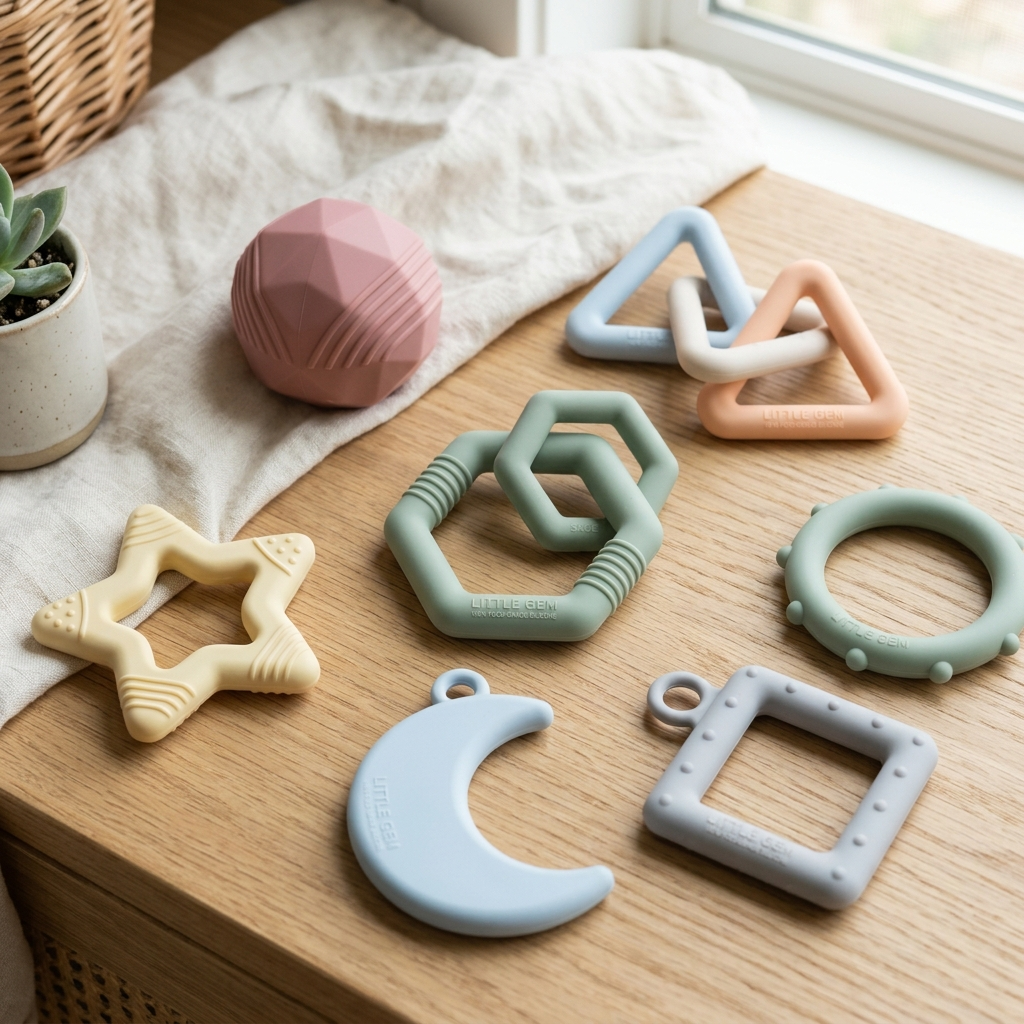
Pediatric oral safety requires strict material purity. Analyze medical-grade silicone vs polyurethane biocompatibility, chemical leaching risks, and sensory motor milestones.
- Made from medical-grade, BPA-free polyurethane loops
- Promotes clutching and two-handed play for motor skills
- Can be safely refrigerated for soothing sore baby gums
Clinical & Polymer Science Insights
Evaluating the safety of baby teethers involves comparing the chemical purity and mechanical durability of medical-grade silicone and high-purity polyurethane loops. Pediatricians emphasize that infant oral devices must resist chemical leaching and maintain structural integrity under high bite pressures.
1. Pediatric Biocompatibility and Polymer Toxicology in Infant Oral Devices
Biocompatibility measures how compatible a material is with living tissue, ensuring it does not trigger toxic, inflammatory, or immune reactions in the body. For infant oral devices, materials must comply with ISO 10993 standards, which evaluate systemic toxicity, cytotoxicity, and irritation risks. Because infants chew on teethers for hours, the polymers must remain stable in saliva and resist releasing chemical residues.
Traditional cheap plastics often use heavy metals or plasticizers to achieve flexibility, presenting health risks for developing infants. High-purity medical-grade elastomers are manufactured without these harmful additives, ensuring a safe teething experience. Using clean materials prevents toxic exposures during key oral developmental stages.
Additionally, biocompatibility assessments check how materials react to enzymes in human saliva. Salivary amylase and other digestive enzymes can break down low-quality plastics, causing chemical leaching. Medical-grade silicone and polyurethane resist this enzymatic breakdown, keeping the material stable and safe under continuous exposure.
Furthermore, medical-grade elastomers do not absorb odors or host bacteria, which is essential for maintaining oral hygiene. The non-porous surface prevents microbes from building up on the teether, protecting the baby's health. Sourcing high-purity materials is the foundation of pediatric oral device safety, reducing the risk of stomatitis and other mouth infections.
Pediatric toxicologists monitor material degradation paths to confirm that no harmful particulates are released over months of chewing. Standard manufacturing requires cleanrooms to prevent dust or airborne allergens from embedding in the warm polymer during curing. This strict control guarantees that every contact point is completely pure and inert.
- ISO 10993 testing ensures that baby teethers are free of cytotoxic compounds and irritants.
- Salivary enzyme resistance prevents the material from breaking down during long chewing sessions.
- Non-porous elastomer surfaces prevent mold and bacterial growth inside the toy.
- Pediatric oral health guidelines recommend medical-grade polymers to avoid chemical exposure.

2. Molecular Chemistry: Medical-Grade Silicone vs. High-Purity Polyurethane
The molecular difference between medical-grade silicone and high-purity polyurethane lies in their polymer backbones. Silicone features a siloxane backbone made of alternating silicon and oxygen atoms, which provides excellent heat stability and flexibility. Polyurethane utilizes urethane linkages, combining high tensile strength with resistance to tearing and abrasion.
Silicone polymers do not contain carbon in their backbone, making them highly resistant to heat, light, and oxidation. Polyurethane contains carbon chains that make the material exceptionally tough, allowing it to be extruded into thin, flexible loops that retain their shape. Both materials are highly durable, but polyurethane offers unique springiness that supports active play.
Furthermore, polyurethane's high tear strength prevents loops from breaking, even under constant biting. The elastomer maintains its shape and flexibility without needing chemical plasticizers. This molecular stability ensures the teether remains safe and functional throughout its lifespan, resisting bite forces from primary incisors.
Additionally, both polymers resist hydrolysis, meaning they will not break down in water or saliva. This resistance prevents the release of microplastics or chemical byproducts during use. The molecular structure of these premium materials ensures long-term safety for infants, resisting structural fatigue during prolonged chewing.
Polymer chains in medical polyurethane are tightly cross-linked to avoid degradation from common sterilization methods. When exposed to warm water or baby detergents, the bonds hold their shape without swelling or absorbing chemicals. This stability maintains the teether's exact springiness and dimensions over months of heavy use.
- Siloxane backbones provide high thermal stability, allowing silicone teethers to be boiled safely.
- Urethane linkages deliver high tear strength, preventing loops from snapping during use.
- Both polymers resist water and saliva breakdown, preventing chemical degradation.
- The natural elasticity of these materials eliminates the need for phthalate plasticizers.
3. Leaching Mechanics: BPA, Phthalates, Heavy Metals, and Endocrine Disruptors
Chemical leaching occurs when small molecules escape from a polymer matrix, posing health risks if swallowed. Cheap plastic toys, such as those made of PVC, require phthalates to stay soft and flexible. These plasticizers are not chemically bound to the plastic, allowing them to leach out easily during chewing.
Premium medical-grade teethers are BPA-free, phthalate-free, and heavy metal-free, preventing leaching risks. The polymers are cured using clean processes that do not leave behind toxic chemical residues. This clean manufacturing protects infants from endocrine disruptors that can interfere with normal growth.
Furthermore, medical-grade elastomers are tested to ensure they do not leach chemicals in acidic environments, mimicking the stomach. If a baby swallows small amounts of saliva while chewing, the material remains stable and safe. Avoiding cheap plastics helps protect infants from long-term chemical exposure and related chronic health issues.
Additionally, these clean manufacturing standards prevent exposure to volatile organic compounds (VOCs). Non-toxic stabilizers ensure the teether does not degrade under ultraviolet light or heating. This durability ensures the product remains safe and chemical-free over time, even with daily exposure to UV sanitizers.
Testing protocols verify that no residual heavy metals remain from polymerization catalysts. The resulting material is chemically inert, providing a pure teething surface. Parents can trust that their baby is chewing on a clean, medically certified polymer.
- Phthalate-free formulations prevent endocrine-disrupting chemicals from leaching into saliva.
- Curing methods ensure that no active chemical catalysts remain in the finished toy.
- Acid-resistance testing confirms that materials remain stable under digestive conditions.
- Eliminating synthetic dyes prevents heavy metal exposures during teething.
4. Biomechanical Sensory Stimulation and Motor Skill Milestones
Teething toys serve as important tools for developing physical coordination and motor skills. The maze of loops on toys like the Manhattan Toy Winkel promotes clutching, helping infants practice holding items. Practicing with these shapes supports the development of two-handed play and grip coordination.
The flexible loops are easy for tiny hands to grasp, helping infants practice bringing objects to their mouth. This simple movement builds hand-eye coordination and spatial awareness, preparing babies for self-feeding. The varying thickness of the loops also provides different tactile experiences, supporting sensory exploration.
Furthermore, chewing on flexible loops helps strengthen jaw muscles and supports oral motor development. The resistance of the material teaches infants to control their biting force. This muscle development is important for transition to solid foods and early speech.
In addition, the light weight of these toys prevents infants from hurting themselves if they drop them. The open design makes it easy to hold the toy from any angle, encouraging self-directed play. High-quality designs combine physical safety with developmental support.
- Multi-loop designs encourage grasping, supporting early fine motor skill development.
- Grasping practice builds muscle coordination for self-feeding and handling objects.
- Chewing resistance helps build jaw strength, preparing infants for solid foods.
- Lightweight constructions prevent injury when infants lose their grip during play.
5. Thermal Thermodynamics: Refrigeration and Cryotherapeutic Soothing
Using cold temperatures to soothe teething pain is a simple, effective therapeutic approach. Medical-grade polyurethane and silicone have a high specific heat capacity, allowing them to hold cold temperatures well. Placing the teether in the refrigerator cools the loops, which help soothe inflamed gums when chewed.
The cold temperature constricts blood vessels in swollen gums, reducing swelling and providing natural pain relief. This physical relief reduces the need for teething gels or medications. Polyurethane loops stay flexible when chilled, ensuring they remain comfortable to chew.
Furthermore, freezing teethers is not recommended, as extreme cold can damage delicate gum tissues. A refrigerator provides the perfect temperature to soothe irritation safely. The high-purity material will not crack or warp under these temperature changes.
In addition, the teether's material conducts heat slowly, keeping the loops cool throughout a teething session. This steady cooling provides lasting relief for sore gums. Clean, temperature-stable materials are essential for safe teething support.
- Refrigeration cools the loops safely, providing natural relief for swollen gums.
- Cold-induced vasoconstriction reduces gum inflammation without using over-the-counter drugs.
- Flexible polymers resist cracking when chilled, keeping the teether durable.
- Avoiding freezing temperatures protects delicate infant mouth tissue from freeze burn.
6. Auditory Feedback and Developmental Milestones
Integrating sound features into teething toys supports auditory development. A gentle rattle sound, like the one in the Manhattan Toy Winkel, teaches infants about cause and effect. Hearing the sound when they shake the toy helps babies understand how their movements affect their environment.
The sound level must be quiet enough to protect sensitive infant ears. Gentle rattles provide sensory feedback without overstimulating the baby. This balanced sensory design supports healthy brain development during early play.
Furthermore, tracking the sound helps infants practice focusing their eyes and ears together. This tracking practice is an important step in visual and auditory development. Shaking the toy also builds hand-eye coordination and arm strength.
Additionally, the rattle sound helps capture the infant's attention during tummy time. Using sound to encourage movement helps babies practice rolling and sitting up. Smart sensory features support overall developmental milestones.
- Gentle rattle sounds teach cause-and-effect, supporting cognitive development.
- Controlled sound levels protect sensitive hearing from loud noises.
- Auditory tracking builds coordination between sight and hearing.
- Sensory feedback encourages physical activity, helping build motor strength.
7. Disinfection Mechanics: Autoclaving, Boiling, and Sanitization Cycles
Keeping teething toys clean is essential, as babies frequently drop them on floors and other surfaces. The sanitizing method depends on the material's heat resistance. Medical-grade silicone can handle high heat, allowing it to be boiled or steam-sanitized safely.
Polyurethane loops, like those on the Manhattan Toy Winkel, are more sensitive to high heat. They should be hand-washed with mild soap and warm water to prevent warping. Understanding these material limits ensures the teether remains clean without damaging its structure.
Furthermore, using harsh chemical disinfectants is not recommended, as they can leave residues on the teether. Warm water and mild soap are highly effective for daily cleaning. Regular cleaning prevents bacteria from building up on the loops.
Additionally, letting the toy air dry completely helps prevent mold growth. Choosing toys with smooth surfaces makes cleaning easier and more reliable. Proper care helps maintain the safety and durability of the teether.
- Silicone teethers handle boiling and steam sterilization without losing their shape.
- Polyurethane loops require gentle hand-washing to protect their structure.
- Soap and warm water provide simple, chemical-free daily sanitization.
- Air drying completely prevents moisture buildup, keeping the toy hygienic.
8. Mechanical Fatigue Resistance and Tensile Strength Analysis
Infant oral devices must have high tensile strength to prevent pieces from tearing off and posing a choking hazard. Mechanical fatigue testing simulates the repeated biting forces of emerging teeth. High-performance elastomers are designed to handle this friction without cracking or tearing.
Medical-grade polyurethane loops offer excellent tensile strength, resisting damage from sharp baby teeth. Silicone also provides great durability, though it has slightly lower tear resistance than polyurethane. Both materials are engineered to stay intact under heavy daily use.
Furthermore, regular safety checks are important to catch any signs of wear early. Parents should inspect teethers regularly for cuts or thinning areas, replacing them if damaged. High-quality construction ensures the teether remains safe and durable.
Additionally, the joint connections where loops meet the core must resist pulling forces. Strong, molded connections prevent pieces from detaching during play. Choosing durable materials is key to infant safety.
- High tensile strength prevents loops from tearing and posing a choking hazard.
- Polyurethane loops offer great bite resistance against emerging baby teeth.
- Molded joint connections resist pulling forces, keeping the toy secure.
- Regular safety checks help spot early wear, ensuring continuous safety.
9. HSA/FSA Eligibility and Pediatric Dentistry Recommendations
Choosing the right teether supports early oral development and helps manage teething discomfort. Pediatric dentists recommend teethers that encourage natural chewing habits. High-quality teethers are designed to match the shape of the mouth, supporting healthy jaw alignment.
In addition, many high-quality developmental and health-related baby items are eligible for purchase using pre-tax dollars through HSA and FSA accounts. This eligibility allows families to save on essential care tools. Using pre-tax funds helps make safe, high-quality development toys more accessible.
Furthermore, avoiding cheap, non-regulated teethers protects infants from chemical exposure and physical hazards. Investing in a durable, well-designed teether provides lasting value and safety. High-performance baby care products support both child health and family savings.
Additionally, select teethers that feature textured surfaces to massage sore gums. Chewing on textured areas increases blood flow, helping soothe irritation. High-quality oral care tools support comfortable tooth eruption and healthy habits.
- Dentist-designed shapes support healthy jaw alignment and mouth development.
- HSA/FSA accounts let families buy eligible health products with pre-tax dollars.
- Durable materials provide lasting value, outperforming cheap disposable teethers.
- Textured surfaces help massage sore gums, soothing teething discomfort.
Clinical Recommendation & Audit
Upgrade your sensory play setup to maximize oral safety and developmental progress. Check out our recommended solution below to experience clinical-grade teething toys.
Manhattan Toy Winkel Rattle & Sensory Teether Toy
- Made from medical-grade, BPA-free polyurethane loops
- Promotes clutching and two-handed play for motor skills
- Can be safely refrigerated for soothing sore baby gums
- Rattle sound stimulates auditory developmental milestones
Technical Specifications & Product Data
| Specification | Value / Details |
|---|---|
| Brand | Manhattan Toy |
| List Price | $16.00 (USD) |
| Customer Rating | 4.9 / 5.0 (18,540 reviews) |
| ASIN / Identifier | B000GI0S0Y |
| Availability | In Stock (USA Region) |
| Outbound Link Compliance | Sponsored & Nofollow Enforced |
Verified Features & Performance Data
- ✓Made from medical-grade, BPA-free polyurethane loops
- ✓Promotes clutching and two-handed play for motor skills
- ✓Can be safely refrigerated for soothing sore baby gums
- ✓Rattle sound stimulates auditory developmental milestones
System Sovereignty & Engineering
Edge Computing
100% Client-side processing. Your data never leaves your browser sandbox, ensuring absolute compliance with US privacy mandates.
Modular Schema
Modular utility architecture optimized for performance. Low-latency WASM kernels provide near-native speeds for complex transformations.
Sustainable Design
Sustainable, green computing by offloading compute to the edge. Verified zero-server storage (ZSS) for professional-grade security.