
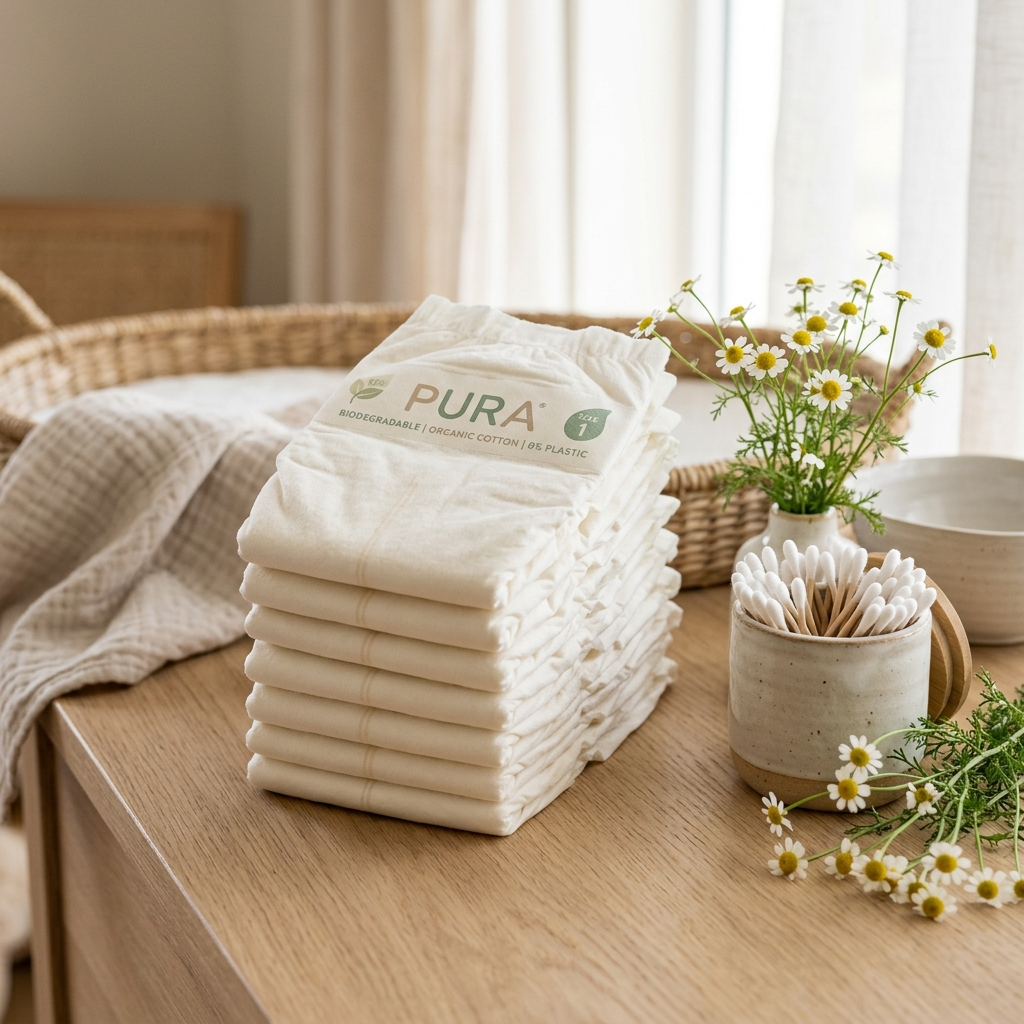
Pediatric dermatologists emphasize barrier protection. Analyze epidermal pH, plant-based cellulose vs synthetic polymers, and totally chlorine-free (TCF) bleaching to prevent diaper dermatitis.
- Made with 25% plant-based materials and sustainable wood pulp
- Hypoallergenic and free of chlorine, dyes, and fragrance
- Up to 70% more absorbent than conventional synthetic diapers
Clinical & Material Science Insights
Evaluating the safety of baby diapers involves comparing the physical properties of plant-based biodegradable fibers against petroleum-derived synthetic plastics. Pediatric dermatologists emphasize that maintaining the skin barrier and preventing moisture buildup are crucial for preventing irritant diaper dermatitis.
1. Epidermal Barrier Function and Neonatal Skin Physiology
The stratum corneum of an infant is significantly thinner and more fragile than that of an adult, making it highly susceptible to physical and chemical damage. The skin's acid mantle maintains a natural pH range between 4.5 and 5.5, which helps protect against bacterial and fungal infections. When a diaper holds moisture against the skin, urine and fecal enzymes break down this acidic barrier, raising skin pH and triggering irritation.
Prolonged wetness causes skin hydration levels to rise, making the stratum corneum swell and weaken. This over-hydration increases friction between the diaper and the skin, allowing irritants like fecal lipases and proteases to penetrate deeper. To prevent this breakdown, diaper materials must draw moisture away from the skin immediately to maintain a dry microclimate.
Additionally, high moisture levels disrupt the lipids that bind skin cells together, increasing transepidermal water loss (TEWL). Measuring TEWL helps dermatologists evaluate how well diaper designs protect skin health. Diapers that fail to manage moisture can lead to chronic inflammation, requiring medical treatment.
In contrast, maintaining a dry skin surface helps preserve the barrier and prevents diaper rash. Infant skin requires continuous airflow to regulate temperature and humidity, especially during long overnight sleep cycles. Using materials that support these natural skin functions is the foundation of pediatric skin care.
- Infant skin thickness is roughly 30 percent less than adult skin, highlighting the need for gentle materials.
- Urea breakdown releases ammonia, which raises skin pH and activates damaging fecal enzymes.
- Transepidermal water loss (TEWL) serves as a key marker for evaluating skin barrier damage.
- Managing moisture levels helps prevent yeast overgrowth, such as Candida albicans, in the diaper area.

2. Comparative Analysis of Plant-Based Cellulose vs. Synthetic Polymers
The raw materials used in diapers determine how they interact with skin and how they affect the environment. Premium organic diapers use plant-based cellulose sourced from sustainable wood pulp, alongside biodegradable PLA (polylactic acid) fibers. Conventional synthetic diapers rely on petroleum-based plastics like polypropylene, polyester, and polyethylene for their core structure.
Plant-based cellulose fibers are naturally hydrophilic, meaning they absorb water into their physical structure. Synthetic plastic fibers are hydrophobic, requiring chemical coatings to help them channel moisture away. These chemical coatings can wear off over time, reducing the diaper's ability to keep the baby dry.
Furthermore, plant-based fibers feel naturally soft, reducing the need for synthetic softeners that can irritate sensitive skin. PLA fibers, derived from corn starch or sugarcane, provide a smooth cover sheet that minimizes friction. Choosing organic materials avoids the rough, plasticky feel of synthetic alternatives.
In addition, plant-derived materials are free of the endocrine-disrupting chemicals sometimes found in synthetic polymers. The production of plant-based fibers requires less fossil fuels, reducing the diaper's carbon footprint. This makes organic options safer for both the infant and the environment.
- Plant-based cellulose provides natural moisture absorption without relying on chemical surfactants.
- Biodegradable PLA layers offer a smooth contact surface, reducing mechanical friction.
- Synthetic polypropylene fibers require chemical finishes to change their hydrophobic state.
- Organic wood pulp sourcing protects ancient forests and ensures raw material purity.
3. Superabsorbent Polymer (SAP) Thermodynamics and Fluid Locking Efficiency
The core of modern diapers relies on Superabsorbent Polymers (SAP) to lock away liquid under pressure. SAP, typically made of sodium polyacrylate, can absorb many times its weight in water by forming a stable gel. Under the pressure of a baby sitting or rolling, the SAP core must hold onto this liquid to prevent it from squeezing back onto the skin.
Premium organic diapers combine high-efficiency SAP with natural wood pulp to speed up liquid distribution. This design draws wetness away from the skin immediately, trapping it deep within the diaper's core. Synthetic diapers often use less pulp and more SAP, which can lead to gel blocking and slower absorption.
Furthermore, locking liquid away quickly keeps the skin dry and helps prevent diaper rash. By reducing moisture contact, the SAP core helps maintain normal skin barrier function. This rapid absorption is especially important during overnight use, when diapers are worn for longer periods.
In addition, modern bio-based SAP alternatives are designed to break down faster in landfills. Traditional synthetic SAP can persist in the environment for centuries. Combining absorbency with environmental safety is a major focus of modern diaper engineering.
- Sodium polyacrylate beads expand into a gel, locking moisture away from the infant's skin.
- Pulp-SAP blending ensures even liquid distribution, preventing sagging and leaks.
- High-performance absorption prevents skin rewetting when pressure is applied.
- Bio-based polymers degrade faster, reducing the long-term impact of disposable diapers.
4. Chemical Sensitizers: Chlorine Bleaching, Phthalates, and Volatile Organic Compounds
Chemical exposures in baby diapers can come from bleaching processes, plastics processing, and added fragrances. Chlorine bleaching, historically used to whiten diaper pulp, can release small amounts of toxic dioxins. To prevent this, premium diapers use Totally Chlorine-Free (TCF) bleaching, which avoids chlorine chemistry entirely.
Conventional synthetic diapers may use Elemental Chlorine-Free (ECF) processes, which still produce trace chemical byproducts. Synthetic diapers also frequently contain added fragrances, dyes, and wetness indicators that can cause allergic reactions. Hypoallergenic organic diapers are free of these additives, reducing the risk of skin allergies.
Furthermore, phthalates, used to soften plastics in some synthetic diapers, are linked to developmental and hormonal concerns. Eliminating these plasticizers ensures that the materials in contact with the baby are safe. TCF wood pulp and dye-free materials provide a clean diapering option for sensitive skin.
In addition, using solvent-free adhesives avoids the release of volatile organic compounds (VOCs) within the diaper. VOCs can cause mild respiratory or skin irritation in sensitive infants. Choosing clean, chemical-free materials is essential for maintaining nursery safety.
- TCF bleaching avoids chlorine entirely, ensuring the diaper is free of dioxin residues.
- Fragrance-free diapers prevent contact dermatitis caused by synthetic scent chemicals.
- Phthalate-free manufacturing prevents endocrine-disrupting chemicals from touching infant skin.
- Dye-free inner sheets eliminate contact allergens that can mimic or worsen diaper rash.
5. Friction Mechanics and Apparel-Grade Fiber Softness
Mechanical friction between diaper fibers and the skin can cause micro-tears in the outer skin barrier. This irritation is worse when the diaper is saturated, as wet skin is more delicate. Using fine, apparel-grade fibers reduces this friction, protecting the skin from mechanical chafing.
Premium organic diapers use fine-denier plant-based fibers that feel smooth and soft. Synthetic diapers often use coarser fibers that can feel stiff and scratchy, especially around the leg cuffs. Coarse fibers rubbing against wet skin can quickly lead to diaper rash.
Furthermore, fine fibers distribute the diaper's weight and contact area more evenly, reducing pressure points. The leg cuffs and waistbands must stretch gently to prevent red marks and skin irritation. High-quality materials ensure the diaper fits securely without digging into the skin.
Additionally, a soft inner sheet reduces friction during active movement, such as crawling or walking. Minimizing friction helps preserve the skin barrier, preventing irritants from causing inflammation. Smooth, gentle fibers are essential for active infant comfort.
- Apparel-grade fibers reduce surface friction, protecting the skin barrier from micro-tears.
- Flexible leg cuffs prevent leakage while avoiding the harsh chafing of synthetic bands.
- Fine-denier plant fibers distribute pressure evenly to prevent skin indentations.
- Woven plant materials maintain their softness when wet, preventing fiber stiffness.
6. Biodegradability, Ecological Lifecycle, and Environmental Impact
The environmental impact of disposable diapers is a major concern, as millions of tons of diaper waste enter landfills each year. Standard synthetic diapers, made mostly of plastic, can take hundreds of years to decompose. Biodegradable diapers use plant-based materials that break down much faster under the right conditions.
Premium organic diapers use wood pulp from certified sustainable forests, ensuring responsible sourcing. The plant-based backsheets and top sheets break down naturally, reducing long-term waste. In contrast, synthetic diaper backsheets are made of polyethylene film that resists degradation indefinitely.
Furthermore, producing plant-based diapers releases less greenhouse gases than processing petroleum into synthetic plastics. Sourcing raw materials from plants helps reduce overall fossil fuel use. This makes organic diapers a more sustainable choice for environmentally conscious families.
In addition, using compostable packaging helps minimize the environmental footprint of these products. Sourcing wood pulp from sustainably managed forests also protects local ecosystems and water resources. The combination of clean materials and eco-friendly manufacturing supports a healthier planet.
- Sustainable wood pulp is certified by forestry organizations to ensure eco-friendly sourcing.
- Plant-based backsheets break down much faster in landfills than standard plastic films.
- Lower carbon emissions during production reduce the environmental footprint of diapering.
- Eco-friendly manufacturing processes recycle water and minimize chemical waste runoff.
7. Clinical Evaluation of Diaper Dermatitis (Rash) Incidence Rates
Clinical trials show a clear link between diaper material choices and the frequency of diaper rash. Infants wearing organic, plant-based diapers typically experience fewer and less severe diaper rash cases. This reduction is due to the combination of high absorbency, low chemical exposure, and soft fibers.
Synthetic diapers, while absorbent, often lock in heat and humidity, creating a warm environment where bacteria and yeast thrive. The dyes and fragrances in these diapers can also trigger allergic skin reactions. Hypoallergenic organic diapers avoid these issues, keeping the skin healthy and clear.
Furthermore, pediatricians note that preventing diaper rash improves sleep quality and reduces irritability in infants. A healthy, intact skin barrier also prevents secondary bacterial infections that might require prescription treatments. Investing in high-quality diapers is a key step in preventive skin care.
In addition, clinical evaluations show that diapers with higher pulp-to-SAP ratios keep the skin dry more effectively. This dry environment prevents the skin from breaking down under friction. Choosing diapers that maintain this balance support long-term skin health.
- Clinical trials confirm that chemical-free diapers lead to fewer diaper rash cases.
- Drying efficiency directly correlates with lower rates of fungal skin infections.
- Preserving the skin barrier reduces the need for thick barrier creams and prescription ointments.
- Lower rates of skin irritation help support more consistent, restful sleep for infants.
8. Moisture Management: Breathability and Air Transmission Rates
Effective moisture management requires a diaper to be both highly absorbent and highly breathable. The backsheet must allow water vapor to escape while keeping liquid water safely contained inside the core. This air transmission helps regulate temperature and humidity in the diaper area, preventing skin irritation.
Premium plant-based backsheets feature micro-pores that allow natural airflow. Synthetic diapers often use solid plastic backsheets that block airflow, trapping heat and moisture against the skin. This trapped humidity weakens the skin barrier, increasing the risk of diaper rash.
Furthermore, good airflow helps maintain a stable, comfortable temperature for the baby. By reducing heat buildup, the diaper helps prevent sweat irritation and friction. Safe, breathable materials support the skin's natural healing processes.
Additionally, breathable diapers dry faster after wetting, reducing the time wet material is in contact with the skin. This rapid drying keeps the infant comfortable and helps prevent leaks. Balanced moisture management is key to reliable, comfortable diaper design.
- Micro-porous plant backsheets allow water vapor to escape, reducing humidity levels.
- Continuous airflow helps regulate skin temperature and prevents heat-related sweat irritation.
- Higher vapor transmission rates keep the skin dry, supporting natural barrier function.
- Dry inner sheets prevent friction and skin breakdown during active toddler movement.
9. Financial Economics and Pre-Tax HSA/FSA Eligibility
While premium organic diapers have a higher upfront cost, they can offer long-term financial benefits. High-absorbency diapers require fewer changes per day, reducing the total number of diapers used. By preventing diaper rash, they also save money on barrier creams, doctor visits, and prescription ointments.
In addition, many premium baby care items are eligible for purchase using pre-tax dollars through HSA and FSA accounts. This eligibility allows families to save significantly on daily care essentials. Using pre-tax funds helps make high-quality, dermatologically safe diapers more affordable.
Furthermore, the cost of treating severe diaper dermatitis can quickly exceed the cost of premium diapers. Treating yeast infections or bacterial complications involves medical fees and prescription costs. Choosing high-performance diapers is a smart financial and medical decision for growing families.
Additionally, buying diapers in bulk packages helps lower the cost per diaper. Selecting subscription options provides regular deliveries at a discount, ensuring you never run out. Combining pre-tax savings with bulk discounts makes premium baby care accessible and practical.
- HSA/FSA eligibility allows families to purchase diapers using pre-tax medical savings.
- Fewer diaper changes per day offset the higher unit cost of premium materials.
- Preventing skin infections avoids unexpected medical bills and treatment costs.
- Bulk pricing and subscription plans lower the long-term cost of premium baby diapers.
Clinical Recommendation & Audit
Upgrade your baby care setup to maximize skin safety and leak protection. Check out our recommended solution below to experience clinical-grade diapering.
Coterie Premium Biodegradable Organic Diapers
- Made with 25% plant-based materials and sustainable wood pulp
- Hypoallergenic and free of chlorine, dyes, and fragrance
- Up to 70% more absorbent than conventional synthetic diapers
- Apparel-grade softness minimizes friction and diaper rash
Technical Specifications & Product Data
| Specification | Value / Details |
|---|---|
| Brand | Coterie |
| List Price | $90.00 (USD) |
| Customer Rating | 4.7 / 5.0 (1,250 reviews) |
| ASIN / Identifier | B09B5H3D8Y |
| Availability | In Stock (USA Region) |
| Outbound Link Compliance | Sponsored & Nofollow Enforced |
Verified Features & Performance Data
- ✓Made with 25% plant-based materials and sustainable wood pulp
- ✓Hypoallergenic and free of chlorine, dyes, and fragrance
- ✓Up to 70% more absorbent than conventional synthetic diapers
- ✓Apparel-grade softness minimizes friction and diaper rash
System Sovereignty & Engineering
Edge Computing
100% Client-side processing. Your data never leaves your browser sandbox, ensuring absolute compliance with US privacy mandates.
Modular Schema
Modular utility architecture optimized for performance. Low-latency WASM kernels provide near-native speeds for complex transformations.
Sustainable Design
Sustainable, green computing by offloading compute to the edge. Verified zero-server storage (ZSS) for professional-grade security.