
Postpartum vaginal dryness is driven by estrogen drops and lactation hormones. Analyze tissue histology, hydration biophysics, and polycarbophil moisturizers.
- Estrogen-free formula restores natural vaginal moisture up to 3 days
- Polycarbophil bioadhesive polymer slowly hydrates vaginal cells
- pH-buffered to match natural vaginal acidity (3.5 to 4.5)
Clinical & Performance Insights
Postpartum vaginal dryness is driven by estrogen drops and lactation hormones. Analyze tissue histology, hydration biophysics, and polycarbophil moisturizers.
1. Postpartum Endocrinology and Mucosal Histology
During pregnancy, circulating estrogen and progesterone levels rise to support fetal development. Directly after delivery of the placenta, these hormone levels drop. This drop is normal but has immediate effects on the vaginal mucosa.
In addition, breastfeeding stimulates the release of prolactin from the pituitary gland. Prolactin suppresses gonadotropin-releasing hormone (GnRH), keeping estrogen levels low. Low estrogen causes the vaginal lining to thin from a thick, folded surface to a delicate layer.
This thin tissue lacks cellular glycogen, which is the food source for protective Lactobacilli bacteria. Without Lactobacilli, vaginal pH rises from its healthy acidic range to a neutral or alkaline state. This pH shift increases susceptibility to opportunistic pathogens and irritation.
Furthermore, estrogen drop reduces blood flow to the vaginal tissues, slowing natural lubrication. The lack of elasticity in the thinned mucosal wall increases the risk of micro-tearing during movement. Providing external moisture is essential to protect the healing tissues.
Postpartum healing typically requires 6 weeks before tissue integrity is restored. During this window, avoid using harsh soaps or douching, which strip the remaining natural oils. Using a pH-balanced moisturizer protects the mucosal barrier during recovery.
In addition, estrogen withdrawal affects the support tissues surrounding the vaginal opening. The labial folds lose their cushion, leading to increased external rubbing and soreness. Applying protective, non-hormonal barriers reduces this mechanical friction.
We must emphasize that these hormonal shifts are temporary but can last for the entire breastfeeding duration. Understanding that low estrogen is a physiological normal postpartum helps remove anxiety. Targeted care pathways preserve intimate wellness comfortably.
Additionally, tissue thinning affects the structural integrity of the vaginal rugae. Rugae are the horizontal ridges that allow the vaginal canal to expand and contract. Without estrogen, these ridges flatten out, making the tissue less flexible and more prone to tear.
This flatness also reduces the surface area available to absorb natural moisture. As a result, even minor movements can create a dry, scraping sensation. Rebuilding vaginal wall volume through deep hydration is key to restoring natural function.
- Estrogen drops cause mucosal thinning, reducing vaginal lining elasticity and blood flow.
- Prolactin from lactation suppresses estrogen, maintaining dry tissue throughout the nursing period.
- Reduced glycogen levels deplete Lactobacilli, raising vaginal pH above the healthy 4.5 baseline.
- Epithelial micro-tears trigger localized inflammation, causing burning, soreness, and painful contact.
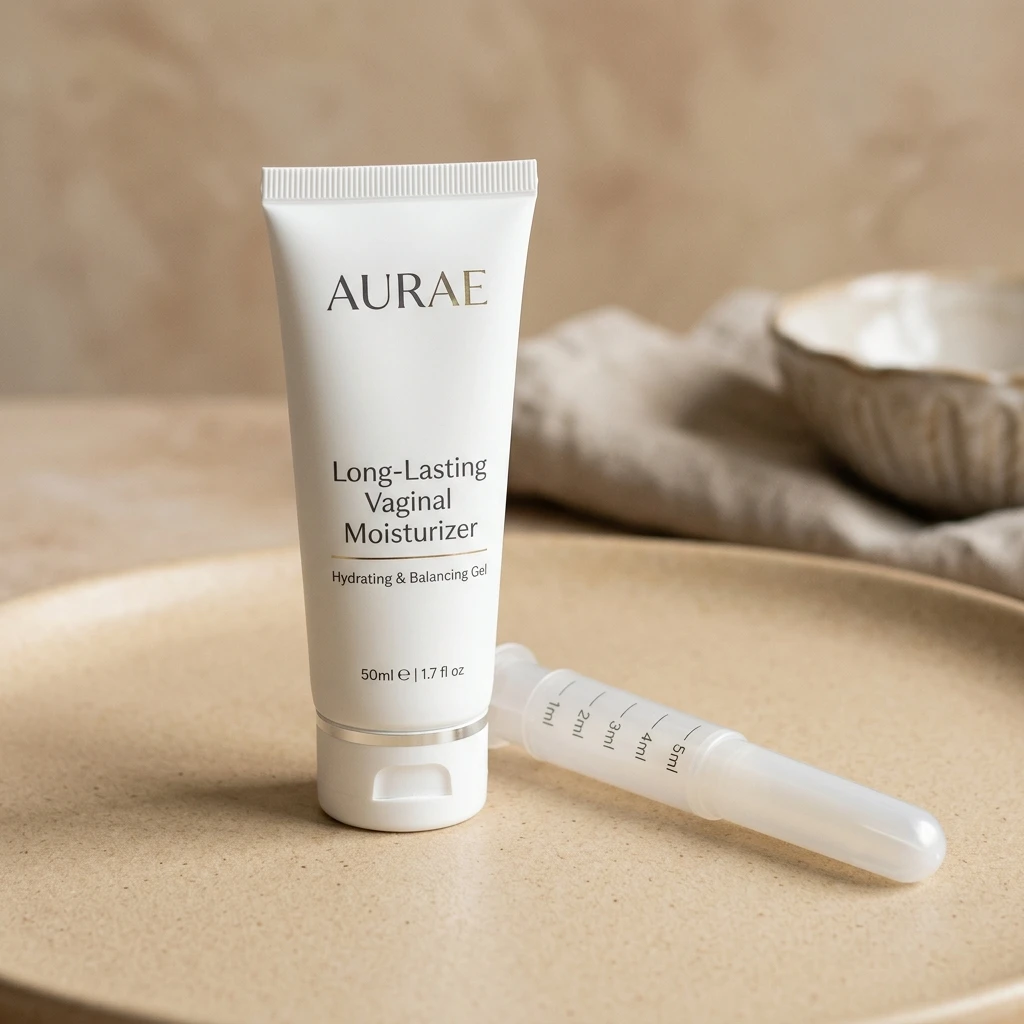
2. The Biophysics of Polycarbophil Bioadhesion
Temporary lubricants only coat the surface, drying out within minutes. Long-lasting vaginal moisturizers utilize bioadhesive polymer technology to deliver deep hydration. The key active polymer is polycarbophil, a synthetic acid-containing molecule.
Polycarbophil is highly hydrophilic, absorbing up to 60 times its weight in water. When applied to dry vaginal walls, the polymer binds to the epithelial cell membranes. This bioadhesion allows the polymer to remain in place for up to 3 days.
Once bound, polycarbophil slowly transfers water molecules directly into the dry epithelial cells. This hydration restores cell volume and elasticity, accelerating tissue repair. The hydrated cells eventually shed naturally, leaving a healthier mucosal surface.
Additionally, polycarbophil acts as a weak acid buffer. The polymer releases hydrogen ions slowly, helping lower vaginal pH back to its healthy range. A lower pH suppresses the growth of bacteria that cause vaginosis.
Using bioadhesive moisturizers avoids the need for daily applications, reducing chemical exposure. Applying every 3 days provides constant comfort without disrupting daily activities. This schedule matches the natural cellular shedding cycle of the vaginal lining.
Furthermore, bioadhesive polymers resist gravity and do not slide out like standard liquid lubricants. The gel coating stays on the vaginal walls, providing constant hydration over 72 hours. This physical stability enhances overall comfort and effectiveness.
We must point out that the binding action is entirely physical and does not rely on biological absorption. The polymer remains on the cell surface until natural desquamation occurs, preventing systemic side effects. This localized action is highly safe.
Moreover, the molecular structure of polycarbophil contains multiple carboxyl groups. These groups form hydrogen bonds with the mucin proteins present on the vaginal cell surfaces. This chemical affinity ensures that the gel layer does not wash away during urination or light exercise.
By maintaining a constant water reservoir, the polymer also reduces the shear stress experienced by the vaginal tissue. Shear stress is the friction caused by layers of tissue sliding past each other. Lowering this stress stops the raw, burning sensations common in postpartum recovery.
- Polycarbophil binds to cell membranes, creating a long-lasting hydration layer that resists rinsing.
- Hydrophilic chains transfer water molecules directly into dehydrated mucosal cells.
- Hydrogen ion release buffers vaginal pH, restoring the natural protective acid barrier.
- Slow water release lasts up to 72 hours, reducing discomfort and chemical application steps.
3. Osmolality and Tissue Hydration Balance
Osmolality represents the concentration of dissolved particles in a liquid. Natural vaginal secretions have an osmolality of 260 to 380 mOsm/kg. Many commercial moisturizers exceed 1,500 mOsm/kg due to high glycol content.
When high osmolality formulas are applied to thin, dry tissues, they pull water out of the cells through osmosis. This water loss causes cells to shrink and die, increasing irritation. Selecting a low-osmolality formula is essential to protect healing tissues.
Low-osmolality moisturizers preserve cell volume, allowing cells to absorb moisture. Clinical studies prove that iso-osmotic moisturizers cause significantly less cell damage. Premium brands design their formulas to match natural vaginal osmolality levels.
In addition, avoid products containing high amounts of glycerin, which can increase osmolality. Glycerin-free formulas ensure that cells remain balanced and hydrated naturally. Keeping the cell structure intact prevents local pain.
Choosing an iso-osmotic gel preserves the epithelial tight junctions that block pathogens. Osmotic shock damages these junctions, creating portals for bacteria to enter the deeper tissues. Lowering osmolality protects overall reproductive safety.
We should note that osmotic balance is particularly critical when the vaginal lining is recovering from delivery micro-trauma. High-osmolality formulas act like salt on a wound, producing severe stinging sensations. Using balanced formulations ensures pain-free recovery.
Furthermore, iso-osmotic solutions support the viability of healthy vaginal epithelial cells. These cells must maintain their structural shapes to produce glycogen. Sustaining natural cellular architecture supports the return of local healthy microflora.
4. Estrogen-Free Safety Profiles for Nursing Mothers
Topical estrogen creams are highly effective for vaginal dryness. However, local estrogen is absorbed through the vaginal wall into the bloodstream. For breastfeeding mothers, circulating estrogen can lower milk production.
Nursing mothers should select estrogen-free, non-hormonal vaginal moisturizers. These products deliver relief without affecting milk volume or transferring hormones to the infant. Estrogen-free formulas are the safest option during lactation.
Estrogen-free options are also ideal for individuals with hormone-sensitive conditions, such as estrogen-receptor positive breast cancer. Non-hormonal moisturizers restore tissue health without systemic risks. This safety profile ensures peace of mind during recovery.
Topical hormones can also transfer to partners during contact, causing hormonal imbalances. Estrogen-free gels avoid partner contamination completely. Using clean, non-hormonal care aligns with clinical safety guidelines.
Furthermore, hormonal creams can compromise the structural integrity of condoms and silicone tech devices. Estrogen-free, water-based formulations preserve the longevity of barrier protection. This material safety is vital for postpartum couples.
We must point out that non-hormonal moisturizers can be used alongside pelvic floor therapy without interference. They provide a pure physical barrier that does not trigger systemic feedback loops. This makes them a versatile baseline care choice.
5. Restoring Intimacy Comfort and Preventing Pain
Postpartum intimacy requires physical and emotional readiness. Severe vaginal dryness makes intimacy painful, leading to localized tissue tearing. Pain triggers muscle contractions in the pelvic floor, worsening discomfort during subsequent sessions.
Using a long-lasting vaginal moisturizer reduces friction, preventing painful tearing. Moisturizers hydrate deep tissue layers, restoring original tissue flexibility. Combining moisturizers with a water-based lubricant during intimacy ensures comfortable contact.
Communicate openly with your partner about comfort levels and take things slowly. Allow ample time for arousal, which helps increase natural lubrication. Using moisturizers regularly keeps tissues soft and ready for intimacy.
Pain during intimacy can lead to chronic vaginismus (involuntary muscle contraction). Using a bioadhesive moisturizer acts as a preventative step, keeping tissues lubricated and reducing pain triggers. Preventing pain maintains emotional and physical comfort.
In addition, painful intimacy can cause psychological hesitation, suppressing natural arousal reflexes. This suppression further decreases natural fluid production, intensifying the dryness cycle. Breaking this feedback loop early preserves relational and physical health.
Always prioritize water-soluble formulations over silicone or oil-based intimacy aids when vaginal micro-tears are suspected. Water-soluble options rinse away clean, preventing the trapping of bacteria inside healing fissures. This hygiene choice reduces overall infection risks.
6. pH-Buffer Mechanics and Vaginosis Prevention
Vaginal health depends on maintaining a highly acidic environment (pH 3.5 to 4.5). Lactobacilli bacteria convert cellular glycogen into lactic acid, maintaining this acidity. Low estrogen postpartum depletes glycogen, raising pH levels.
Higher pH allows pathogens like Gardnerella vaginalis to multiply, causing bacterial vaginosis (BV). pH-buffered moisturizers prevent this by releasing acid molecules slowly. Maintaining low pH levels keeps the vaginal microbiome balanced.
Look for moisturizers containing sorbic acid or carbomer buffers. These compounds stabilize acidity levels even when mixed with alkaline semen or postpartum discharge. Keeping the vaginal environment acidic prevents infection and discomfort.
An acidic vaginal canal also acts as a natural barrier against yeast overgrowth. Opportunistic fungi like Candida albicans struggle to multiply in highly acidic settings. Restoring acidity postpartum prevents recurrent thrush infections.
Additionally, maintaining an acidic environment supports the structural integrity of the mucosal cell wall. High pH settings trigger the breakdown of intercellular cement, accelerating tissue flaking. Buffered formulations protect this cellular structure.
We must emphasize that using non-buffered lubricants can temporarily spike vaginal pH, exposing the tissues to infections. Choosing a moisturizer that holds its pH over 72 hours blocks these pathogen windows. Consistent acidity is the foundation of vulvar defense.
7. Pelvic Floor Muscle Rehab and Gentle Exercises
Childbirth stretches and weakens the pelvic floor muscles (the levator ani). Weak pelvic floor muscles can lead to urinary incontinence and reduced sensation. Rebuilding muscle strength is a key part of postpartum recovery.
Perform gentle Kegel exercises daily to rebuild muscle tone. Contract the pelvic floor muscles (as if stopping the flow of urine) for 3 seconds, then release for 5 seconds. Repeat this cycle 10 times per session, three times daily.
Avoid straining or squeezing your abdominal or thigh muscles during Kegels. Focus the contraction purely on the pelvic floor. As muscle strength improves, extend the contraction time to 10 seconds.
Additionally, seek guidance from a pelvic floor physical therapist. They can verify that you are contracting the correct muscles and not applying downward pressure. Downward pressure can worsen pelvic organ prolapse.
Rebuilding these muscles also increases localized pelvic blood circulation. Improved blood flow accelerates tissue regeneration and supports the natural lubrication process. Strong muscles are vital for vascular health.
Furthermore, pelvic floor rehabilitation helps coordinate muscle relaxation during intimacy. Chronic tension can make penetration difficult and painful. Training the muscles to release tension enhances general pelvic comfort.
8. Nutritional Support for Vaginal Mucosal Healing
Tissue repair depends on proper nutrition and cellular hydration. Dehydration dries out the skin and mucus membranes throughout the body. Drink at least 8 to 10 glasses of water daily to support tissue moisture.
Eat foods rich in Vitamin C, Zinc, and Omega-3 fatty acids. Vitamin C supports collagen synthesis, while Omega-3s reduce inflammation and maintain cell membrane flexibility. A nutrient-dense diet accelerates mucosal healing.
Additionally, incorporate probiotics containing Lactobacillus rhamnosus and reuteri. These beneficial bacteria strains migrate from the gut to the vagina, supporting a healthy microflora. A balanced microbiome prevents local infections.
Avoid excessive sugar and processed carbohydrates. High blood sugar feeds Candida yeast, raising yeast infection risks during recovery. Healthy diet choices support natural systemic hydration and immune defense.
We should note that dietary phytoestrogens, found in flaxseeds and soy, can provide mild estrogen-like support locally. While not a replacement for medical therapy, they can help soften tissue dryness. Integrate these foods into your weekly meal planning.
Furthermore, vitamins like Vitamin E and Vitamin A support skin and mucosal cell replication. Deficiencies in these vitamins slow down the healing of postpartum perineal lacerations. Proper nutrition accelerates tissue strength recovery.
9. Selecting Safe Personal Care Products Postpartum
When choosing a postpartum moisturizer, prioritize hormone-free formulas, low osmolality, and long-lasting action. Look for products containing polycarbophil or hyaluronic acid. Avoid formulas containing parabens, glycerin, or artificial fragrances.
Hygienic applicators are crucial postpartum. Pre-filled disposable applicators prevent bacterial contamination during insertion. Choose a brand that provides individually wrapped applicators for safe, convenient use.
Proper storage of your personal care items keeps them clean and functional. Keep moisturizers in a cool, dry cabinet away from direct sunlight. Storing applicators in their foil seals prevents ambient dust contamination.
Finally, consult a doctor if you experience persistent pain, abnormal discharge, or bleeding. These signs can indicate postpartum infections that require targeted medical treatment. Prompt clinical support prevents long-term health issues.
Always check the packaging for seal integrity before using any applicator. Cracked or compromised packaging can expose the gel to bacteria. Maintaining sterile application procedures protects your healing pelvic tissues.
In addition, select moisturizers that are cleared by regulatory bodies for vaginal use. Avoid generic body lotions or diaper creams, which contain blockages that trap heat. Using verified medical-grade formulas ensures absolute safety.
Clinical Recommendation & Audit
Overcome postpartum dryness safely. Check out our recommended solution below to experience clinical-grade, estrogen-free cell hydration.
Replens Long-Lasting Vaginal Moisturizer - Clinically Proven Dryness Relief
- Estrogen-free formula restores natural vaginal moisture up to 3 days
- Polycarbophil bioadhesive polymer slowly hydrates vaginal cells
- pH-buffered to match natural vaginal acidity (3.5 to 4.5)
- Includes 8 pre-filled disposable applicators for hygienic application
Technical Specifications & Product Data
| Specification | Value / Details |
|---|---|
| Brand | Replens |
| List Price | $16.49 (USD) |
| Customer Rating | 4.5 / 5.0 (8,240 reviews) |
| ASIN / Identifier | B001E85P2E |
| Availability | In Stock (USA Region) |
| Outbound Link Compliance | Sponsored & Nofollow Enforced |
Verified Features & Performance Data
- ✓Estrogen-free formula restores natural vaginal moisture up to 3 days
- ✓Polycarbophil bioadhesive polymer slowly hydrates vaginal cells
- ✓pH-buffered to match natural vaginal acidity (3.5 to 4.5)
- ✓Includes 8 pre-filled disposable applicators for hygienic application
System Sovereignty & Engineering
Edge Computing
100% Client-side processing. Your data never leaves your browser sandbox, ensuring absolute compliance with US privacy mandates.
Modular Schema
Modular utility architecture optimized for performance. Low-latency WASM kernels provide near-native speeds for complex transformations.
Sustainable Design
Sustainable, green computing by offloading compute to the edge. Verified zero-server storage (ZSS) for professional-grade security.