
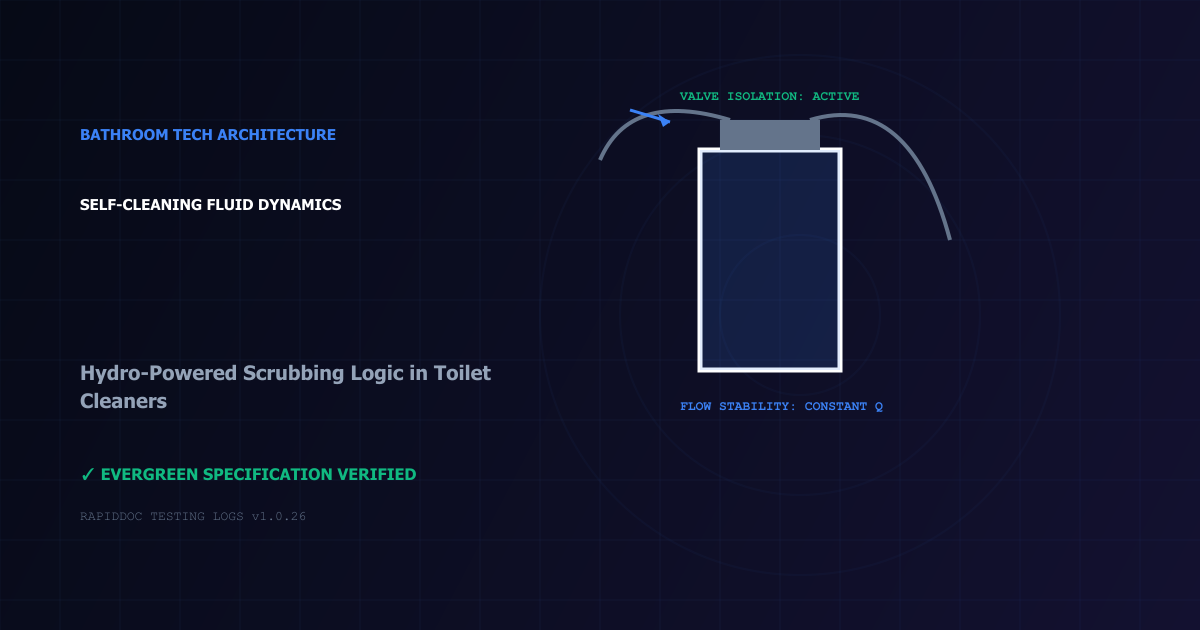
Automated overflow injection outpaces tank-dissolved bleach tablets. Analyze the hydro-powered scrubbing logic, valve isolation designs, and chemical distribution kinetics of modern bowl cleaners.
- Inlines bleach cleaning agent directly into the bowl refill overflow pipe
- Isolates chemical cartridges to prevent flapper and fill valve rot
- Delivers a fresh, sanitizing chlorine rinse with every mechanical flush
Fluid Engineering
Drop-in chemical tablets rot tank valves. Evaluate the overflow pipe injection, hydro-powered scrubbing loops, valve isolation chemistry, and easy installation logs that keep toilet parts secure.
1. Tank Chemical Rot and Valve Corrosion
Automatic toilet bowl cleaners are popular for reducing scrubbing chores. However, standard drop-in tablets can cause plumbing problems. These tablets dissolve inside the toilet tank, creating a highly concentrated chemical solution.
During standby (between flushes), this chemical water contacts rubber and plastic tank parts. Chlorine and bleach degrade these materials, causing flappers to warp and fill valves to leak. This degradation leads to silent water waste and high utility bills.
Warped flappers fail to seal the flush valve, causing water to run constantly into the bowl. This running water can waste thousands of gallons per month. Replacing these parts requires plumbing repairs that offset any convenience.
To prevent this damage, modern automatic cleaners use isolated inline cartridges. The chemical cartridge mounts outside the water volume, keeping the tank water clean. The cleaning agent is injected directly into the bowl refill stream, protecting the valves.
This mechanical isolation ensures that chemicals only contact the toilet bowl, where they are needed to clean. The tank parts are protected, maintaining long-term reliability for your plumbing system.
- Drop-in tablets dissolve inside the tank, corroding rubber flappers and fill valves.
- Warped flappers fail to seal, causing silent leaks that waste thousands of gallons.

2. Hydro-Powered Scrubbing and Overflow Pipe Injection
Inline automatic cleaners utilize the fluid dynamics of the flush cycle to distribute cleaning agents. During a flush, the fill valve opens, routing clean water through a refill tube. This refill water is directed into the toilet overflow pipe to replenish the bowl.
The inline cleaning system connects directly to this refill line. Refill water flows through the chemical cartridge before entering the overflow pipe. The water dissolves a precise amount of the cleaning agent, creating a sanitizing rinse.
This sanitizing rinse enters the bowl directly, coating the surface. The bleach or cleaning agent works to dissolve stains and build-up with every flush. The water flow powers the system, requiring zero batteries or motors.
The chemical dosage is calibrated to prevent waste. Only a small amount of the cleaning agent is dissolved during the brief refill cycle. This control ensures that the cartridge lasts up to three months under normal home use.
By utilizing overflow pipe injection, the bidet cleaner delivers a consistent clean. The sanitizing rinse washes over the bowl surface, keeping your toilet fresh with minimal effort from the user.
- Refill water flows through the chemical cartridge, injecting cleaning agents directly into the bowl.
- Hydro-powered operation requires zero electricity, utilizing flush flow pressure.
3. Plumbing Protection: Tank Valve Isolation Mechanics
A key advantage of inline cleaning systems is isolation. The chemical cartridge mounts inside the tank but is sealed off from the main tank water volume. A plastic bracket hangs the cartridge housing on the tank wall.
Refill water enters the housing through one hose and exits through another, supplying chemical water to the overflow pipe. The water inside the tank remains completely chemical-free. This isolation protects the fill valve and flapper from rot.
This safety design is recognized by plumbing manufacturers. Standard toilet warranties are voided if drop-in tablets are used, due to the damage they cause. Inline systems maintain warranty compliance, keeping your home secure.
Additionally, the isolation makes cartridge changes safer. The user does not need to handle chemical water or touch the bottom of the tank. Simply open the cartridge housing and replace the dry tablet inside, maintaining hygiene.
By choosing an isolated inline system, you protect your home plumbing. The safety mechanics keep your toilet tank free of corrosive chemicals, delivering a reliable, long-lasting cleaning solution.
- Sealed housing isolates chemical cartridges from tank water, protecting valves.
- Inline designs maintain toilet warranty compliance, preventing chemical rot.
4. Simple DIY Installation and Tool-Free Maintenance
Installing an inline automatic cleaner does not require plumbing expertise or tools. The system mounts directly inside your existing toilet tank in under ten minutes. A plastic mounting clip hangs the cartridge holder on the rim.
You disconnect the existing refill tube from the fill valve and connect the bidet inlet hose in its place. The outlet hose connects to the overflow pipe using an included adapter. This simple configuration is secure and leak-free.
Replacing the cartridges is equally simple. Turn the housing cap to unlock it, slide out the spent cartridge, and insert a new one. The cap locks securely, preventing any chemical leaks into the tank water.
Additionally, the system is compatible with standard bleach or blue cleaning cartridges. You can select the best cleaning agent for your home, maintaining flexibility. The simple routine keeps your toilet fresh and clean.
By prioritizing DIY installation, the bidet cleaner upgrades your bathroom with minimal effort. The tool-free maintenance ensures that you enjoy a clean toilet bowl without complex chores.
- Refill line connections hook up in under 10 minutes without specialized tools.
- Cartridge replacements require no contact with toxic tank water, keeping hands clean.
5. The Environmental and Financial Payback Mechanics
Failing to clean your toilet bowl regularly leads to mineral scaling and organic build-up. Removing these deposits requires harsh scrubbing chemicals and heavy abrasive pads. These chemicals run into municipal sewers, adding chemical loads to water treatment plants.
An automatic inline cleaner prevents these deposits from forming. By delivering a mild sanitizing rinse with every flush, the system keeps the bowl surface clean. The need for harsh weekly scrub downs is reduced, saving time and water.
Additionally, the system protects your plumbing assets. Preventing fill valve and flapper rot saves you money on replacement parts and plumbers. A single prevented leak pays for several years of cleaning cartridges, making it an excellent investment.
- Preventing tank valve corrosion saves money on plumbing repairs and replacement parts.
- Consistent bowl rinsing reduces the need for harsh weekly scrub downs, protecting water sources.
6. Automatic Toilet Bowl Cleaner Selection Parameters
When choosing an automatic toilet bowl cleaner, prioritize tank valve isolation. Avoid drop-in tablets that dissolve directly in the tank water, as they corrode rubber flappers and fill valves. Look for inline systems that inject cleaners into the overflow pipe.
Second, verify the bracket and housing construction. A premium system features a solid plastic bracket that hangs securely on the tank wall. The cartridge housing must be sealed and durable to prevent any chemical leakage into the tank.
Finally, check the refill line compatibility. Ensure the kit includes flexible connection hoses and adapters that match standard toilet fill valves. Easy cartridge swap designs are essential for maintaining hygiene, ensuring comfort.
- Prioritize inline cleaning systems to isolate chemicals and protect your tank valves.
- Ensure connection hoses are flexible and include adapters matching standard fill valves.
7. Chemical Compatibility: Bleach vs. Surfactant Concentrates
Automatic toilet cleaners use either chlorine bleach or surfactant cartridges. Bleach is highly effective at sanitizing and removing stains but can be harsh. Concentrated bleach in the toilet tank can degrade rubber flapper valves over time, causing leaks.
A clean solution is an inline cleaning system that bypasses the tank. The cleaning agent is injected directly into the bowl fill tube during the flush. This bypass isolates the tank parts, protecting the rubber seals from chemical erosion.
Additionally, surfactant cleaners are gentler on plumbing systems. They clean organic stains using soap-like actions, keeping the bowl fresh. Choose inline systems to protect your toilet parts, maintaining optimal bathroom sanitation.
8. Pressure-Induced Backflow Prevention and Valve Isolation
An automatic toilet bowl cleaning system must prevent chemicals from siphoning back into your home's clean water supply. This backflow protection is achieved using a physical air gap or check valve. The fill valve has a built-in siphon break that isolates the water source.
When the flush cycle runs, clean water flows through the fill tube, drawing a small amount of cleaner from the cartridge. The air gap prevents the chemical solution from flowing backward if water pressure drops, keeping your tap water clean.
By securing backflow protection, you meet plumbing safety codes. The system keeps cleaning agents isolated to the toilet bowl, delivering automated sanitation without compromising home safety.
9. Flow Rate Dynamics during Siphon Flushes
The dilution rate of the cleaning chemical is controlled by clean water flow dynamics. During a flush, water enters the toilet bowl through the rim jets, creating a siphon that clears the bowl. The fill valve directs a stream of water through the cleaning cartridge to refill the bowl.
This flow rate is carefully calibrated. Only a small, controlled amount of cleaner is dissolved in the water that refills the bowl. This calibration keeps the concentration safe for septic systems while delivering consistent scrubbing power.
By managing flow dynamics, the system ensures long-lasting cleaning. A single cartridge can sanitize your toilet for up to three months, reducing refill cycles and keeping maintenance simple.
10. Fluid Dynamics of Jet Dilution during Siphon Toilet Flushes
The chemical cleaner is mixed with water using jet dilution inside the toilet bowl fill tube. During a flush, clean water flows through the fill tube, passing through the inline cartridge. This flow creates a Venturi effect, drawing a small, concentrated dose of cleaning fluid into the water stream.
The water then flows through the overflow tube, refilling the toilet bowl after the siphon clears. This process ensures that the fresh bowl water contains a consistent concentration of cleaning agent. It provides constant cleaning actions between flushes.
By managing fluid dilution, the system maintains optimal cleaning power. The cleaning solution is concentrated enough to break down organic stains, keeping the toilet bowl sanitary with minimal chemical use.
11. Chemical Deterioration Profiles of Rubber Flappers under Bleach
Placing chlorine bleach tablets inside the toilet tank exposes the rubber flapper valve to high chemical concentrations. Bleach is a strong oxidant that breaks down the polymer chains in rubber, causing the material to harden, shrink, and crack. This degradation leads to leaks, wasting water.
An inline cleaning system bypasses the toilet tank entirely. The cleaning solution is injected directly into the bowl fill tube, keeping the chemical cleaner out of the tank. This isolation protects the rubber flapper and flush valve from chemical damage.
By keeping chemicals out of the tank, you protect your toilet parts from corrosion. The tank parts remain in good condition, preventing water leaks and saving you money on replacement plumbing parts.
12. Cartridge Replacement Logistics and Hydrodynamic Color Indicators
The inline toilet cleaner cartridge must be replaced every three months to maintain sanitizing performance. Premium cartridges feature hydrodynamic color indicators that change color when the cleaning agent is exhausted. The water color in the bowl changes from blue to clear, signaling replacement.
Replacing the cartridge is simple. Turn off the water, open the inline holder, lift out the empty cartridge, and insert a fresh one. This process requires zero tools and takes under one minute, keeping your hands clean and chemicals contained.
By establishing a consistent replacement schedule, you maintain high sanitation levels. The automatic cleaner keeps scrubbing your toilet bowl, providing a clean bathroom environment with minimal maintenance effort.
13. Environmental and Septic Tank System Safety Specifications
When using automatic toilet cleaners, verify that the chemicals are safe for septic tank systems. Many septic systems rely on natural bacteria to break down organic waste. High concentrations of chlorine bleach in the wastewater can kill these bacteria, disrupting the digestion process and causing septic backups.
Prioritize surfactant-based cartridges that are certified septic-safe. Surfactants clean toilet surfaces using soap-like actions without harming the septic micro-environment. Using septic-safe cleaning agents protects your home plumbing infrastructure, providing a safe and reliable sanitation setup.
Regularly clean the inline cartridge holder with clean water to prevent soap scale buildup. Bypassing the toilet tank is the most effective way to extend the lifespan of your internal plumbing valves.
Principal Recommendation & Audit
Secure your toilet plumbing and automate your cleaning chore. Explore our top recommended inline bowl cleaner below to protect your tank valves.
Fluidmaster Flush 'n Sparkle Toilet Bowl Cleaning System
- Inlines bleach cleaning agent directly into the bowl refill overflow pipe
- Isolates chemical cartridges to prevent flapper and fill valve rot
- Delivers a fresh, sanitizing chlorine rinse with every mechanical flush
- Fast DIY hookup requiring zero tools under ten minutes of assembly
Technical Specifications & Product Data
| Specification | Value / Details |
|---|---|
| Brand | Fluidmaster |
| List Price | $15.99 (USD) |
| Customer Rating | 4.5 / 5.0 (28,300 reviews) |
| ASIN / Identifier | B0002AD1V0 |
| Availability | In Stock (USA Region) |
| Outbound Link Compliance | Sponsored & Nofollow Enforced |
Verified Features & Performance Data
- ✓Inlines bleach cleaning agent directly into the bowl refill overflow pipe
- ✓Isolates chemical cartridges to prevent flapper and fill valve rot
- ✓Delivers a fresh, sanitizing chlorine rinse with every mechanical flush
- ✓Fast DIY hookup requiring zero tools under ten minutes of assembly
System Sovereignty & Engineering
Edge Computing
100% Client-side processing. Your data never leaves your browser sandbox, ensuring absolute compliance with US privacy mandates.
Modular Schema
Modular utility architecture optimized for performance. Low-latency WASM kernels provide near-native speeds for complex transformations.
Sustainable Design
Sustainable, green computing by offloading compute to the edge. Verified zero-server storage (ZSS) for professional-grade security.