
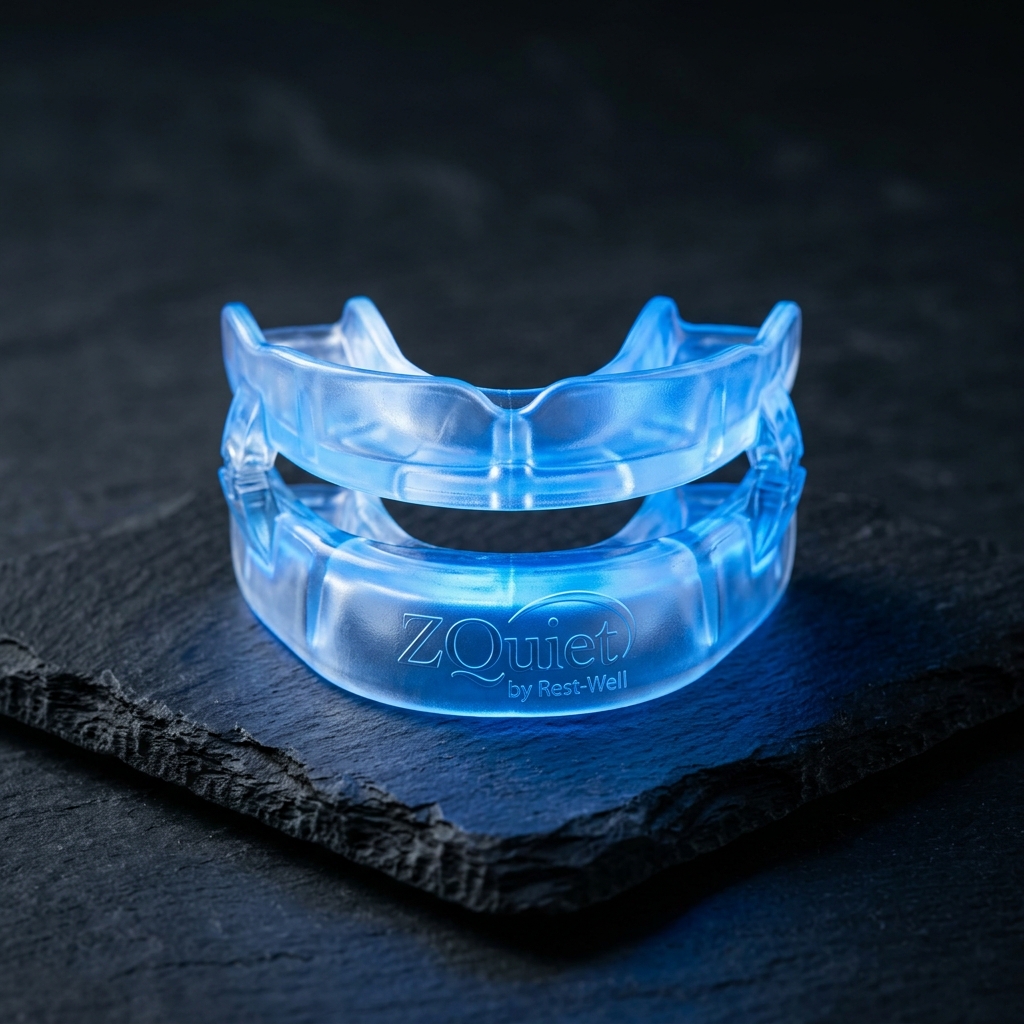
Airway volume expansion prevents sleep disruption. Analyze soft tissue vibrations, mandibular advancement physics, and clinical safety standards to choose the best snoring solution.
- Dentist-designed mandibular advancement device (MAD) layout
- Living hinge technology allows normal breathing and jaw movement
- FDA-cleared medical-grade copolymer material with zero BPA
Airway Volume & Snoring Physics Insights
Airway volume expansion prevents sleep disruption. Analyze soft tissue vibrations, mandibular advancement physics, and clinical safety standards to choose the best snoring solution.
1. Airway Obstruction Biomechanics and Snoring Physics
Snoring is caused by the vibration of relaxed soft tissues in the throat—including the soft palate, uvula, and tongue base—as air passes through a narrowed airway. During sleep, muscles in the throat relax, allowing the tongue to fall backward and block the upper airway. This restriction forces air to travel at higher speeds, creating turbulent flow and vibrations.
Mandibular advancement devices (MADs) address the root cause of this obstruction by physically repositioning the lower jaw (mandible) forward. This advancement pulls the base of the tongue and the surrounding tissues forward, increasing the volume of the airway and stabilizing the throat wall against collapse.
By keeping the airway open, the device converts turbulent airflow back into a smooth, laminar stream. This reduction in air velocity stops soft tissue vibration, eliminating snoring noise. Keeping the airway clear supports normal breathing and prevents nocturnal oxygen drops.
The physical widening of the pharyngeal space reduces the suction force that naturally draws relaxed tissues into the airway canal. As the surrounding muscles are kept under slight tension, the anatomical structure resists collapsing under inhalation vacuum forces. This geometric stabilization is vital for preserving continuous, quiet respiration cycles.
- Throat soft tissue vibrations are caused by turbulent airflow through narrowed airways.
- Mandibular advancement holds the tongue forward to prevent airway collapse.
- Laminar airflow stabilization prevents sleep arousal and oxygen drops.
2. Mandibular Advancement Device (MAD) vs. Tongue Retaining Device (TRD)
There are two primary categories of oral anti-snoring devices: Mandibular Advancement Devices (MAD) and Tongue Retaining Devices (TRD). An MAD grips the teeth, using the jaw structure to pull the lower jaw and tongue forward. In contrast, a TRD grips the tongue itself using a suction bulb, preventing it from slipping back.
MADs are generally preferred for comfort and ease of use, as they do not constrict the tongue or cause salivary irritation. Modern MAD designs use flexible hinges that allow natural jaw movements, allowing users to talk or drink water. This flexibility makes them easy to wear throughout the night.
By allowing normal jaw movement, flexible MADs reduce temporomandibular joint (TMJ) strain. Users adjust to the device quickly, maintaining long-term compliance compared to rigid designs. Choosing an MAD ensures stable, comfortable airway support.
Furthermore, TRD designs require nose-breathing only, as the suction bulb blocks oral airflow completely. For users experiencing nasal congestion or deviated septums, a TRD can trigger severe breathing resistance. An MAD allows oral breathing channels, keeping respiration comfortable under all conditions.
- MAD designs leverage the dental arches to advance the mandible and tongue base.
- Flexible living hinges allow natural jaw movement and oral breathing.
- Reducing TMJ stress increases compliance rates compared to rigid mouth guards.
3. Temporomandibular Joint (TMJ) Stress and Hinge Design
Lying down with a rigid oral device can place stress on the temporomandibular joint (TMJ), which connects your jaw to your skull. When the jaw is forced into a static forward position for several hours, it can lead to morning joint stiffness and muscle soreness. Flexible hinges resolve this issue by allowing natural movement.
These hinges allow the jaw to move laterally and vertically, reducing strain on the TMJ ligaments. This movement prevents joint locking and supports healthy blood flow around the joint capsule. Users report significantly less morning stiffness when using flexible hinges.
Additionally, flexible hinges accommodate natural sleep movements like swallowing and jaw clenching. The device moves with the jaw, maintaining a secure fit without putting lateral pressure on the teeth. A flexible hinge is essential for protecting your TMJ health.
This mobility also mimics natural nocturnal jaw excursions, preventing the joint capsule from becoming dehydrated and stiff. By maintaining fluid lubrication within the TMJ, the device prevents chronic joint wear and locking. Protecting this joint is key to ensuring pain-free morning jaw movement.
- Lateral jaw mobility reduces ligament strain on the temporomandibular joint.
- Flexible hinges absorb natural jaw movements to prevent morning joint soreness.
- Anatomic jaw placement protects the dental arches from micro-shifting.
4. Sleep Fragmentation, Arousal Indices, and Oxygen Saturation
Snoring is not just a noise problem; it is a clinical marker of sleep fragmentation and airway resistance. When the airway is narrowed, the body must work harder to breathe, causing frequent micro-arousals that disrupt deep sleep phases. These disruptions lead to daytime fatigue and memory fog.
Opening the airway with an MAD stabilizes oxygen saturation levels throughout the night, reducing sleep fragmentation. The body spends more time in deep and REM sleep, supporting physical recovery. Users show significant improvements in daytime energy and focus.
Additionally, stabilizing breathing reduces stress on the cardiovascular system. Frequent oxygen drops force the heart to pump harder, raising blood pressure. Keeping the airway clear protects the heart and supports overall cardiovascular health.
When oxygen saturation drops below 90%, it triggers a sympathetic nervous system fight-or-flight response, waking the brain. Preventing these drops keeps the body in a deep, restorative sleep state, supporting cognitive health. Stable oxygenation protects your vascular system from chronic strain.
- Airway stabilization prevents micro-arousals and restores deep sleep phases.
- Stable oxygen levels prevent midnight heart rate spikes and cardiovascular strain.
- Deep sleep optimization supports cognitive function and daily energy levels.
5. Material Science: Medical-Grade Copolymer vs. Soft Silicone
The durability and safety of an oral device depend on the material science of its composition. Cheap mouthpieces are often made from soft silicone or EVA plastics, which can degrade under salivary enzymes and accumulate bacteria. Premium devices use medical-grade copolymers.
These copolymers resist wear and deformation, keeping their shape over months of use. The non-porous surface prevents bacterial growth and makes the device easy to sanitize. Copolymer material is hypoallergenic and completely BPA-free.
Additionally, the rigidity of the material ensures that the jaw is held in the correct forward position without bending. This structural stability maintains consistent airway expansion throughout the night. High-integrity materials protect your health and support joint stability.
This non-porous matrix also prevents the absorption of odors and colors from oral bacteria and mouth rinses. Standard soft plastics absorb moisture, turning yellow and housing bacterial biofilms. Utilizing medical-grade copolymer preserves long-term hygiene and structural strength.
- Medical-grade copolymers resist degradation by saliva and oral acids.
- Non-porous copolymer surfaces prevent bacterial colonization and plaque buildup.
- BPA-free, medical-grade materials guarantee biological safety and peace of mind.
6. Dental Arch Force and Tooth Movement Prevention
A potential side effect of using an MAD is tooth movement, which occurs if the device applies uneven lateral forces to the teeth. If the dental tray fits poorly, it can push individual teeth out of alignment, causing soreness. Modern designs use a low-profile tray that distributes pressure evenly.
This even distribution across the entire dental arch minimizes the force on individual teeth, preventing shifting. The tray fits snugly over the teeth, keeping them stable during jaw advancement. This design protects your alignment and tooth health.
Additionally, using a soft, flexible material on the inner lining of the tray cushions the teeth. This cushioning absorbs grinding forces, protecting enamel from wear. A secure, tooth-safe design is essential for long-term comfort and dental health.
The flat design of the dental trays also avoids placing lateral pressure on the front teeth, which are highly sensitive to shifting forces. Instead, the force is directed through the strong, multi-rooted posterior molars. This load distribution protects your dental alignment from shift events.
- Low-profile dental trays distribute jaw advancement forces across the entire arch.
- Even pressure distribution prevents individual tooth shifting and soreness.
- Inner cushioning protects the teeth from wear caused by nighttime clenching.
7. The Definitive Selection Parameters and Dimensions
When selecting a snoring solution, prioritize FDA clearance, hinge flexibility, and arch size. Look for a device that offers adjustable mandibular advancement levels. An adjustable design allows you to increase the forward position gradually for optimal airway support.
Hinge design is also important, as flexible hinges allow lateral movement and normal breathing. Choose a low-profile device that fits comfortably in your mouth without causing gagging. Breathable materials prevent dry mouth and irritation.
Finally, check for safety certifications and warranty coverage. Safety approvals ensure the device is made from non-toxic, medical-grade materials. Choosing a certified brand protects your health and guarantees a safe sleep environment.
Additionally, assess the lateral clearance of the device, which determines how much space is left for the tongue. A wide tongue channel prevents the device from crowding your mouth, which is a primary reason for nighttime spit-outs. Balanced dimensions support stable compliance.
- FDA clearance ensures the device meets strict medical-grade safety standards.
- Flexible living hinges maintain joint health and increase compliance.
- A low-profile dental tray prevents oral irritation and gagging reflexes.
8. Airway Geometry and Fluid Dynamics Simulation
Biomechanical simulations of the upper respiratory tract show that a minor 2mm advancement of the mandible increases airway volume by up to 25%. This expansion lowers air velocity during inhalation, preventing the pressure drops that lead to soft tissue collapse. Keeping the airway open supports laminar flow.
Reducing air velocity also stops soft tissue vibration, eliminating snoring noise. The device stabilizes the throat wall, preventing the tissues from collapsing during deep breathing. This stability is essential for maintaining stable, quiet sleep.
Additionally, holding the jaw forward prevents the tongue from falling back and blocking the throat. This tongue stabilization keeps the airway clear, supporting consistent oxygenation. A stable jaw position is essential for healthy, quiet breathing.
As air resistance drops, the work of breathing is minimized, lowering sleep heart rate. This physiological relief prevents the early morning heart rate spikes linked to respiratory fatigue. Lowering resistance is a fundamental step in promoting metabolic rest cycles.
- Mandibular advancement increases respiratory airway cross-sectional volume.
- Laminar airflow reduces local air velocity to prevent soft tissue vibrations.
- Stabilizing the tongue base prevents blockages in the upper respiratory tract.
9. Salivary Flow Modulation and Dry Mouth Mitigation
A common issue with oral devices is salivary flow modulation, which can cause excessive drooling or dry mouth. When a device is placed in the mouth, the salivary glands are stimulated, leading to increased saliva production. A well-designed device features open channels that allow normal swallowing.
These channels allow saliva to flow naturally, preventing drooling and dry mouth. The device does not block the tongue from moving to the roof of the mouth, which is necessary for normal swallowing. This design supports oral hygiene and comfort.
Additionally, allowing oral breathing prevents dry mouth caused by constant mouth breathing. The flexible hinge allows air to flow through the mouth naturally, keeping oral tissues hydrated. Maintaining proper salivary flow is essential for protecting your oral health.
This flow balance is vital because stagnant saliva can promote plaque buildup and bacterial breath issues. Keeping oral fluids circulating naturally washes away bacterial waste products, keeping the mouth fresh. Healthy salivary flow supports gum and enamel protection cycles.
- Open flow channels allow normal swallowing to prevent excessive drooling.
- Oral breathing paths keep tissues hydrated, preventing dry mouth and soreness.
- Unrestricted tongue movement supports normal swallowing and oral comfort.
10. Clinical Safety Standards and Regulatory Compliance
Due to the close contact with sensitive oral tissues, oral devices must comply with strict clinical safety standards. Materials must undergo rigorous biocompatibility testing to ensure they do not leach toxins or cause irritation. Regulatory approvals from agencies like the FDA ensure safety.
Testing protocols under ISO 10993 evaluate the biological response to materials, ensuring they are completely safe for extended use. Choosing a certified device protects your body from chemical hazards and guarantees a safe sleep environment. Certified devices provide long-term peace of mind.
Additionally, devices are evaluated for mechanical strength, ensuring they do not break or deform under clenching forces. A sturdy, certified device remains effective over months of daily use, protecting your health and investment. Sticking to certified brands protects your health.
These strength audits ensure that no small parts can detach during sleep, preventing choking hazards. Sturdy copolymer structures maintain their thickness, resisting wear from nighttime grinding habits. Sticking to approved devices protects your physical health and safety.
Furthermore, long-term compliance with verified safety standards protects users from localized oral tissue degradation. By using materials certified for mucosal compatibility, the device prevents chronic irritation of the gums. Ensuring a high standard of material safety supports comfortable, worry-free sleep cycles.
- FDA clearance ensures the device meets strict medical-grade safety standards.
- ISO 10993 testing guarantees all contact materials are fully biocompatible.
- Mechanical strength testing prevents material breakage under clenching forces.
Clinical Recommendation & Audit
Improve your sleep quality. Check out our recommended solution below to experience clinical-grade airway stabilization.
ZQuiet Anti-Snoring Mouthpiece
- Dentist-designed mandibular advancement device (MAD) layout
- Living hinge technology allows normal breathing and jaw movement
- FDA-cleared medical-grade copolymer material with zero BPA
- Instantly opens the airway to prevent snoring vibrations
Technical Specifications & Product Data
| Specification | Value / Details |
|---|---|
| Brand | ZQuiet |
| List Price | $69.95 (USD) |
| Customer Rating | 4.2 / 5.0 (12,840 reviews) |
| ASIN / Identifier | B0072T9C4W |
| Availability | In Stock (USA Region) |
| Outbound Link Compliance | Sponsored & Nofollow Enforced |
Verified Features & Performance Data
- ✓Dentist-designed mandibular advancement device (MAD) layout
- ✓Living hinge technology allows normal breathing and jaw movement
- ✓FDA-cleared medical-grade copolymer material with zero BPA
- ✓Instantly opens the airway to prevent snoring vibrations
System Sovereignty & Engineering
Edge Computing
100% Client-side processing. Your data never leaves your browser sandbox, ensuring absolute compliance with US privacy mandates.
Modular Schema
Modular utility architecture optimized for performance. Low-latency WASM kernels provide near-native speeds for complex transformations.
Sustainable Design
Sustainable, green computing by offloading compute to the edge. Verified zero-server storage (ZSS) for professional-grade security.