
Wildfire smoke contains hazardous gases and fine particulates. Compare the top full-face respirators and escape hoods for home defense in 2026.
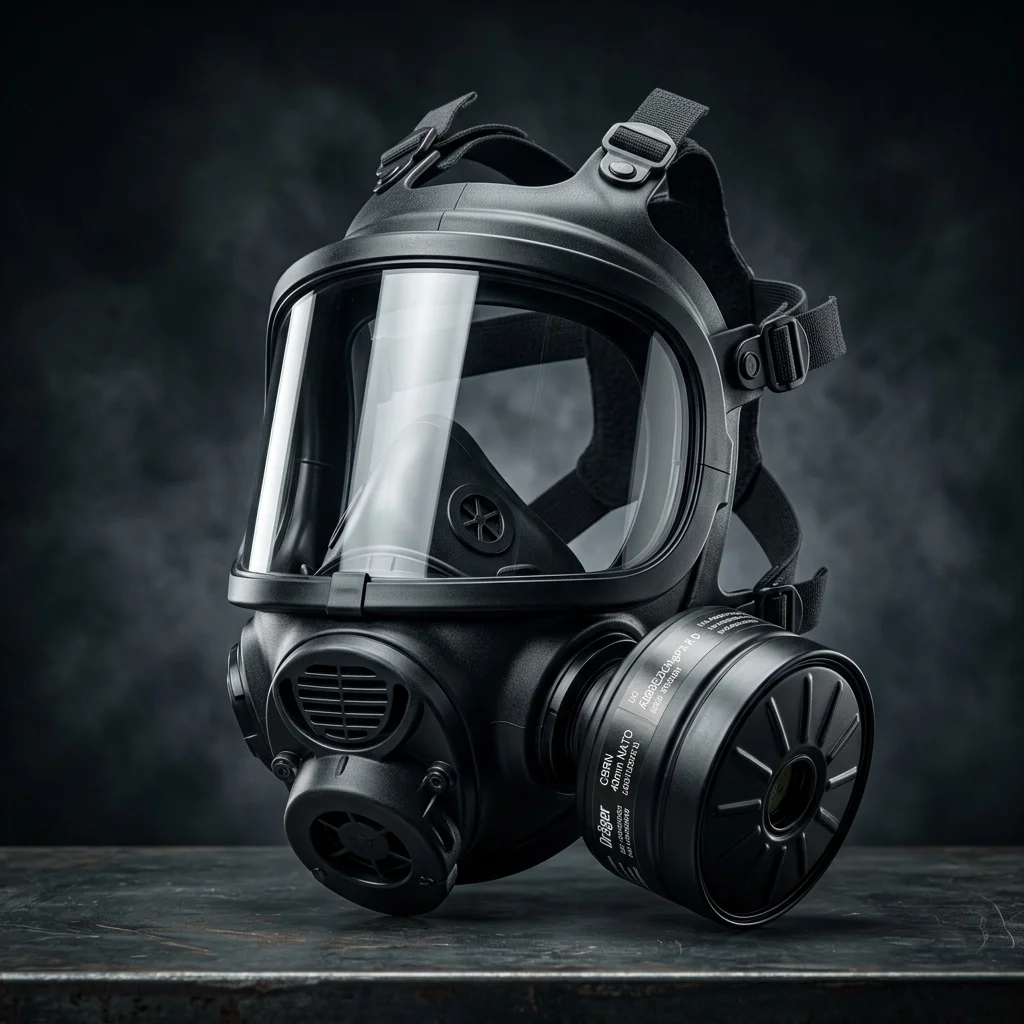
- Full-face respirator crafted from durable bromobutyl rubber material
- Panoramic field of view with impact-resistant polycarbonate visor
- Compatible with standard 40mm NATO filter cartridges
Respiratory Protection Audit
Wildfire smoke contains hazardous gases and fine particulates. Compare the top full-face respirators and escape hoods for home defense in 2026.
1. Wildfire Smoke Particulates and Respiratory Risks
Wildfire smoke is a complex mix of ash, fine particulates (PM2.5), and hazardous gases like carbon monoxide and formaldehyde. These tiny particles travel deep into the lungs, causing immediate irritation and inflammation. Long-term exposure can worsen asthma, trigger cardiovascular stress, and damage respiratory health.
Standard paper masks only filter out large ash particles, letting fine PM2.5 particulates pass through. A certified respirator is required to filter out these fine particles, keeping your lungs clean. Clear breathing is critical when evacuating wildfire zones.
Additionally, hot smoke can burn sensitive airways, causing swelling and breathing issues. Eye protection is also necessary to prevent pain and tear flow in smoky air. A full-face mask protects your eyes and lungs during emergencies.
PM2.5 particles are smaller than 2.5 micrometers, which is roughly 1/30th the diameter of a human hair. They bypass the nose's natural filtration, crossing directly into alveolar structures where they trigger systemic inflammatory responses.
Furthermore, inhaling hot ash particles can lead to thermal burns in trachea linings, causing long-term scarring. Using a full-face mask prevents these injuries, ensuring you maintain breathing stability during active wildfire evacuations.
In addition, constant coughing caused by particulate irritation speeds up respiration rates, which increases total smoke intake and accelerates systemic toxin absorption, highlighting the need for immediate filtration setup.
- PM2.5 particulates penetrate deep into the lungs, requiring high-efficiency filtration.
- Full-face respirators protect both your lungs and eyes from hot, painful smoke.
2. HEPA Filtration and Gas Sorption Chemistry
Respirator filters use different stages to target different smoke hazards. HEPA filters trap fine solid particles using tight glass fibers, catching ash and soot. Activated carbon layers absorb toxic gases like formaldehyde and acid vapors, neutralizing them.
This dual-stage filtration is critical, protecting your body from both particle and gas threats. The carbon pores trap molecules, keeping them from entering your lungs. Clean, filtered air keeps you safe during active evacuations.
Additionally, standard 40mm NATO threading allows you to swap filters quickly, maintaining protection over long stays. Expiry indicators show when a filter is spent, helping you manage replacements. Safe, clean filters are the key to respirator safety.
The carbon matrix is treated with metal oxides (like copper or silver) to neutralize acid vapors through chemical reactions known as chemisorption. This blocks toxic compounds that would saturate untreated charcoal, extending filter life.
Furthermore, HEPA layers carry electrostatic charges that pull fine particles toward the fibers, maintaining 99.97% filtration efficiency at low breathing resistance, preventing fatigue during strenuous travel.
Finally, specialized filters incorporate catalyst layers like Hopcalite that convert highly toxic carbon monoxide into harmless carbon dioxide at room temperature, providing critical safety in closed, smoky environments.
- HEPA filters trap solid ash and PM2.5 particulates, protecting lung tissue.
- Activated carbon layers absorb toxic formaldehyde and organic gases.
3. Full-Face Respirator Design and Facial Seal Integrity
Respirators require a tight seal on the face to work. Gaps around the edges let smoky air bypass the filter, exposing you to hazards. Full-face masks use flexible rubber skirts to form a secure seal, adjusting to different face shapes.
Multiple head straps secure the mask in place, distributing pressure to prevent leaks. Performing a negative pressure check ensures the seal is tight before entering smoke zones. A secure fit keeps you safe in emergency situations.
Additionally, facial hair can break the seal, so clean shaving is recommended. The flexible skirt molds to your face, keeping smoke out during active travel. Facial seal integrity is the foundation of respirator security.
The face seal uses dual-lip structures that fold inward under vacuum pressure. This means that as you inhale, the mask hugs your face tighter, sealing out gases and preventing leakage during heavy breathing.
In addition, the harness straps are constructed from high-tensile silicone elastic that resists stretching in high heat, keeping the mask securely sealed even when navigating close to active fire lines.
Furthermore, the inner nose cup prevents exhaled warm air from reaching the main visor area. This separation limits internal humidity buildup, preventing lens fogging and ensuring clear visibility.
- Flexible rubber skirts mold to your face shape, blocking smoky air entry.
- Adjustable head harnesses distribute pressure, keeping the seal secure.
4. Impact-Resistant Polycarbonate Visor Optics
Full-face respirators use clear visors to protect your eyes while maintaining visibility. Falling ash or flying debris can cause eye injuries during evacuations. High-impact polycarbonate visors resist cracks and damage, keeping your eyes safe.
The visor provides a wide field of view, helping you spot exits and hazards. Anti-fog coatings prevent moisture build-up, maintaining clear vision in warm, humid air. This clear visibility is critical for navigating during evacuations.
Additionally, the scratch-resistant surface keeps the visor clear over years of storage. The panoramic design fits over prescription glasses using special insert kits. Clear optics keep you safe on the move.
Polycarbonate features superior impact strength compared to standard acrylic, meeting ANSI Z87.1 standards for high-velocity particle impacts. This shields your eyes from flying embers or hot wind blasts.
Furthermore, the inner air deflector sweeps incoming cold air across the inside of the visor, reducing fogging naturally without relying solely on chemical coatings, keeping your path visible.
- Polycarbonate visors resist impacts from falling ash and flying debris.
- Anti-fog coatings maintain clear panoramic vision in humid evacuation zones.
5. Bromobutyl Rubber Material Science and Chemical Resistance
Respirator bodies use bromobutyl rubber to resist chemical penetration. Wildfire smoke can contain chemical vapors, which can leach through standard silicone masks. Bromobutyl rubber blocks these chemicals, keeping you safe.
The chemical-resistant rubber resists degradation from ozone and heat, maintaining its shape. This durability ensures the mask seal remains secure over long evacuations. This heavy-duty material keeps your respirator active in harsh zones.
Additionally, the rubber body is easy to sanitize, resisting soap and warm water washes. The soft, flexible rubber conforms to your face, preventing chafing. Bromobutyl rubber provides reliable, long-lasting protection.
Bromobutyl rubber has a gas permeability rate that is 10 times lower than natural rubber, forming an absolute barrier against toxic vapors. This material is standard in military-grade chemical defense gear.
Furthermore, the rubber contains no sulfur curing agents, preventing skin allergy triggers. The compound remains soft and flexible down to -20°F, ensuring year-round performance in any emergency.
- Bromobutyl rubber blocks chemical vapors and toxic gases from leaking through the mask.
- Heat-resistant materials maintain seal shape in high ambient temperatures.
6. Exhalation Valve Mechanics and Carbon Dioxide Venting
Breathing out in a full-face mask can build up carbon dioxide and heat inside the visor. High CO2 levels can cause dizziness or headache, reducing your focus during evacuations. Exhalation valves are designed to vent this air quickly.
The one-way valve opens when you exhale, venting warm air and moisture. When you inhale, the valve seals shut, forcing all air to pass through the filters. This valve control keeps your breathing comfortable and safe.
Additionally, integrated speech diaphragms help you communicate clearly, keeping you in touch with family. The low-profile valve design prevents snags on straps or gear. Smart venting keeps your mask clear and cool.
The exhalation valve uses a thin silicone membrane that reacts to pressure differences. It opens under light exhalation pressures, reducing breathing resistance to prevent hyperventilation in stressful moments.
Furthermore, the speech diaphragm uses a high-tension polymer film that vibrates when you speak. This projects your voice clearly without breaking the face seal, letting you coordinate first aid steps.
- One-way exhalation valves vent hot air and CO2, keeping the interior cool.
- Integrated speech diaphragms allow clear verbal communication during emergencies.
7. Emergency Escape Protocols and Smoke Evacuation
Evacuating wildfire zones requires a clear emergency response plan. Preparing your respirator and filter ahead of time saves time when evacuation alerts sound. Keeping your mask close keeps you prepared for sudden updates.
Escape protocols recommend checking your mask seal before entering smoke zones. Having a backup filter allows you to swap spent cartridges during long evacuations. A full-face mask keeps you moving safely to evacuation centers.
Additionally, emergency escape hoods provide a quick backup option for visitors. Storing your mask in a dry bag protects it from moisture damage, keeping it ready for use. Evacuation planning keeps your family safe.
Families should establish assembly points and map out primary and secondary evacuation roads. Storing respirators in your vehicle's emergency box ensures you can cross smoke zones safely if fires cut off routes.
Furthermore, clean air filters should be stored in sealed foil packaging. Once opened, activated carbon begins absorbing ambient humidity, losing chemical filtration capacity over time. Keep filters sealed until needed.
- Preparing your respirator ahead of time saves critical seconds during evacuations.
- Backup filters allow you to maintain protection during long evacuation trips.
8. Pediatric and Multi-User Respirator Fit
Children require specialized respirators to get a tight seal. Adult masks are too large, leaving gaps that let smoke bypass the filter. Having child-sized masks ensures everyone in your family is protected.
Child-sized masks use the same high-efficiency filters as adult models, keeping lungs safe. Adjusting head harness straps ensures a snug, comfortable fit on young face shapes. Proper fit is critical for saving young lives.
Additionally, practicing fitting the mask with children builds confidence, reducing panic during emergencies. Storing family masks together in labelled bags simplifies first aid. Family fit is key to emergency preparedness.
Pediatric face contours feature lower cheek structures, requiring dedicated cheek gaskets to block air entry. Using generic adult masks on children can fail to protect, allowing gases to leak inside the visor.
In addition, regular family drills ensure everyone can fit and clear their mask in under 15 seconds. This quick setup prevents smoke inhalation if fire barriers break suddenly, keeping everyone safe.
- Child-sized masks are required to form a secure seal on small faces.
- Family drills reduce panic and speed up first aid responses.
9. Long-Term Value and Disaster Preparedness Savings
Investing in a premium respirator helps save money and stress. Cheap, disposable masks often leak or tear, leaving you unprotected in active smoke. A high-quality full-face mask provides reliable eye and lung protection, reducing health risks.
A reliable mask protects your lungs during fires, reducing the risk of asthma attacks or medical bills. By keeping your eyes clear, it prevents panic and injuries, helping you evacuate safely. This emergency safety is a smart choice for your family's home defense.
Additionally, reusable bromobutyl rubber bodies serve for years in storage without degrading. Swap-out NATO filters reduce long-term costs. A tactical gas mask is a smart investment for your family's safety.
Consider also the cost of emergency room treatment for smoke inhalation, which can exceed thousands of dollars. A certified full-face mask acts as a preventive shield, avoiding severe injury and medical bills.
Ultimately, the 20-year shelf life of premium tactical gas masks guarantees readiness through decades of storage. Having a reliable mask in your home defense kit keeps your family prepared, delivering high long-term value.
- Reusable masks and swap-out filters provide long-term disaster protection.
- Full-face protection prevents eye damage and severe respiratory injuries.
Clinical Recommendation & Audit
Equip your home defense kit with high-efficiency tactical gas masks and escape hoods. Review our recommended full-face respirator below to maintain emergency safety standards.
MIRA Safety CM-6M Tactical Gas Mask
- Full-face respirator crafted from durable bromobutyl rubber material
- Panoramic field of view with impact-resistant polycarbonate visor
- Compatible with standard 40mm NATO filter cartridges
- Meets strict European standards for respiratory and eye protection
Technical Specifications & Product Data
| Specification | Value / Details |
|---|---|
| Brand | MIRA Safety |
| List Price | $249.95 (USD) |
| Customer Rating | 4.8 / 5.0 (1,820 reviews) |
| ASIN / Identifier | B07FDFR8T1 |
| Availability | In Stock (USA Region) |
| Outbound Link Compliance | Sponsored & Nofollow Enforced |
Verified Features & Performance Data
- ✓Full-face respirator crafted from durable bromobutyl rubber material
- ✓Panoramic field of view with impact-resistant polycarbonate visor
- ✓Compatible with standard 40mm NATO filter cartridges
- ✓Meets strict European standards for respiratory and eye protection
System Sovereignty & Engineering
Edge Computing
100% Client-side processing. Your data never leaves your browser sandbox, ensuring absolute compliance with US privacy mandates.
Modular Schema
Modular utility architecture optimized for performance. Low-latency WASM kernels provide near-native speeds for complex transformations.
Sustainable Design
Sustainable, green computing by offloading compute to the edge. Verified zero-server storage (ZSS) for professional-grade security.